
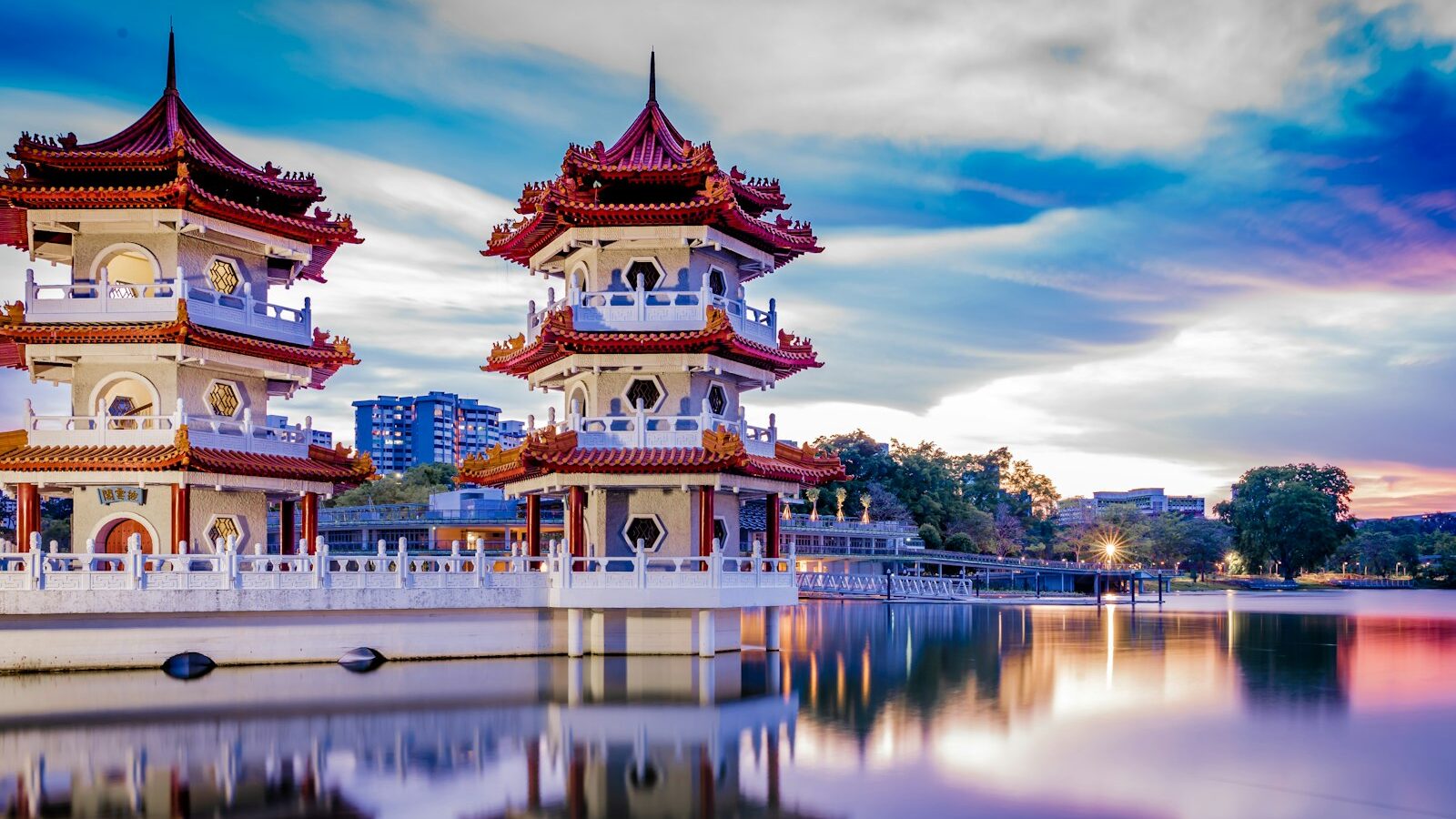
Moving to a new country can loosen the everyday rhythms that once held your week together, and for many mainland newcomers, faith or a familiar community space is one of the first things they look to rebuild. The good news is that the range of Chinese churches temples Singapore supports is broad, welcoming, and often Mandarin-friendly. Whether you grew up going to a Buddhist temple during festivals, attended a house church back home, or are simply curious about the spiritual life around you, there is very likely a community here where you can feel at ease in your own language.
This guide explains the main kinds of faith communities you will encounter, how to find one that fits, and what to expect as a newcomer. It is written to help you settle in socially and spiritually, not to promote any particular belief.
Understanding Singapore’s Religious Landscape
Singapore is one of the most religiously diverse societies in the world, and that diversity is protected and treated with care. People of many faiths live side by side, and public respect for religious difference is a strong social norm. For a newcomer, this means you will find established, well-run places of worship across many traditions, and you will also find a culture that expects everyone to be considerate of others’ beliefs.
For mainland Chinese newcomers specifically, the most relevant communities tend to be:
- Mandarin-speaking Christian churches, spanning Protestant and Catholic traditions, many with dedicated Mandarin services.
- Chinese Buddhist temples, some very large and historic, offering chanting, meditation, festival observances, and Dharma classes.
- Taoist temples, often tied to folk practices, deity worship, and traditional festivals familiar from home.
- Community and cultural spaces attached to these places, where language, food, and friendship matter as much as doctrine.
You do not need to commit to anything to attend. Most communities are used to visitors quietly observing before deciding whether to return.
Chinese Churches and Mandarin Christian Services
Christianity has a long presence in Singapore, and many congregations run services in Mandarin alongside English and other languages. Larger churches often have a distinct Mandarin ministry with its own worship, small groups, and pastoral team, which can feel like a soft landing if your English is still developing. Catholic parishes in Singapore likewise serve Mandarin-speaking parishioners, and some hold Mass or devotions in Mandarin.
As a newcomer, look for a few practical things:
- Service language and times. Confirm whether there is a genuine Mandarin service or only occasional translation.
- Small groups or cell groups. These midweek gatherings, often in homes, are where real friendships form and where newcomers get help with everyday life.
- Newcomer or integration ministries. Some churches specifically welcome new arrivals from China and understand the adjustment involved.
You are free to attend, ask questions, and take your time. There is no obligation to give money, sign up for anything, or convert. If something feels pressured, it is completely reasonable to step back and try elsewhere.
Buddhist and Taoist Temples
For many mainland newcomers, a temple visit is less about weekly attendance and more about familiar ritual: lighting incense, paying respects, marking festivals, and finding a moment of calm. Singapore has major Chinese Buddhist temples that are architecturally beautiful and open to visitors, along with neighbourhood Taoist temples devoted to popular deities. Around festivals such as Chinese New Year, Qingming, and the seventh-month observances, these become vibrant community centres.
What you can generally expect:
- Open access. Most temples welcome respectful visitors during opening hours; you can observe quietly without participating.
- Classes and activities. Larger Buddhist temples may offer meditation sessions, Dharma talks, chanting groups, and vegetarian meals, sometimes in Mandarin.
- Festival life. Temples are wonderful places to reconnect with the seasonal rhythms you knew back home.
A few points of etiquette help you feel confident: dress modestly, follow the lead of regulars, ask before photographing, and keep your voice low. Staff and volunteers are usually happy to guide newcomers.
Comparing the Main Options for Newcomers
Every community is different, but this overview can help you decide where to start looking.
| Aspect | Mandarin Christian Church | Chinese Buddhist Temple | Taoist / Folk Temple |
|---|---|---|---|
| Typical rhythm | Weekly services and midweek groups | Flexible visits plus classes and festivals | Visits centred on festivals and deity days |
| Mandarin support | Often strong, dedicated ministries | Common at larger temples | Varies; local dialects may feature |
| Social element | Cell groups, meals, newcomer support | Volunteer groups, classes, shared meals | Festival gatherings, community events |
| Good if you want | Regular fellowship and pastoral care | Meditation, teaching, quiet reflection | Familiar ritual and seasonal tradition |
| Commitment expected | Low to attend; more if you join | Low; participate as you wish | Low; come and go freely |
Use this as a starting map, not a rulebook. Many newcomers try several places before settling.
How to Find and Approach a Community
Finding the right place is often easier than newcomers fear. A few reliable routes:
- Ask people you already know. Colleagues, classmates, neighbours, and newcomer contacts frequently know a Mandarin service or temple nearby.
- Search online and check service languages. Confirm Mandarin provision before you travel across the island.
- Visit quietly first. Attend once as an observer. Notice whether people are warm, whether you understand the language used, and whether you feel comfortable.
- Give it two or three visits. First impressions can mislead in either direction; a community often reveals its character over time.
Community associations and neighbourhood groups can also point you toward nearby options and festival events. If you are still building your social circle, faith communities are one of the more natural places to make friends, because people gather regularly and tend to look out for one another.
A gentle note on safety and respect: legitimate communities do not demand large sums of money, pressure you to cut ties with family, or discourage you from asking questions. Trust your instincts, and there is no shame in simply moving on.
A Note on Respect and Practical Care
Singapore treats religious harmony seriously, so keep discussions of faith courteous and avoid disparaging other beliefs in public. This is not only law and custom; it is part of what makes the country feel calm and safe. Beyond that, faith communities here often double as practical support networks, helping newcomers with everything from finding a flat to understanding local life.
This article is general information to help you settle in, not religious, legal, or personal advice, and communities and their offerings change over time, so confirm current service details directly with the church or temple you are considering. For anything touching your documents, visas, or status in Singapore, verify with the relevant Singapore authority such as ICA, and for matters concerning your standing back home, check with the Chinese Embassy or Consulate in Singapore or the relevant Chinese authorities.
Explore more
Building a spiritual home is one piece of settling in; connecting socially is another. See our guide on making friends as a Chinese newcomer and the role of Chinese clan and community associations. If the transition feels heavy, our piece on homesickness and mental health for Chinese newcomers may help you feel less alone.