
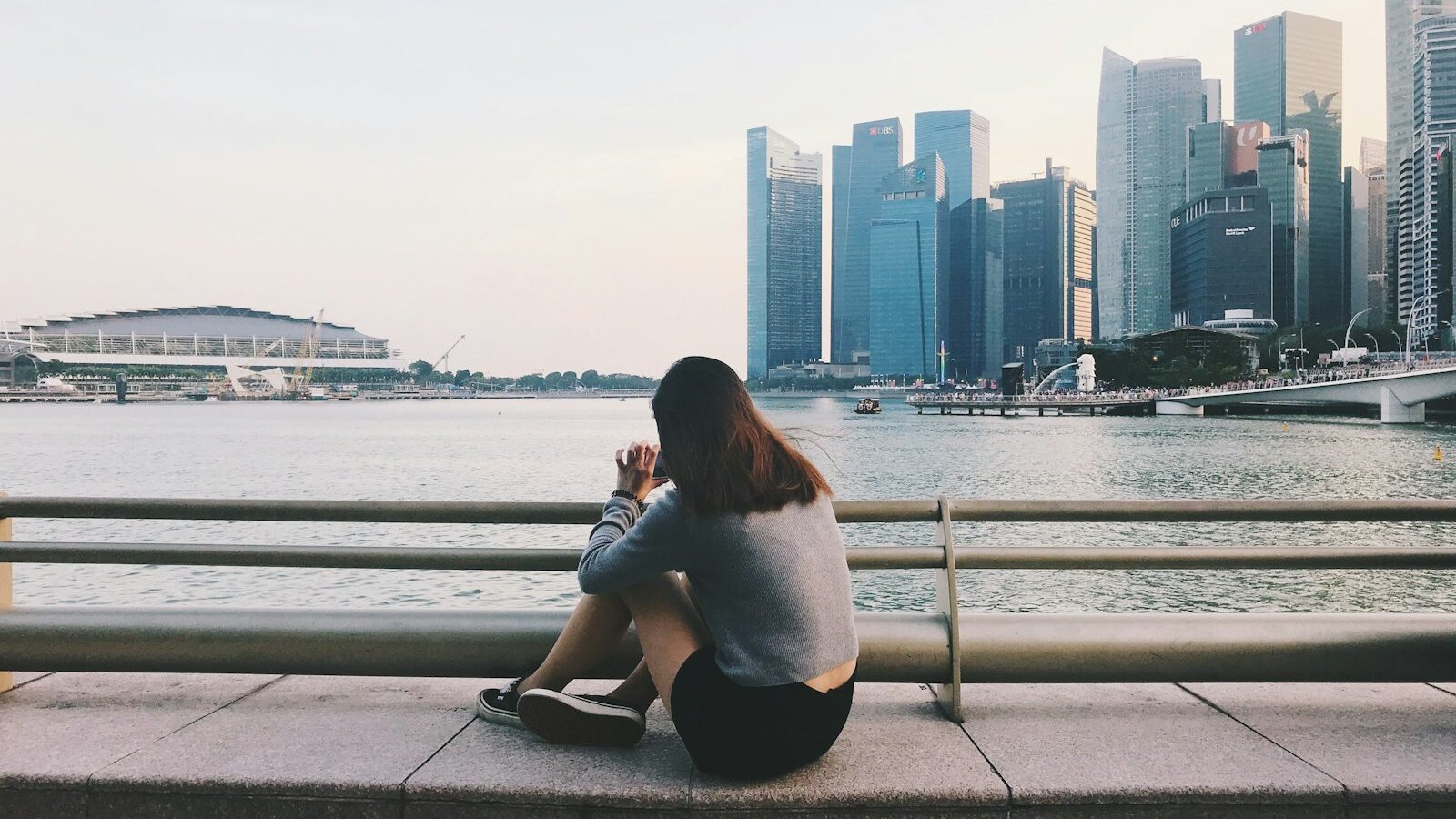
The first few months in a new country can feel like a strange kind of quiet. The city is safe, clean and full of opportunity, and yet some evenings you scroll through photos of home and feel a heaviness you cannot quite name. If that is you, please know this: homesickness for Chinese newcomers is completely normal, it is not a sign that you have made a mistake, and it usually eases as life here takes root. This guide is here to sit beside you through that adjustment, gently and practically.
Missing family, food, familiar streets and the ease of your own language is not weakness. It is the natural cost of a big, brave move. The good news is that there is a lot you can do to feel steadier, and help is available if the low moments become heavy or lasting.
A quick note first: this is general information, not medical advice. If you are struggling, please talk to a GP, and if you ever feel unable to cope or unsafe, reach out to a mental-health helpline. Helpline numbers change from time to time, so look up the current Singapore helplines (for example through a search or your GP) and keep one saved in your phone.
Why the First Year Feels So Hard
Understanding what is happening makes it less frightening. Culture shock tends to move in stages, and knowing the shape of it helps you not to panic when the shine wears off.
- The honeymoon. At first everything is exciting and new. The efficiency, the food courts, the greenery.
- The dip. Then the small frictions add up. You miss your parents, the humidity never lets up, work is intense, and simple things like ordering food or making a doctor’s appointment take more energy than they should. This is often when homesickness hits hardest.
- Adjustment. Slowly, routines form. You find your kopi order, your grocery run, a friend or two. The place starts to feel like yours.
- Feeling settled. Eventually Singapore becomes a home, even if part of your heart stays in China. Both can be true.
For mainland newcomers there are particular strains: being far from ageing parents, the guilt of not being there for family events, a different pace of friendship, and the odd loneliness of being surrounded by Mandarin speakers who still feel like strangers. Naming these honestly is the first step to easing them.
Small Daily Habits That Steady You
When your world has been upturned, the quickest relief usually comes not from big decisions but from small, repeatable anchors. Think of these as building a floor under your feet.
- Keep a rhythm. Regular sleep, meals and a bit of movement do more for your mood than almost anything. Structure is comforting when everything else is unfamiliar.
- Cook something from home. A pot of your grandmother’s soup or a familiar noodle dish can reset an entire evening. Singapore’s Chinese supermarkets make most ingredients easy to find.
- Get outside and move. A walk in a park, a swim, a jog around the estate. Sunlight and gentle exercise genuinely lift the mood, and Singapore is built for it.
- Manage the phone. Staying in touch with home is precious, but endlessly comparing your hard days here to everyone’s highlight reels back in China can deepen the ache. Call the people who love you; scroll less.
- Set one tiny goal a day. Learn one MRT line, try one hawker stall, say hello to one neighbour. Small wins rebuild confidence.
None of these fix everything, but stacked together they turn the volume down on homesickness enough for the rest of life to grow back.
Building a Life and a Community Here
Loneliness eases fastest when you have people, and people take a little deliberate effort at first. The connections will not fall into your lap; you plant them.
- Find your people. Community and clan associations, hobby groups, sports meetups, church or temple communities, and newcomer groups are all ways in. Shared activity is the easiest doorway to friendship.
- Mix your circles. It is natural to gravitate to other mainland newcomers, and that comfort matters. Over time, also make a few local or wider friends; it helps you feel you belong to Singapore, not just to a bubble inside it.
- Bring family closer, practically. If you can, plan visits, help parents get set up on video calls, and mark birthdays and festivals even from afar. Distance hurts less when the relationship stays warm.
- Give it time. Deep friendships take months, sometimes longer. Early awkwardness is not failure; it is just the beginning of the process.
Here is a gentle way to tell ordinary homesickness apart from something that needs more support.
| What you notice | Likely ordinary adjustment | Worth reaching out for help |
|---|---|---|
| Mood | Sad or wistful in waves, lifts with good days | Low or empty most days for weeks |
| Sleep and appetite | A bit off, settling over time | Persistently disrupted, no improvement |
| Interest | Still enjoy things once you engage | Little pleasure in anything, withdrawing |
| Function | Coping with work and daily life | Struggling to work or manage basics |
| Thoughts | Missing home, hopeful about settling | Hopeless, or any thoughts of self-harm |
If your experience sits mostly in the right-hand column, that is not a character flaw; it is a signal to get support, just as you would for a physical illness.
When and How to Reach Out for Help
Asking for help is a strength, and Singapore has real support available. In many Chinese families and workplaces, mental health still carries stigma, and it can feel easier to simply endure (硬撑). Please do not carry it alone.
- Start with a GP. A regular family doctor is a completely normal first stop for low mood, anxiety, poor sleep or stress. They can talk things through, help, and refer you onward if needed. Some GPs speak Mandarin, which can make it easier to open up.
- Counselling and therapy. Talking therapies are available both privately and through community organisations, some at lower cost. You do not need to be in crisis to see a counsellor; ongoing stress is reason enough.
- Helplines. If things feel heavy, or especially if you ever have thoughts of harming yourself, contact a mental-health helpline. Because numbers change, look up the current Singapore helplines now and save one, so it is there before you need it. In an immediate emergency, go to a hospital A&E or call 995.
- Lean on your circle. A trusted friend, a colleague, a community elder. Simply saying the words out loud to someone often lightens the load.
Please remember this is general information and not personalised medical advice, and that circumstances differ for everyone. If you are worried about your wellbeing, speak to a doctor or a current helpline. Reaching out is not giving up on your new life here; it is how you protect it. You have already done the hard, courageous part by moving. Being kind to yourself through the settling is simply the next step.
Explore more
Connection is the best antidote, so start with making friends as a Chinese newcomer in Singapore and look into mainland newcomer community groups in Singapore. If language is part of what makes daily life tiring, learning English for Mandarin speakers in Singapore can help you feel more at home, one conversation at a time.