
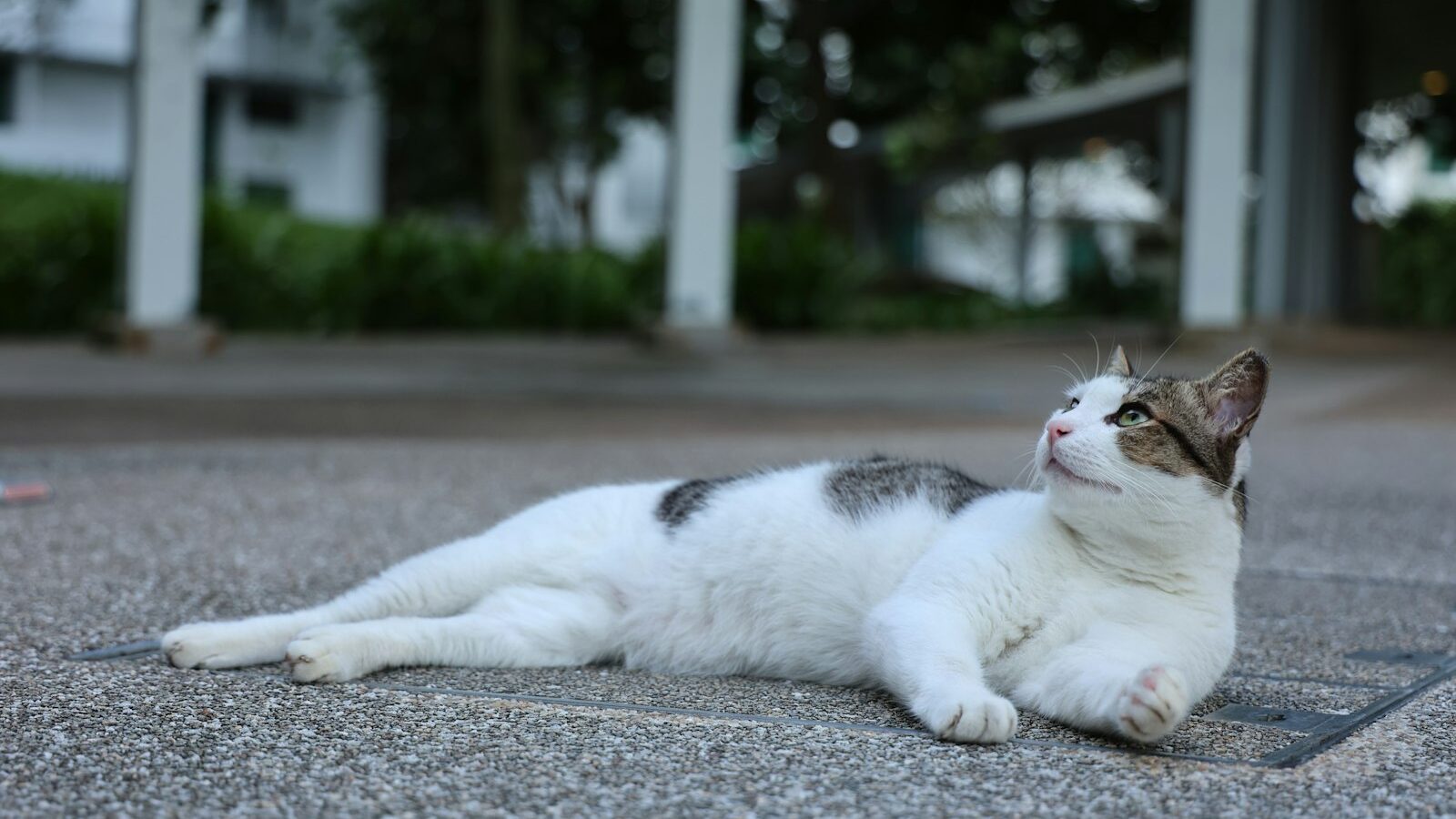
Carrying extra weight is one of the most common health issues in pet cats, and it creeps up so slowly that many owners do not notice until a vet points it out. Managing cat weight is worth the effort because a healthy weight lowers the strain on joints, supports better mobility, and reduces the risk of conditions linked to obesity. This guide explains how to tell whether your cat is overweight, how to adjust food and activity sensibly, and when to involve your vet. It is general information, not veterinary advice, so any weight-loss plan should be agreed with a licensed vet who has examined your cat.
Knowing Whether Your Cat Is Overweight
The number on a scale means little on its own because cats vary in build. Vets use a body condition score, and you can do a simple hands-on check at home. Run your hands along your cat’s sides. You should be able to feel the ribs with a light touch, without pressing hard through a layer of fat. Looking down from above, a cat at a healthy weight has a visible waist behind the ribs. From the side, the belly should tuck up rather than hang low.
A small primordial pouch of loose skin on the lower belly is normal in many cats and is not the same as fat. If you cannot feel the ribs, there is no waist, or the belly is round and firm, your cat may be carrying too much weight. The most reliable check is a vet visit, where the team can weigh your cat, assign a body condition score, and rule out medical causes. Sudden weight change in either direction, whether gain or loss, is a reason to see a vet rather than to start a home diet on your own.
Common Reasons Cats Gain Weight
Understanding the cause helps you fix it. Weight gain usually comes down to more calories going in than the cat uses, but several everyday factors feed into that:
- Free-feeding, where a full bowl is always available and grazing continues all day
- Too many treats, which add up quickly even when meals look reasonable
- Guessing portions instead of measuring, so bowls drift larger over time
- Low activity, common in indoor cats in HDB flats with little to chase
- Multiple people feeding the same cat without anyone tracking the total
- Life stage, since neutered and older cats often need fewer calories
Singapore’s warm, humid climate also keeps many cats indoors and less active during the hottest parts of the day, which makes deliberate play and portion control even more important.
Building a Safe Weight Plan
The golden rule with cats is to never crash-diet them. Cats that lose weight too fast, or stop eating altogether, can develop a serious liver problem. Any reduction should be gradual and supervised by your vet, who can set a target weight and a safe rate of loss for your cat.
Practical steps that help:
- Measure every meal with a proper scoop or scale rather than eyeballing it.
- Switch to meal feeding instead of leaving food out all day, so you control the total.
- Count treats as part of the daily total, not as extras on top.
- Feed to the target weight, not the current weight, using your vet’s guidance.
- Weigh your cat regularly and keep a simple log to track progress.
- Make one change at a time so you can see what works and keep your cat eating.
Ask your vet whether a therapeutic or portion-controlled diet suits your cat. Do not simply cut the current food sharply, as that can leave a cat hungry and short on nutrients. The aim is steady, sustainable change.
Comparing Feeding Approaches
The way you serve food matters as much as the food itself. This table compares common approaches.
| Approach | How It Works | Weight Impact | Best For |
|---|---|---|---|
| Free-feeding | Bowl always full | Easy to overeat | Rarely ideal for weight control |
| Measured meals | Set portions at set times | Easier to control intake | Most cats needing weight management |
| Puzzle feeders | Cat works for food | Slows eating, adds activity | Fast eaters and bored indoor cats |
| Vet diet plan | Tailored food and portions | Structured, monitored | Cats with a lot to lose or health issues |
Puzzle feeders and slow bowls are useful because they add mental work and stretch out a meal, which can leave a cat feeling more satisfied on the same amount of food.
Adding Activity for Indoor Cats
Diet does most of the work, but movement helps and keeps indoor cats happier. You do not need much space. Short, frequent play sessions with a wand toy, feather, or ball can get a cat running, pouncing, and climbing. Two or three sessions a day of a few minutes each is a realistic target for many households.
Ideas that suit flats:
- Wand and feather toys that mimic prey and trigger the chase
- Vertical space such as cat trees, shelves, or perches to climb
- Puzzle feeders and treat balls that make your cat move for food
- Rotating a small set of toys so novelty keeps interest up
Always play in cooler parts of the day and stop if your cat pants, tires quickly, or seems distressed, since panting in cats can signal a problem. Let older cats or those with joint issues set the pace, and check with your vet before ramping up exercise for a cat that is very overweight.
When to See the Vet
See a licensed vet before starting any weight programme, and again if things do not go to plan. Book a visit if your cat loses or gains weight suddenly, stops eating for more than a day, seems weak or lethargic, drinks much more than usual, or shows any change in appetite or behaviour. These can point to underlying illness rather than simple overfeeding, and a vet can investigate. Repeated vomiting, difficulty breathing, or collapse need urgent attention. Regular weigh-ins and check-ups keep the plan on track and your cat comfortable.
Explore More
Weight, comfort, and grooming are all linked. Pair this with our guide to cat dental care at home, since sore teeth can change how a cat eats, and see dealing with cat hairballs for another everyday concern worth staying on top of.