
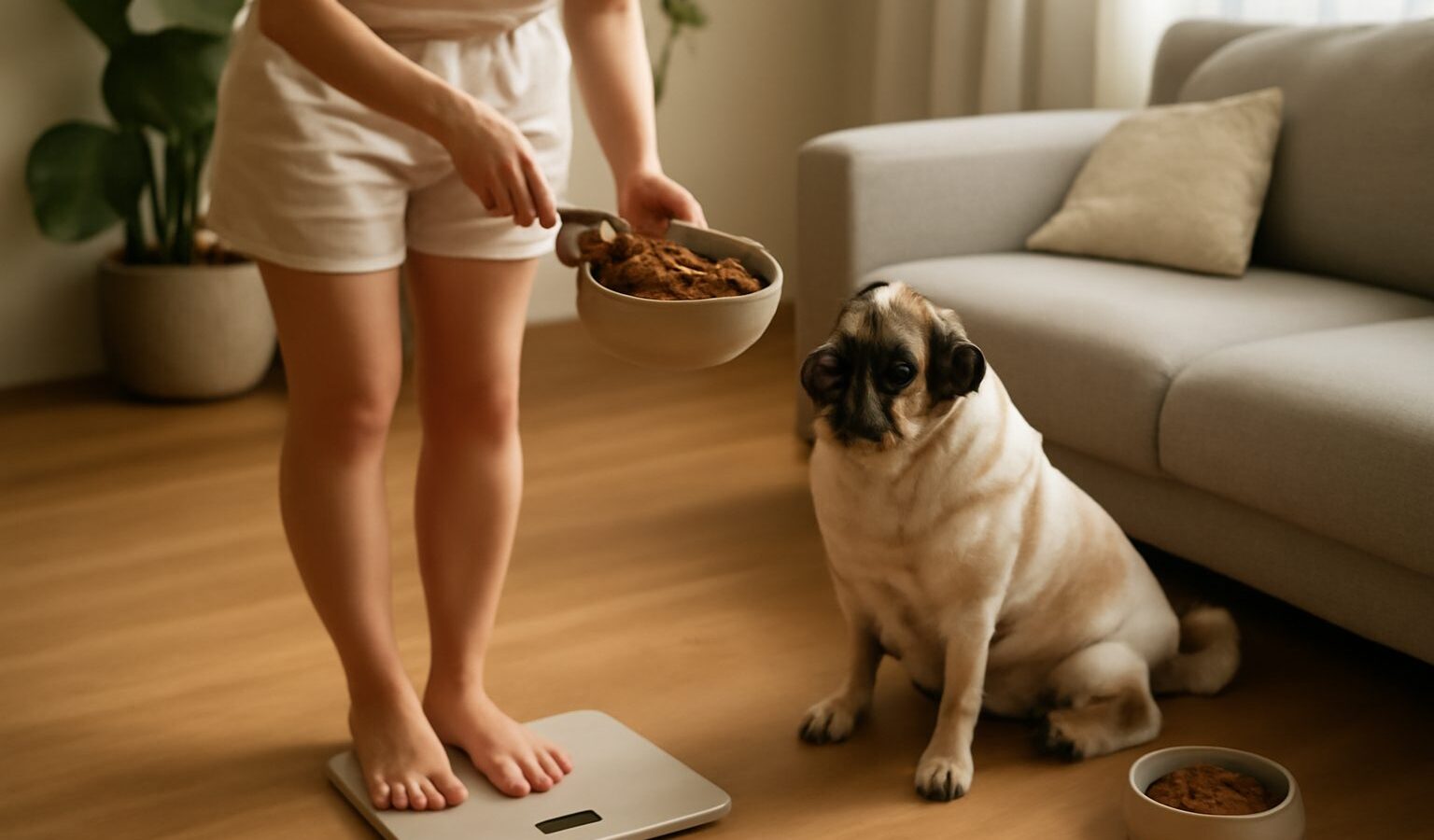
A few extra grams on a small dog, or a soft round belly on a bigger one, is easy to miss and easy to excuse. Yet carrying too much weight is one of the most common health problems in pet dogs, and it quietly raises the risk of joint trouble, breathing difficulty and a shorter, less comfortable life. Managing your dog’s weight is one of the kindest, most powerful things an owner can do. This article is general information, not veterinary advice, and any target weight or feeding plan for your dog should come from your licensed vet.
Why Weight Matters More Than You Think
Dogs are good at looking happy regardless of their size, so it is tempting to think a chubby dog is simply a well-loved one. In truth, excess weight puts strain on the joints and spine, makes movement harder, and can worsen conditions affecting the heart, breathing and glands. In our warm, humid climate, an overweight dog also struggles more with heat, tires quickly on walks and is at greater risk of overheating. Brachycephalic breeds, the flat-faced dogs that already work hard to breathe, feel the effects even more.
Weight problems creep up slowly. Because the change is gradual and you see your dog every day, the shift is hard to notice until it is significant. That is why regular, honest checks matter more than a glance in passing.
How to Tell If Your Dog Is Overweight
You do not need a scale to get a useful sense of your dog’s condition. Vets often use a simple body check that any owner can learn:
- Ribs: You should be able to feel the ribs easily with a light touch, without pressing through a thick layer.
- Waist: Looking down from above, your dog should have a visible waist that tucks in behind the ribs.
- Profile: From the side, the belly should tuck up rather than hang level or sag.
- Energy: Notice whether your dog tires quickly, is reluctant to walk, or takes longer to recover after activity.
If the ribs are hard to find, the waist has disappeared, or the belly hangs low, it is worth a conversation with your vet. They can assess your dog properly, rule out medical causes, and confirm a healthy target rather than you guessing at a number. Sudden or unexplained weight change, in either direction, always deserves a vet visit, because it can signal an underlying illness.
Comparing Everyday Habits
Small daily choices add up over months. The table below contrasts habits that tend to add weight with ones that help your dog stay lean.
| Area | Habit that adds weight | Healthier habit |
|---|---|---|
| Portions | Free-feeding or eyeballing the bowl | Measuring meals to a plan your vet sets |
| Treats | Frequent snacks and table scraps | Counting treats within the daily food total |
| Exercise | Short, irregular toilet walks only | Regular walks and play in cooler hours |
| Rewards | Using food for every good behaviour | Praise, toys and attention as rewards too |
| Monitoring | Weighing only at annual visits | Regular weigh-ins and body checks at home |
None of these changes is dramatic on its own. Together, and kept up consistently, they make a real difference over time.
Adjusting Food the Right Way
Food is where most weight is won or lost, so it is where care matters most. Rather than deciding portions yourself, ask your vet what and how much your dog should eat for its size, age and activity, and whether a specific diet would help. Then measure meals with a proper cup or scale rather than pouring by eye, since it is surprisingly easy to overfeed when guessing.
Treats deserve special attention. They often carry more calories than owners realise, and they add up fast when handed out through the day. Keep treats to a small share of the daily total, favour low-calorie options your vet approves, and remember that many dogs are just as pleased with attention, praise or a game. Avoid feeding table scraps, and be firm about begging, because a few bites here and there can undo careful portioning. Keep human foods that are toxic to dogs, such as chocolate, grapes and onions, well out of reach.
If your household has several people, agree on one feeding routine so your dog is not fed twice. A shared chart on the fridge, marking meals and treats given, prevents the accidental double dinners that quietly pile on weight.
Building Safe, Steady Exercise
Movement supports weight control, muscle tone and a calmer, happier dog. In Singapore, timing is everything. Walk and play in the cooler parts of the day, early morning or later evening, and avoid midday heat. Carry water, watch for signs of tiredness, and rest in the shade. On very hot days, indoor games, gentle training and food-puzzle toys keep the body and mind busy without the risk of overheating.
Build up gradually, especially if your dog is currently unfit or carrying extra weight. Sudden bursts of hard exercise can strain joints and the heart. Ask your vet what level of activity is safe before you increase it, particularly for older dogs, flat-faced breeds or any dog with a known health condition.
When to Loop In Your Vet
Managing weight is a long game, and your vet is your best guide throughout it. See them if your dog is losing or gaining weight without an obvious reason, if a diet plan is not working, or if your dog seems low in energy, drinks or urinates more than usual, or shows a swollen belly. Seek help urgently for difficulty breathing, collapse, or signs of overheating such as heavy panting, drooling and unsteadiness, as heat stress can become an emergency quickly. A steady, vet-guided approach beats any crash diet, and it gives your dog the best chance of a long, active life.
Explore More
A healthy weight is easier to keep with the right daily care. Read our advice on dog paw care and hot pavements to keep exercise safe in our heat, and see our guide to tick, flea and heartworm prevention so outdoor activity stays worry-free. Heading out together often? Our car travel safety guide helps every journey go smoothly.