
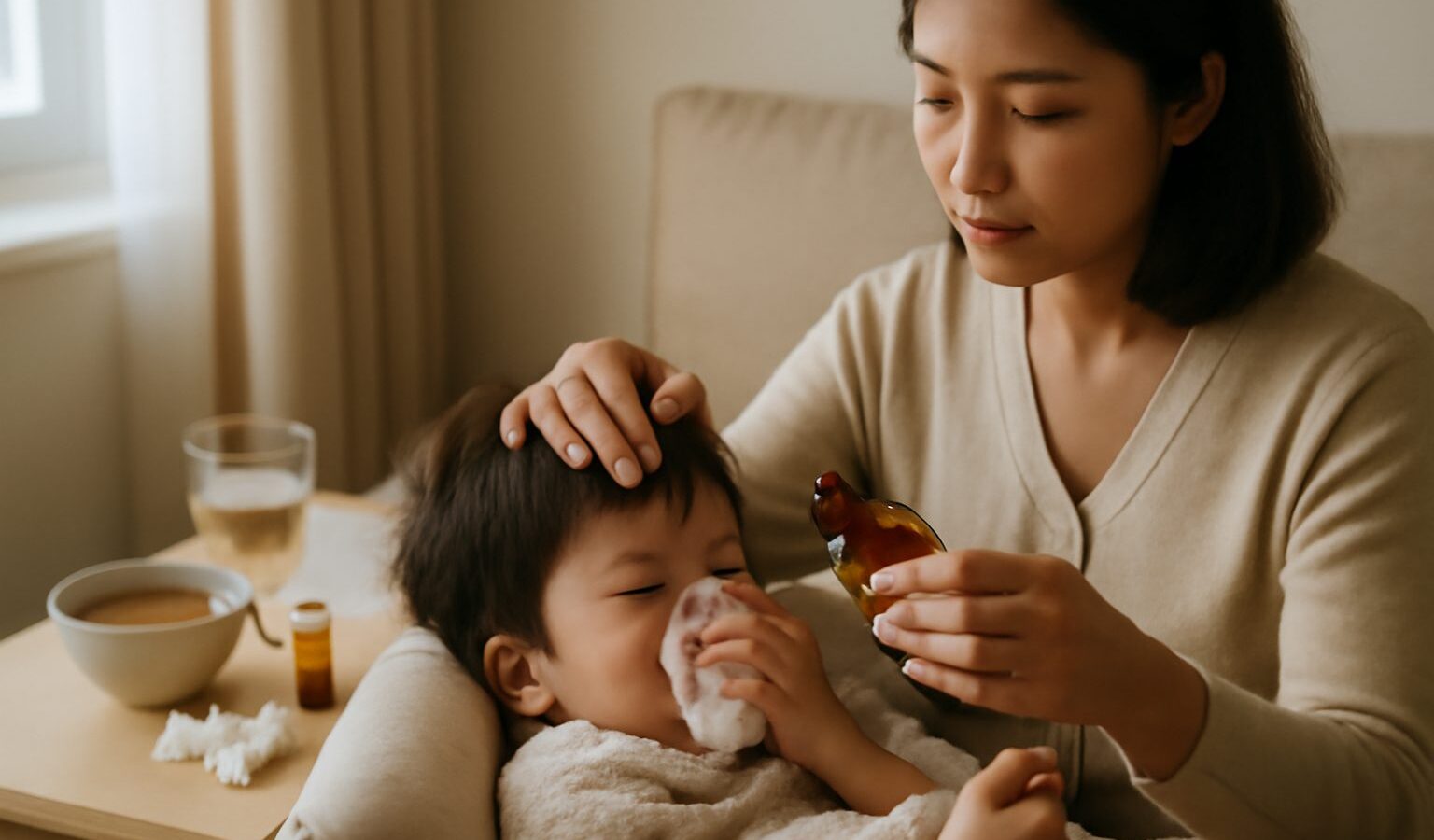
Few things tug at a parent’s heart like a child with a stuffy nose, a tickly cough, and that slightly miserable, clingy mood that comes with feeling unwell. If you are searching for reassurance on a child cough and cold singapore parents will be glad to hear that the vast majority of these illnesses are mild, caused by everyday viruses, and pass on their own with a little comfort and patience.
This is a warm, general guide to help your child feel better while their body does the work of recovering. It is not medical advice, and it does not replace a conversation with your doctor or pharmacist. If you are ever worried, please seek professional help.
Why Coughs and Colds Are So Common
Young children catch a lot of colds, and that is completely normal. Their immune systems are still learning, and in a busy country like ours, with childcare centres, playgroups, and full public transport, little ones are exposed to plenty of common viruses. It is not unusual for a preschooler to have several colds a year, especially in their first year or two of group care.
Most coughs and colds are caused by viruses, which means antibiotics do not help. A typical cold brings a runny or blocked nose, sneezing, a mild sore throat, a cough, and sometimes a low fever. The cough can be the last symptom to go and may linger for a week or two even after your child feels well again. This is usually nothing to worry about, though a cough that drags on or worsens is worth a doctor’s check.
Comfort First: What Helps at Home
You cannot make a cold disappear faster, but you can make your child far more comfortable while it runs its course. Think of your role as gentle support rather than cure.
- Fluids, fluids, fluids. Offer water, milk, or their usual drinks often. Staying hydrated soothes a sore throat, keeps mucus thinner, and helps your child feel better overall.
- Rest and quiet. Let your child slow down, nap when they need to, and swap busy activities for calm ones like reading together or gentle play.
- Ease a blocked nose. For babies and young children, saline nose drops or spray can help loosen congestion, especially before feeds and sleep. A young baby who cannot breathe well through the nose may struggle to feed.
- Keep them comfortable. Dress them in light, breathable clothing, keep the room at a comfortable temperature, and offer plenty of cuddles.
- A little extra propping for older children. Slightly raising the head end for an older child can sometimes ease night-time congestion, though babies should always sleep flat on their backs on a firm, clear surface.
What to Be Careful About
Some well-meant remedies can do more harm than good, so a few gentle cautions are worth knowing.
Cough and cold medicines that you buy over the counter are generally not recommended for young children, particularly those under six. They have little proven benefit for this age group and can carry risks, so do not give them unless a doctor or pharmacist has specifically advised it for your child. If you are ever tempted to reach for a bottle on the shelf, ask a pharmacist first.
Honey can soothe a cough in children over one year old, but it must never be given to a baby under one year because of the risk of infant botulism. For any medicine used to bring down a fever or ease discomfort, follow the instructions on the packet or your doctor’s advice exactly, and never give more than the recommended amount. Never share medicine prescribed for one child, or an adult, with your little one.
A Simple Guide to Symptoms and Comfort
Every child is different, but the table below offers a general sense of what tends to help with common cold symptoms. Use it as a starting point, not a rulebook.
| Symptom | Gentle comfort measures |
|---|---|
| Blocked or runny nose | Saline drops or spray, offer fluids, wipe gently, extra cuddles before sleep |
| Sore throat | Warm or cool drinks, soft foods, honey for children over one year |
| Tickly cough | Fluids, calm environment, patience as it often lingers |
| Mild fever and grumpiness | Rest, fluids, light clothing, fever relief only as advised by a doctor or pharmacist |
| Poor appetite | Small, frequent, easy foods; do not force eating; keep drinks going |
When to See a Doctor
Most colds need nothing more than time and tenderness, but some situations call for a professional opinion. Trust your instincts, because you know your child best.
Please see a doctor, or seek urgent care, if your child:
- Is a baby under three months old with any fever or cold symptoms.
- Is having any difficulty breathing, is breathing fast, or you can see the skin pulling in around the ribs or neck.
- Has a high fever, or a fever that persists or keeps returning.
- Is very drowsy, floppy, unusually irritable, or hard to wake.
- Is not drinking, is producing far fewer wet nappies than usual, or shows other signs of dehydration.
- Has symptoms that are getting worse rather than better, or a cough that drags on for weeks.
- Has lips or skin that look blue or unusually pale, in which case call 995 immediately.
If your gut tells you something is not right, that is reason enough to get your child checked. Doctors would always rather see a child and offer reassurance than have a parent worry alone.
Looking After Yourself Too
Caring for a poorly child, especially through broken nights, is tiring. Accept help where you can, rest when your child rests, and remember that this season will pass. Children are wonderfully resilient, and with your comfort and care, most bounce back from a cough and cold within a week or so, ready to get back to the business of play.