
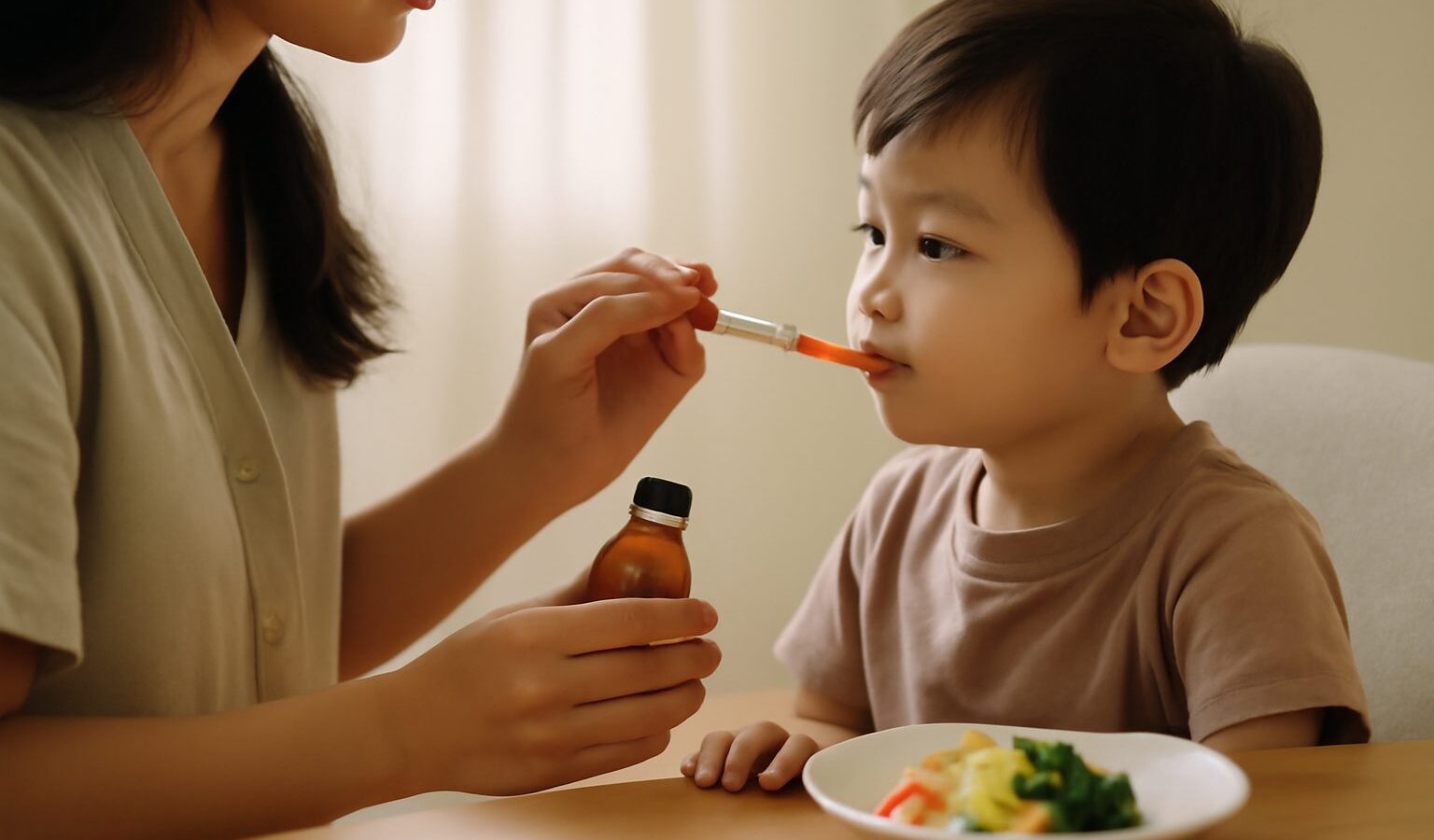
When your child is unwell, it is natural to want something that will make them better quickly. Understanding antibiotics for children singapore parents are often prescribed can help you use them safely, avoid common mistakes, and play your part in keeping these important medicines working for the future. Antibiotics can be life-saving when they are genuinely needed, but they are not the right answer for every illness. This guide explains the general principles in plain terms. It is general information only and not medical advice, and any decision about antibiotics should come from your child’s doctor.
What Antibiotics Do and Do Not Do
Antibiotics are medicines that fight bacterial infections. They work by killing bacteria or stopping them from multiplying, which helps the body recover from certain illnesses. Used correctly, for the right infection, they are extremely valuable.
Here is the point that surprises many parents. Antibiotics do not work against viruses. Most everyday childhood illnesses, including the common cold, most coughs and sore throats, many ear infections, and typical flu-like bugs, are caused by viruses. For these, antibiotics simply do not help, because there are no bacteria for them to act on. Giving an antibiotic for a viral illness will not speed up recovery, will not lower the fever any faster, and can bring side effects such as tummy upset without any benefit.
This is why a doctor may examine your child and decide that antibiotics are not needed. That is not the doctor withholding care. It is good medicine. For viral illnesses, the usual approach is supportive care at home, such as rest, fluids, and comfort, while the illness runs its course, along with watching for any signs that things are getting worse. Only a doctor can judge whether an illness is likely bacterial or viral, and whether an antibiotic is appropriate.
Using Antibiotics Safely
If your child’s doctor does prescribe antibiotics, using them properly matters a great deal, both for your child’s recovery and for the wider community. A few simple principles keep things safe.
- Use antibiotics only when prescribed by a doctor for your specific child and their specific illness.
- Follow the instructions exactly, including how much to give, how often, and for how long, as directed by the doctor or pharmacist.
- Do not stop early just because your child seems better, unless your doctor tells you to, as stopping short can leave an infection incompletely treated.
- Never share antibiotics between children or family members, since a medicine prescribed for one person and one illness may be wrong or harmful for another.
- Do not save leftover antibiotics for next time, and do not reuse an old course for a new illness.
- Never use antibiotics left over from a previous illness without a doctor deciding they are appropriate.
- Ask your doctor or pharmacist if you are unsure about anything, including what to do if a dose is missed or if side effects appear.
Deliberately, this guide does not name any medicines or suggest doses, because the right choice depends entirely on your individual child and must come from a professional. Store all medicines safely out of children’s reach, and dispose of unused or expired medicines responsibly rather than keeping them in the cupboard. If your child develops a rash, breathing difficulty, or any reaction after taking a medicine, seek medical help promptly, and for a severe reaction call 995 or go to A&E.
Why Wise Use Protects Everyone
There is a bigger reason to use antibiotics carefully, and it affects every family. When antibiotics are used when they are not needed, or not used correctly, bacteria can adapt and become resistant to them. This is called antibiotic resistance, and it means that over time some infections become harder to treat because the medicines that once worked no longer do.
Antibiotic resistance is a serious, worldwide health issue, and it grows every time antibiotics are misused, whether that is taking them for a viral illness, not finishing a prescribed course as directed, or sharing and reusing old medicines. By using antibiotics only when a doctor prescribes them and exactly as instructed, you help keep these medicines effective for your child, for other children, and for the future. It is one of those small, everyday choices that adds up to something much bigger.
The best way to reduce the need for antibiotics in the first place is to help your child stay well and to know when an illness needs a doctor at all. For that, you may find our guides on children’s fever and when to see a doctor and managing your child’s cough and cold useful, along with our overview of giving children medicine safely, which covers safe measuring, storage, and general good practice.
Antibiotics are a precious tool, best used sparingly and correctly. Take them only when a doctor prescribes them, follow the instructions to the letter, never share, save, or reuse them, and remember they do not treat viral illnesses. When in doubt, defer to your doctor or pharmacist, see a doctor for diagnosis and treatment, and call 995 or go to A&E in an emergency.