
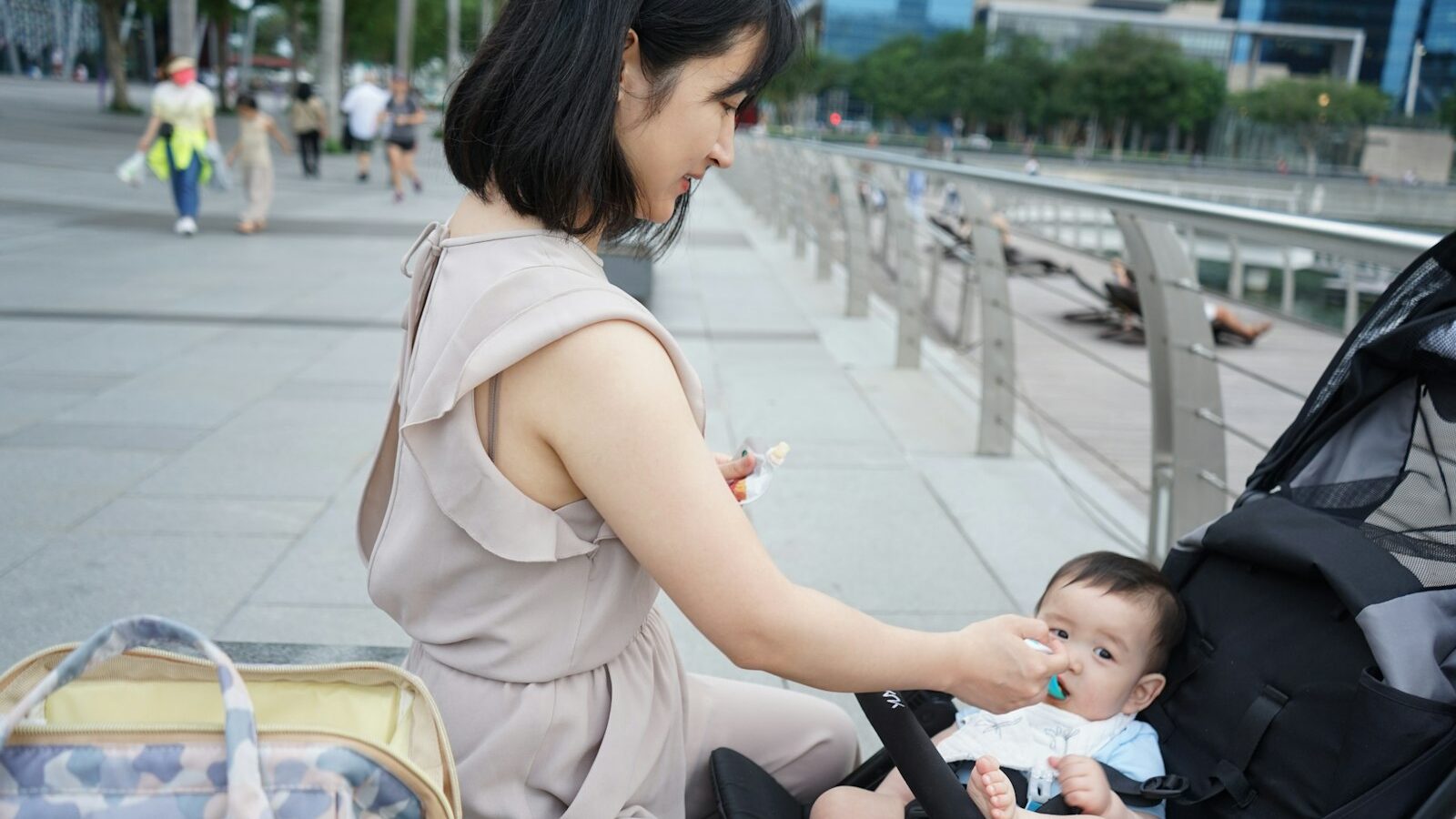
If your little one suddenly wants to be carried everywhere, cries the moment you leave the room, or clamps onto your leg at every gathering, you are not alone. Toddler clinginess in Singapore is one of the most common worries parents raise, and the good news is that in the vast majority of cases it is a completely normal and healthy stage. Far from being a problem to fix, clinginess is often a sign that your child feels deeply attached to you and is learning to make sense of a big world.
Understanding why it happens, and responding with warmth rather than frustration, helps your toddler grow into a more secure and confident child over time.

Why Toddlers Get Clingy
Attachment is the bond that tells your child you are their safe base. From this secure base they feel brave enough to explore, knowing they can return to you whenever the world feels overwhelming. Clinginess flares up when that need for safety spikes, and there are many everyday reasons why.
- Separation anxiety, which commonly peaks in toddlerhood as your child realises you can leave but does not yet trust that you always return.
- Big changes, such as starting childcare, a new sibling, moving home, or a new helper or caregiver.
- Being tired, hungry, unwell or overstimulated, which lowers everyone’s coping reserves.
- Developmental leaps, when new awareness of the world can feel unsettling.
- Unfamiliar places and people, from a crowded hawker centre to a family gathering full of relatives your toddler rarely sees.
None of these mean you have made your child too dependent. Responding to a young child’s need for closeness does not spoil them. It builds trust, and trust is what eventually gives them the confidence to let go.
Responding With Warmth, Not Frustration
It is tempting to peel a clinging toddler off and tell them to be brave, but pushing a child away when they are anxious usually makes them hold on tighter. Instead, meet the feeling first.
- Acknowledge it. A simple “You want to stay close to Mummy, that’s okay” helps your child feel understood.
- Offer connection before independence. A few minutes of undivided cuddles or play often refills their tank so they wander off happily.
- Stay calm and patient. Your steady, unhurried response tells your toddler there is nothing to fear.
- Avoid shaming words like “clingy” or “baby”. Toddlers absorb these labels.
Filling your child’s need for closeness is not the opposite of raising an independent child. It is the foundation of it. Our guide to teaching kids to calm down and self-soothe offers gentle tools you can build on.
Gently Building Independence
Once your toddler feels secure, you can slowly stretch their comfort zone. The aim is to encourage brave steps without ever forcing separation.
- Play peekaboo and hide-and-seek. These games teach the powerful lesson that things and people come back.
- Practise short, cheerful goodbyes. Leave the room for a moment and return, so your child learns the pattern of leaving and returning.
- Keep a consistent goodbye ritual for drop-offs, then go without lingering. Sneaking away often backfires and heightens anxiety.
- Let them explore at their own pace at the playground or a play area, staying visible as their safe base rather than nudging them forward.
- Give small choices and simple tasks so your toddler feels capable and proud.
A comfort object can be a wonderful bridge when you are apart. You might find our piece on introducing a comfort object or lovey useful, and if childcare is part of the picture, helping your baby adjust to childcare walks through easier separations.
Clinginess in the Singapore Context
Many families here juggle helpers, grandparent care and childcare, and toddlers can feel torn between several loving adults. A little clinginess when routines shift between weekdays and weekends is understandable. Keeping caregiving consistent, with familiar routines and the same comforting words across the people who care for your child, helps your toddler feel settled. In our busy, crowded environment, a shy toddler burying their face at a big family dinner or a packed shopping mall is simply telling you they feel overwhelmed, not being rude.
When to Seek a Little Extra Support
Clinginess is usually a passing phase, but trust your instincts if something feels off. Consider a chat with your doctor, paediatrician or a child development professional if your toddler’s anxiety is extreme and constant, if it is not easing at all over many months, if it comes with significant delays in speech or play, or if your child seems persistently distressed, withdrawn or unable to settle even with a familiar caregiver. Only a qualified professional can properly assess a child, so an early check brings reassurance and, where needed, the right support. This article offers general information and is not a substitute for professional advice.
A Reassuring Wrap-Up
A clingy toddler is very often a securely attached toddler in the making. Meet their need for closeness with patience, keep goodbyes warm and predictable, and gently invite brave steps when they are ready. Stay consistent across the caregivers in your child’s life, look after your own patience reserves, and remember that this stage, like so many others, will pass. The security you offer now is exactly what helps your child stride out into the world later.
Frequently Asked Questions
Is it normal for a toddler to cry every time I go to the toilet? Yes, this is a common form of separation anxiety, as toddlers do not yet trust that you always return. Say a quick, cheerful word before you leave and come back. Peekaboo and short, predictable separations help your child learn that you return.
Does carrying my toddler a lot make them more dependent? No, responding to a young child’s need for closeness builds trust rather than dependence. A child who feels secure usually finds the courage to explore. Offer cuddles first, then invite small independent steps when your child seems ready.
How do I handle clinginess when a new baby arrives? Expect some regression and extra neediness, which is a normal response to change. Set aside a few minutes of undivided attention each day, include your toddler in baby care tasks and avoid labels like clingy. Patience usually brings things back to balance.
What if my toddler only clings to me and not the other caregivers? Preferring one parent is common, and it usually eases over time. Let other caregivers build bonds through regular, one-to-one play and routines, and keep handovers calm and predictable. Do not force your child to go to someone while distressed.
Is clinginess worse after illness or a holiday? Often, yes. Tiredness, illness and breaks in routine lower a toddler’s coping, so they seek more closeness. Return to familiar routines, keep sleep consistent and offer extra reassurance. It usually settles within days or weeks.
Further reading: Helping Your Toddler Overcome Fears · Managing Toddler Fears of the Dark · Helping a Clingy Child