
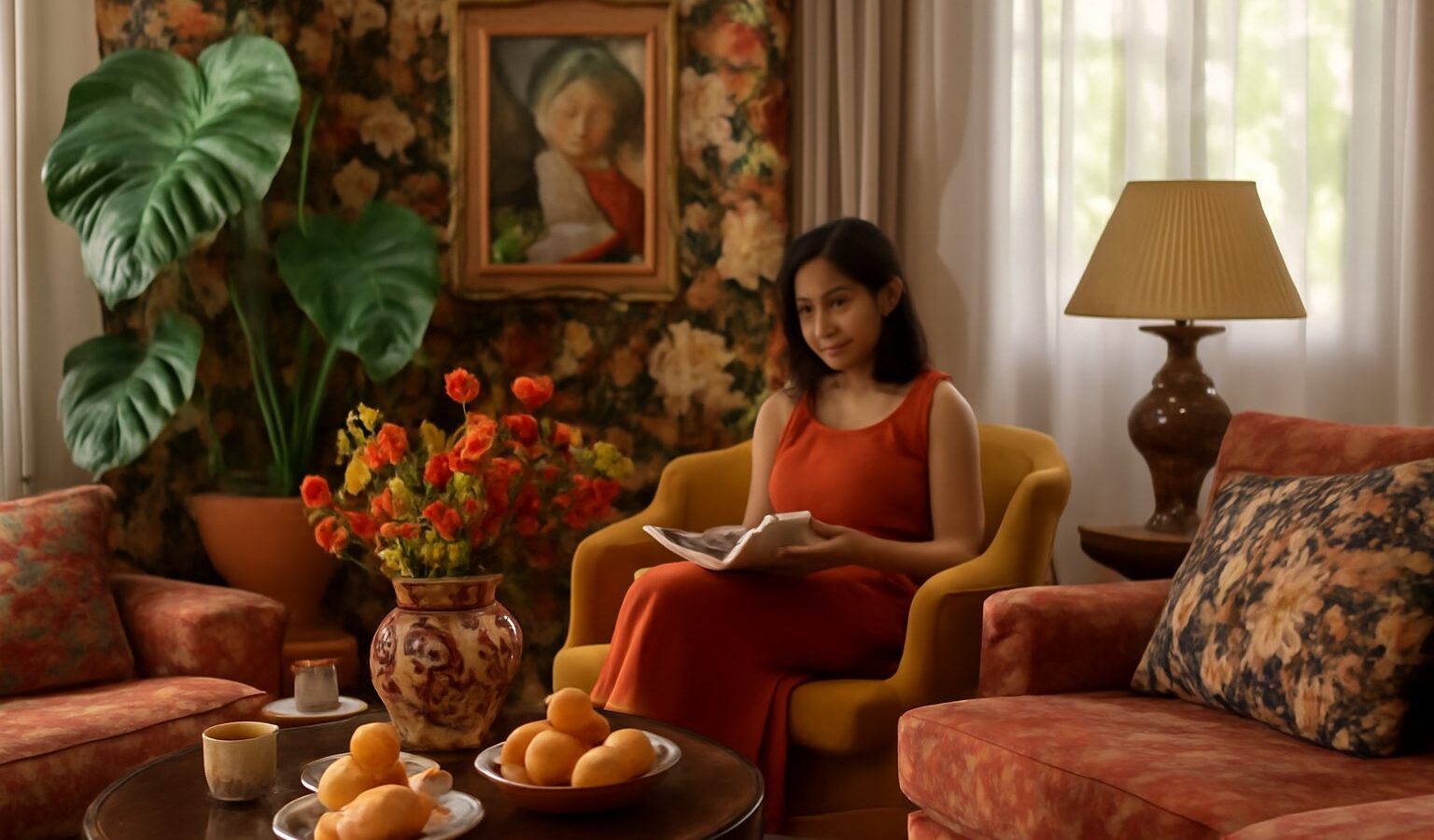
For anyone who finds pared-back rooms a little cold, a maximalist interior singapore homes can pull off with flair offers a joyful alternative. Maximalism celebrates colour, pattern, texture and the things you love, layered with intention rather than piled up at random. Done well, it feels rich, personal and alive, telling the story of who lives there. Done carelessly, it tips into clutter. This guide covers the origins of the look, its key elements, palettes and materials, and the practical ways to make it sing in a compact flat or condo without overwhelming the space.
The Look and Where It Comes From
Maximalism is often summed up as more is more, a deliberate reply to minimalism’s more is less. Its roots run through grand historic interiors, the pattern-rich rooms of the design reformers who championed handcraft, and the eclectic, globe-trotting homes of collectors who never met a beautiful object they could resist. Across all of these, the common thread is abundance handled with a confident eye.
The style has surged again as people seek warmth and individuality after years of neutral, look-alike interiors. Contemporary maximalism is less about sheer quantity and more about curation: bold choices that are connected by a thread of colour, era or theme so the room feels collected rather than chaotic.
The mindset is the real starting point. Maximalism gives you permission to display what you love, mix periods and styles, and treat your home as a personal gallery. The skill lies in editing that abundance so every piece earns its place.
Key Elements
- Layered pattern. Florals, stripes, geometrics and botanicals sit together, tied by a shared colour or scale.
- Rich colour. Deep, saturated tones set the mood, often across walls, ceilings and joinery.
- Collected objects. Books, art, ceramics and travel finds are displayed proudly rather than hidden away.
- Gallery walls. Densely hung art and mirrors turn a plain wall into a focal point.
- Statement pieces. A bold sofa, a patterned rug or a striking light fitting anchors the scheme.
- Abundant greenery. Plants add life, texture and a natural counterpoint to strong colour.
Colour Palette, Materials and Textures
Maximalist palettes are confident. Jewel tones such as emerald, sapphire, ruby and amber pair beautifully with warm neutrals and metallic accents, while terracotta, ochre and forest green give a grounded, earthy version of the look. The trick is to choose a core palette of a few colours and repeat them around the room so the eye finds rhythm within the richness.
Texture and material bring depth. Velvet, brass, timber, rattan, glazed ceramic and patterned tile all add tactile interest, and combining glossy and matte surfaces keeps things dynamic.
| Element | Maximalist choices | How to keep it liveable |
|---|---|---|
| Colours | Emerald, sapphire, ochre, terracotta, gold | Repeat a core palette for rhythm |
| Pattern | Florals, geometrics, stripes, botanicals | Link by shared colour or scale |
| Materials | Velvet, rattan, brass, glazed tile, timber | Balance a few luxe pieces with natural ones |
| Textures | Fringing, weaves, glossy ceramic, plush pile | Mix matte and shine for depth |
| Display | Gallery walls, styled shelves, plants | Group by theme, leave breathing room |
Let one wall or one large item be the boldest note, then support it with quieter repeats of the same colours elsewhere.
Furniture and Decor
Choose a hero piece to build around, such as a jewel-toned velvet sofa, a boldly patterned armchair or a vivid rug, then layer supporting pieces that share its palette. Mixing eras is encouraged: a vintage timber cabinet beside a contemporary lamp gives the collected feel that defines the style.
Shelves and surfaces are where maximalism comes alive. Style them with stacked books, framed art, ceramics and plants, grouping objects by colour or theme so they read as a considered vignette rather than a jumble. A gallery wall of mixed frames adds instant personality and is a forgiving way to fill a large blank space.
Lighting should be layered and warm. Table lamps, a sculptural pendant and wall lights create pools of glow that flatter rich colours in the evening. A statement fitting can double as a piece of art in its own right.
Adapting It to an HDB Flat or Condo
Bold decorating in a compact home simply calls for a little discipline. In our climate, lean on natural materials and breathable fabrics so the richness never feels heavy or stuffy. Rattan, cane and timber add warmth and pattern while keeping rooms airy, and lighter cotton or linen in the mix balances denser velvets.
Contain the boldness so it energises rather than overwhelms. Reserve your most saturated colour or busiest pattern for a feature wall, the inside of a shelving unit or a single upholstered piece, then keep larger surfaces calmer. This gives the eye somewhere to rest, which matters in a small room.
Ventilation and greenery are natural partners for the style here. Plants are practically a maximalist staple, and they thrive in our warmth and light, so build them into the scheme freely. Keep pathways clear and choose a few larger statement objects over many tiny ones, which keeps a flat feeling curated rather than cramped. Mirrors, very much a maximalist tool, bounce light around and make a bold room feel larger.
Budget-Friendly Ways to Achieve the Look
Maximalism suits a modest budget because it rewards collecting over time. Start with paint, the cheapest way to make a dramatic change, and give one wall or a piece of joinery a rich colour. Build a gallery wall gradually from prints, postcards, fabric offcuts and second-hand frames, unified by a loose colour theme.
Hunt for characterful pieces at pre-loved and thrift sources, where mismatched vintage furniture and ceramics cost little and add exactly the layered soul the look needs. Cushions, throws and a patterned rug bring pattern in quickly and can be swapped as your taste shifts. Fill shelves with books and plants you may already own, styled thoughtfully. Because maximalism thrives on personality rather than newness, the pieces you gather and love will always look richer than anything bought as a matching set.
Explore more
Interior Design Styles
Home Decor and Lighting
How to Choose Art and Prints for Your Home
How to Style Shelves and Surfaces