
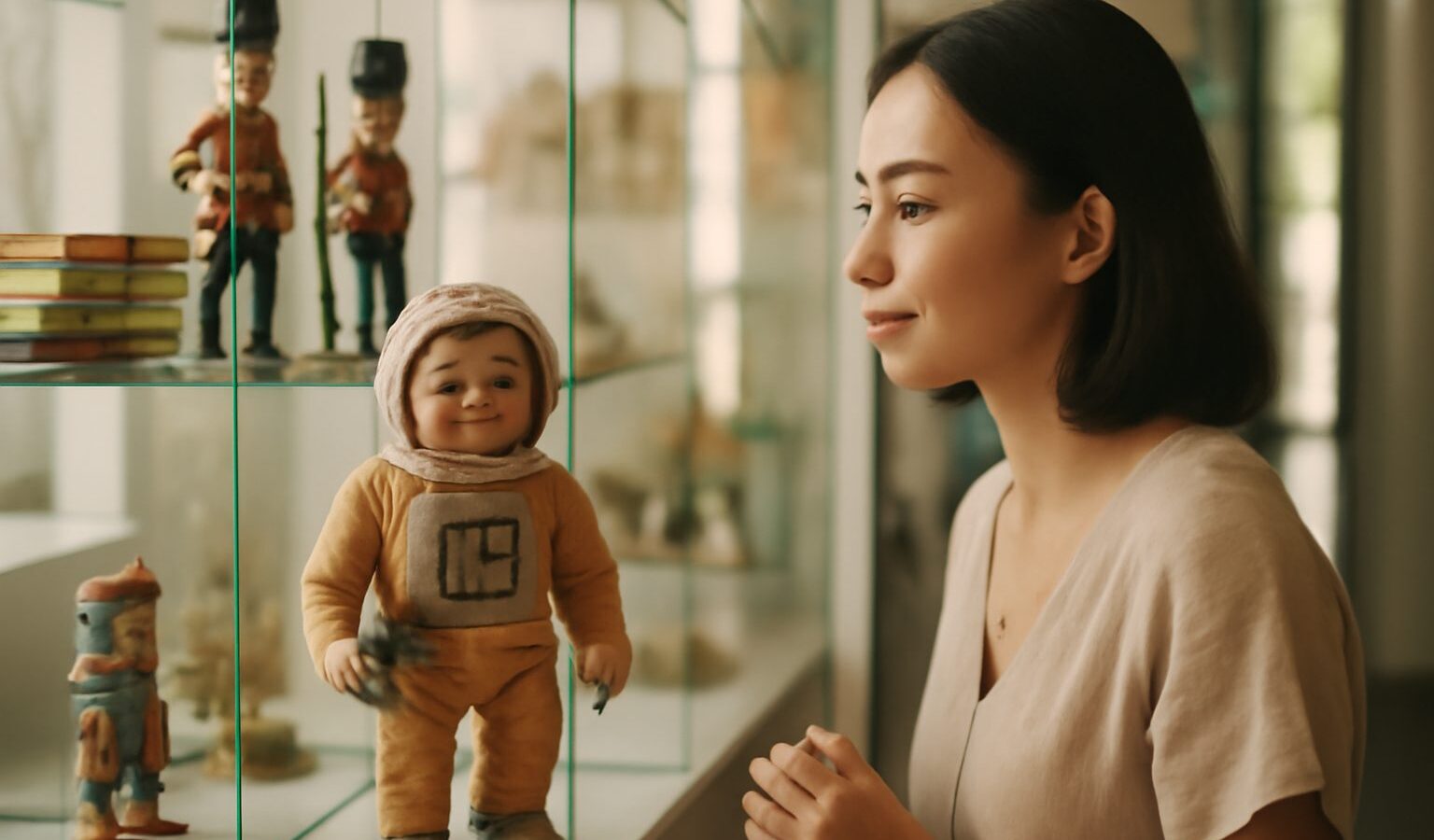
Tucked into a slim tower on Seah Street, the MINT Museum of Toys Singapore is one of the city’s quirkiest small museums. MINT stands for Moment of Imagination and Nostalgia with Toys, and that name sums up the visit perfectly. Instead of dinosaurs or fine art, you climb through floor after floor of tin robots, comic characters, space rockets and childhood favourites, many of them older than your grandparents. It is compact, deeply personal, and a lovely change of pace from Singapore’s bigger attractions.
This guide walks you through what the museum is, what you will see, who it suits, and how to plan a visit, including how to get there and why it is such a reliable rainy-day pick.
What the MINT Museum of Toys is
The MINT Museum of Toys is a privately founded collection that opened in 2007, built up over decades by a single passionate collector. The holdings run to tens of thousands of pieces sourced from dozens of countries, with items dating roughly from the mid 1800s through to the 1980s. That range means you get everything from delicate early tinplate toys to the plastic characters that shaped later childhoods.
What makes it stand out is curation, not scale. This is not a warehouse of clutter. The pieces are arranged by theme across the building’s upper storeys, displayed in glass cases with good lighting so you can appreciate the craftsmanship, the paintwork and the tiny mechanical details. Many toys here are rare, and some are genuinely valuable, so most are behind glass rather than hands-on. Treat it as a museum to look and marvel at, not a play space.
What you will see inside
The collection is grouped into broad themes spread across the levels, so each floor has its own flavour. You generally move through zones such as:
- Outer space and science fiction: tin rockets, ray guns and robots from the era when space travel captured the world’s imagination.
- Characters: familiar faces from comics, cartoons and early animation, including many you will recognise instantly.
- Childhood favourites: dolls, cars, trains and playthings that trace how toys changed decade by decade.
- Collectables: rarer and more unusual pieces prized by serious collectors.
Part of the fun is spotting the older versions of characters and brands you grew up with, and seeing how design, materials and safety ideas shifted over more than a century. Labels give context without overwhelming you, so you can read as much or as little as you like. Allow an hour to ninety minutes for a relaxed look, more if you love the detail.
Below is a quick snapshot of who tends to enjoy the museum and why.
| Visitor type | Why it suits them | Rough time to set aside |
|---|---|---|
| Nostalgic adults and collectors | Rare vintage toys and design history to pore over | 60 to 90 minutes |
| Couples on a low-key date | Compact, quiet, air-conditioned and unusual | About 60 minutes |
| Families with older children | Plenty to point at and talk about, if kids can look not touch | 45 to 60 minutes |
| Visitors and tourists | A distinctly local, offbeat museum near the city centre | 60 minutes |
Who it suits and who might skip it
This is a small, specialised museum, so managing expectations helps. It is a joy for anyone with a soft spot for nostalgia, retro design or collecting, and it makes a genuinely different date or an easy solo wander. Photographers enjoy the display cases, and older children who can appreciate looking at things will find plenty to spark questions.
It suits families with toddlers less well, because almost everything sits behind glass and there is no play area, so very young children may get restless. Serious collectors, on the other hand, could happily spend far longer than the average visitor. If you want a big, interactive, hands-on outing for little ones, one of Singapore’s dedicated children’s venues is a better fit, and you can pair the two on separate days.
Planning your visit
The museum sits on Seah Street in the Bras Basah and Bugis arts and heritage belt, which is well served by public transport. City Hall, Esplanade, Bras Basah and Bugis MRT stations are all within a reasonable walk, so it is easy to reach from almost anywhere on the network, and plenty of buses run along the nearby main roads. Because it is right in the museum quarter, you can pair it with other cultural stops in the same afternoon.
Opening hours, ticket prices and any temporary closures do change, and the museum sometimes hosts private events, so always check the official MINT Museum of Toys website before you set off. Tickets are usually bought at the door or online, and the whole building is indoor and air-conditioned, which makes this one of the better options when Singapore turns hot or wet. Because it is fully covered, a sudden afternoon downpour will not spoil the plan.
A few practical pointers make the trip smoother:
- Go on a weekday or early on a weekend if you prefer a quieter, unhurried look.
- Wear comfortable shoes, since you move between several storeys.
- Check the museum’s photography guidance on arrival, as rules can vary by display.
- There is usually a small shop and a food and drink spot on site, but treat details as changeable and confirm on the day.
Because the museum is compact, it works beautifully as one piece of a larger city outing rather than a full day on its own. Combine it with a stroll around the Bras Basah heritage streets, a nearby cafe stop, or another museum for a rich half day out of the sun.
Explore more
If offbeat and specialist museums are your thing, keep exploring the neighbourhood’s collections. The Peranakan Museum is a short walk away and dives into local heritage and craft, while the Singapore Art Museum brings a contemporary counterpoint to all that vintage nostalgia. Families who enjoy hands-on fun should also look at the Children’s Museum Singapore, another easy stop in the same central area.