
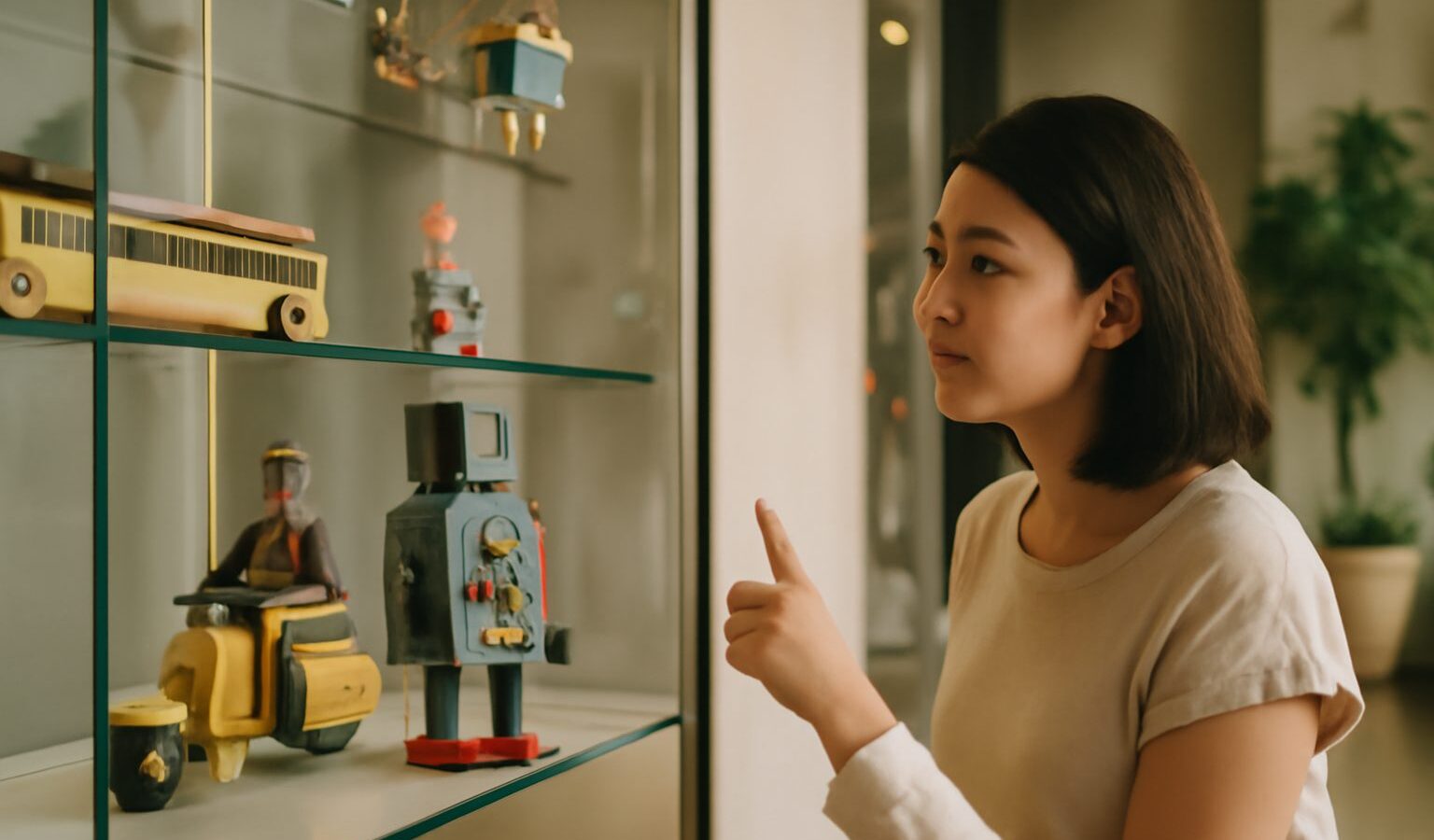
The Mint Museum of Toys in Singapore is a delightfully different kind of museum, a tall, narrow building packed with vintage toys, character collectibles and everyday objects from decades past. Its name, MINT, stands for Moment of Imagination and Nostalgia with Toys, and that spirit runs through every floor. This guide covers what the museum is, what you can expect to see, how to plan a visit, and why a collection of playthings has a real place in Singapore’s heritage landscape.
What the Mint Museum of Toys Is
The Mint Museum of Toys is a privately founded museum built around an extensive personal collection of vintage toys and collectibles gathered from around the world. Rather than focusing on a single country or era, it celebrates the shared culture of childhood and play across the twentieth century, with objects that many visitors will recognise from their own upbringing or their parents’ generation.
The building is part of the appeal. Set on Seah Street near the civic and Bras Basah cultural district, it is a slim, modern structure whose floors are themed to guide you through different corners of the collection. This vertical, gallery-by-gallery layout gives the museum a distinctive rhythm compared with the sprawling floors of larger institutions.
Because a private museum refreshes and rotates its displays over time, treat this guide as a general overview. For current opening hours, admission and any special exhibitions or events, check the museum’s official channels before you visit rather than relying on older listings.
What You Can Expect to See
A visit generally moves up through themed floors, each gathering a different family of toys and collectibles. The pleasure lies in recognition and surprise, spotting a character you loved as a child, or a curiosity you have never seen before. The objects span many countries and decades, so the experience feels both personal and wide-ranging.
Visitors often remember categories such as:
- Classic character and comic collectibles from the mid twentieth century
- Tin toys and mechanical playthings admired for their craftsmanship
- Space, robot and science-fiction themed toys from the postwar era
- Vintage advertising, novelties and everyday ephemera
- Rare and unusual pieces that reward a closer look
Take time to read the labels, since many objects carry stories about how they were made, marketed and played with. Look closely at the detail and condition of the older tin and mechanical toys, which reflect a craft that has largely faded. Because specific pieces are rotated and the collection evolves, treat any single item as part of a changing display rather than a permanent fixture, and simply enjoy what is on show during your visit.
Planning Your Visit
The museum sits in a walkable part of the city near the civic district, well served by public transport and close to other cultural stops, so it is easy to include in a wider day out. Because the building is compact and arranged over several floors, it suits a relaxed, floor-by-floor pace rather than a rush.
A few practical notes that tend to hold true:
- Allow an unhurried visit so you can enjoy the detail on each themed floor.
- Keep an eye on younger children near displays, as many pieces are delicate collectibles.
- Follow the photography guidance shown on site, as some areas may have restrictions.
- Wear comfortable shoes, since you will move between floors.
- Consider a weekday visit if you prefer a quieter atmosphere.
The museum can be a warm, nostalgic stop for adults and an engaging one for families, since the objects invite conversation across generations. For the freshest details on tickets, accessibility, any dining or event spaces and special programmes, rely on the museum’s current information rather than older listings.
How It Compares With Other Singapore Museums
The Mint Museum of Toys offers a lighter, more nostalgic experience than Singapore’s community heritage museums, yet it still preserves cultural memory in its own way. The table below gives a general sense of how it sits alongside a few heritage institutions, so you can plan a route that suits your mood and interests. Details evolve, so confirm specifics before visiting.
| Museum | Main focus | Typical experience |
|---|---|---|
| Mint Museum of Toys | Vintage toys and collectibles | Nostalgic, themed floors of playthings |
| Chinatown Heritage Centre | Early Chinese immigrant life | Recreated shophouse living quarters |
| Peranakan Museum | Peranakan cross-cultural heritage | Objects, textiles and family stories |
| Indian Heritage Centre | Indian and South Asian heritage | Themed galleries on migration and culture |
Read together, these museums show how heritage lives in many forms, from the deep community histories of Singapore’s founding populations to the shared, playful culture of childhood. Pairing a nostalgic stop with a community museum can make for a well-rounded and surprisingly complementary day.
Why a Toy Museum Belongs in Singapore’s Heritage Story
A collection of toys might seem light next to weighty community histories, yet it preserves something genuinely valuable. Toys capture the tastes, technologies and imaginations of their time, and they record how children around the world dreamed and played. For many Singaporeans, seeing familiar characters and playthings sparks vivid memories of their own childhood streets and shops, connecting private nostalgia to a wider cultural past.
The museum also honours craft and design history. The tin toys and mechanical pieces reflect manufacturing skills and aesthetic styles that have largely disappeared, and displaying them with care keeps that history visible. In a fast-changing city, holding on to these small artefacts of everyday life is its own quiet act of heritage keeping.
For newcomers to Singapore, the museum offers a gentle, joyful counterpoint to the more solemn community museums, and a reminder that heritage includes play, imagination and shared popular culture. For families, it is a rare space where grandparents, parents and children can find common ground in the same display case. Either way, it leaves visitors with a smile and a renewed appreciation for the small things worth keeping.
If your visit leaves you curious to explore more of Singapore’s heritage, several community museums make a natural next step. You might continue at the Chinatown Heritage Centre, discover cross-cultural history at the Peranakan Museum, or learn South Asian stories at the Indian Heritage Centre.
Explore more: Chinatown Heritage Centre, Peranakan Museum, Indian Heritage Centre.
The Mint Museum of Toys is a charming and unexpected stop in the city, generous with nostalgia and full of small wonders. Take your time on each floor, let the collection jog a memory or two, and enjoy a lighter, warmer angle on what it means to keep the past alive in Singapore.