
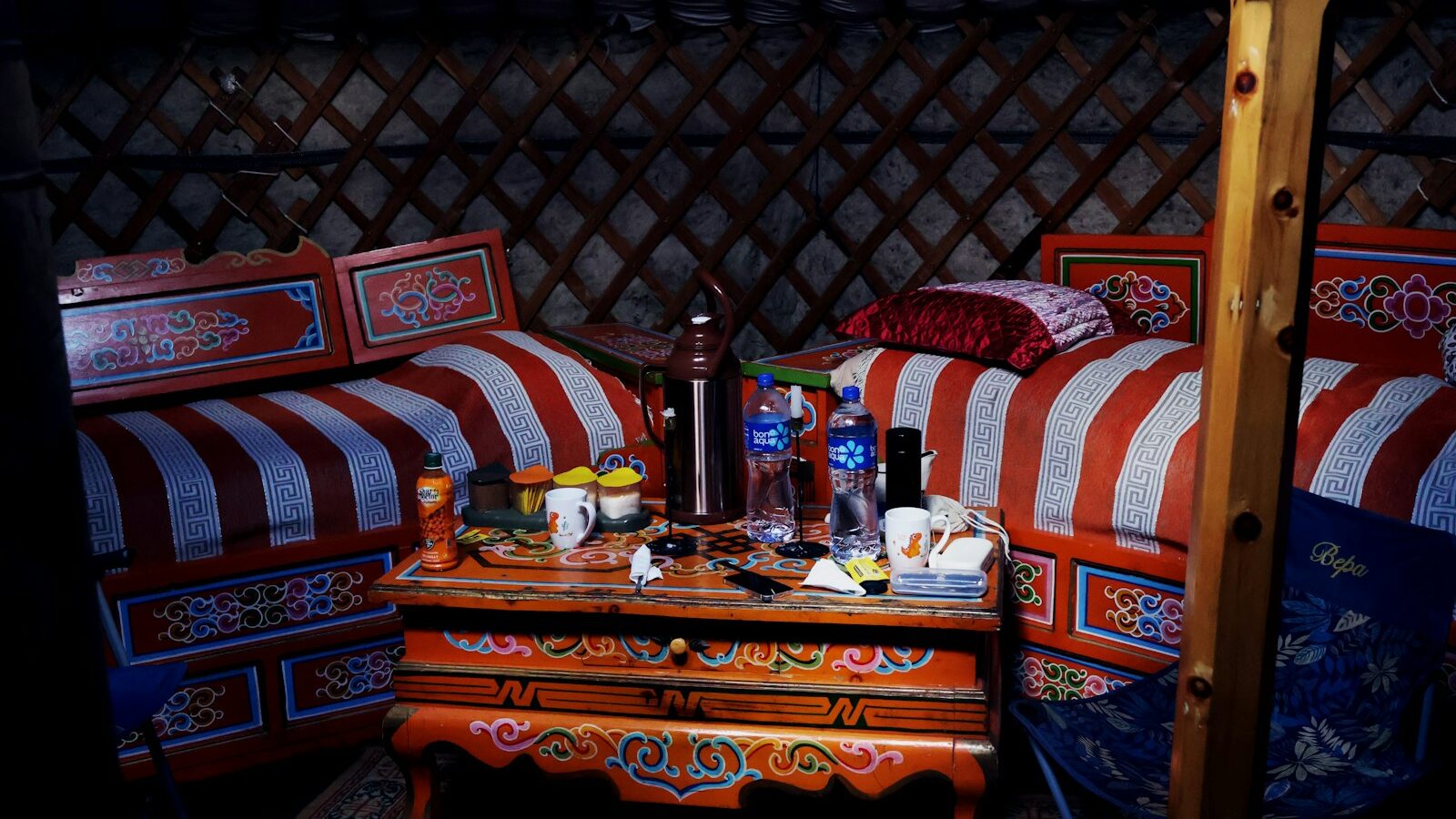
The food of the great steppe is the food of nomads, herders, and the old Silk Road, and it tastes like nowhere else. Think hearty meat and dough, warming stews, hand pulled noodles, and rice pilafs perfumed with cumin, all built to sustain people through vast open country and hard winters. Mongolian food singapore diners are curious about sits within this wider Central Asian family, alongside the cooking of Uzbekistan, Kazakhstan, Kyrgyzstan, and their neighbours. This guide introduces the flavours and is honest about how rarely you will find them here.
First, a clear expectation. This is one of the most niche cuisines in Singapore. Genuinely Mongolian or Central Asian restaurants are very few, and you should not confuse them with the popular Mongolian barbecue stir fry counters, which are a separate, largely invented format rather than traditional steppe cooking. To taste the real thing, you will likely rely on a rare specialist, a community event, or a home cook, so always search current listings before setting out.
Mongolian Cooking: Meat, Dough, and Dairy
Traditional Mongolian food is shaped by a landscape where crops are hard to grow and livestock is everything. Mutton and beef dominate, and dairy in many forms is central to daily life. The dishes are simple, filling, and unfussy, designed to nourish rather than dazzle.
The one to know is buuz, steamed dumplings filled with minced mutton or beef and plenty of onion, eaten by the plateful especially around the Lunar New Year celebration. Khuushuur are the fried cousin, flat meat pastries crisped in oil. Tsuivan is a stir fried dish of hand cut noodles with meat and a few vegetables, hearty and satisfying. For something truly traditional, khorkhog is mutton cooked with hot stones, a celebratory dish more likely to appear at a gathering than a restaurant.
Mongolian dairy deserves a mention because it is unlike anything in Southeast Asian cooking. There are dried curds, fresh cheeses, clotted cream skimmed from boiled milk, and fermented mare milk, all reflecting the herding life. Milk tea, often savoury and salted rather than sweet, is the everyday drink. It can surprise a first timer, but it makes sense the moment you understand the climate it comes from.
Central Asia and the Silk Road Table
Move west across the steppe and the Silk Road influence grows richer. Central Asian cooking is where nomadic meat traditions meet the spices and rice of the old trade routes, and it is arguably more approachable for a newcomer than pure Mongolian fare.
The signature dish of the region is plov, also called osh, a fragrant rice pilaf slow cooked with lamb, carrot, onion, cumin, and often chickpeas or raisins. In Uzbekistan it is a point of national pride, cooked in huge cauldrons for weddings and gatherings, and it is the single best introduction to the cuisine. Manti are large steamed dumplings, bigger and juicier than their Mongolian relatives, usually filled with lamb and onion and topped with yoghurt. Lagman is a noodle dish of hand pulled strands in a spiced meat and vegetable sauce, showing a clear link to the noodle cultures further east.
Around these sit grilled skewers of marinated lamb called shashlik, samsa, which are flaky baked pastries stuffed with meat and onion, and rounds of tandoor baked bread called non that anchor every meal. The flavours lean on cumin, coriander seed, dill, garlic, and yoghurt, warming rather than fiery. If you enjoy this style of spiced, grilled, generously portioned food, our guide to Middle Eastern food in Singapore covers a neighbouring tradition that shares many of the same ingredients and techniques.
Ordering, Allergens, and the Reality of Finding It Here
For a first meal, keep it classic. Order plov as your centrepiece, add a plate of manti or buuz to share, and if skewers are available, get some shashlik for the grilled, smoky contrast. A round of non bread and a simple tomato and onion salad round things out nicely. Finish with milk tea if you want the full experience, though be ready for the savoury, salted style.
On allergens and diet, this cuisine is heavy on wheat in the dumplings, noodles, breads, and pastries, and dairy features strongly, especially in Mongolian food. Mutton, lamb, and beef are the main meats, and because pork is largely absent across much of Muslim majority Central Asia, some dishes may be halal, but this genuinely varies by outlet and you should always confirm rather than assume. Nuts and dried fruit appear in some plov and dessert recipes.
The honest bottom line is that these are rare cuisines in Singapore, and dedicated outlets are scarce and can be short lived. Follow community pages and specialist pop ups, be flexible about timing, and treat a real plate of plov or a plate of steaming buuz as a genuine find. If your search comes up short, the broader spread in our best restaurants in Singapore guide will keep you well fed while you wait for the steppe to come to town.