
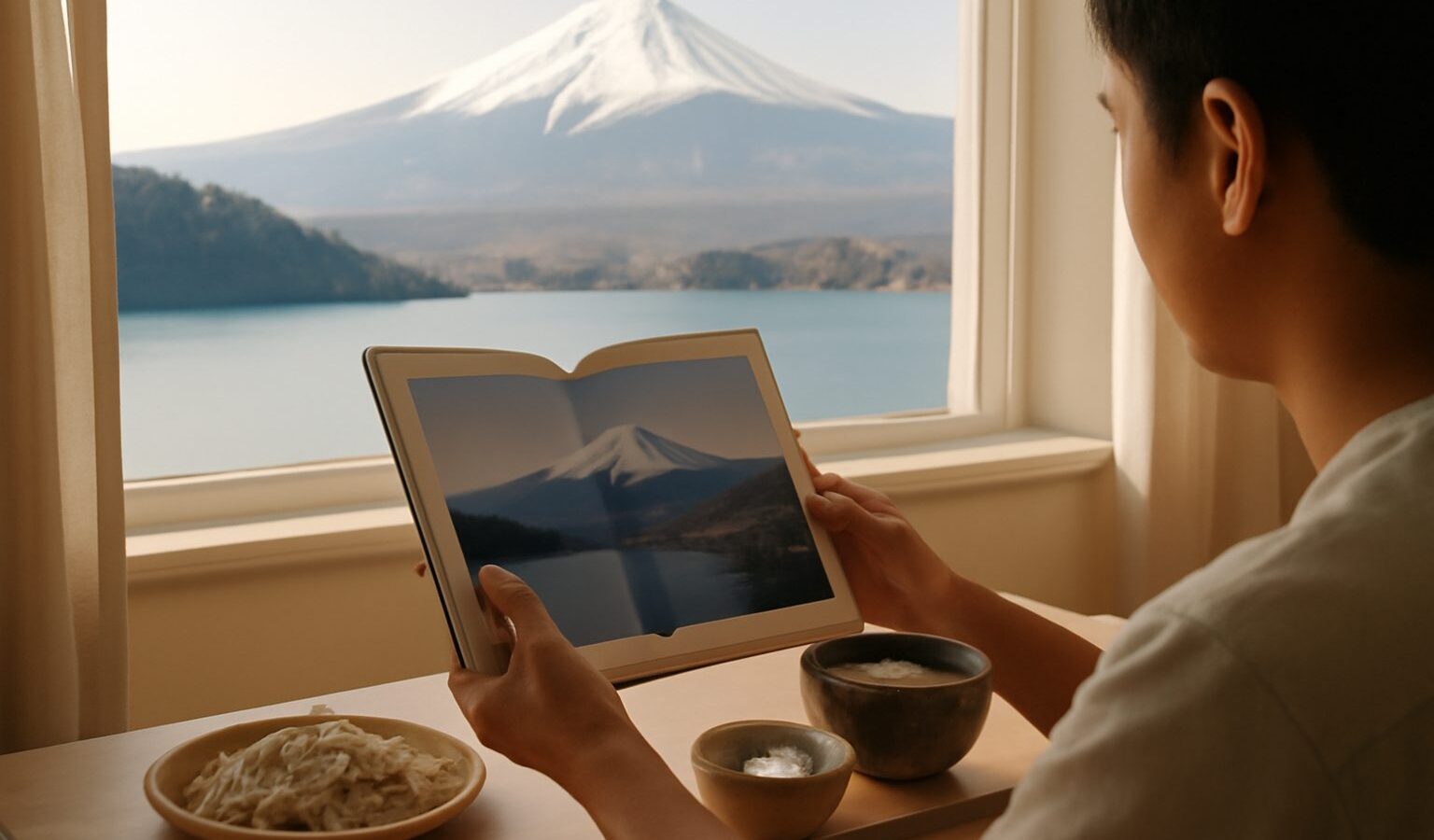
Few sights in Japan stir the imagination like a snow capped Mount Fuji rising above a still lake, and few regions pair that view with such easy comfort as Hakone, with its steaming hot spring inns just down the road. Planning a trip to Mount Fuji and Hakone from Singapore is more approachable than many travellers expect, because both sit within a short train ride of Tokyo. This guide walks you through getting there, when to go, what to see, where to soak, and how to eat well, all from a Singapore planner’s point of view.
Think of this as a scenic add on to a Tokyo holiday rather than a standalone destination. Most Singaporeans fly into a Tokyo airport, spend a few days in the city, then break away for the mountains and the onsen. It is a natural pairing, and the contrast between neon Tokyo and misty Fuji makes the trip feel like two holidays in one.
Getting There From Singapore
There is no airport at the foot of Fuji, so the journey begins with a flight to Tokyo. Direct flights from Changi to Tokyo take roughly seven hours, with both full service and budget carriers competing on the route, so fares swing widely by season. Check current prices, as peak periods like the year end and cherry blossom season push them up.
From Tokyo, the Fuji and Hakone region is a day trip or overnight escape rather than a long haul. For Hakone, trains run from Shinjuku toward the Hakone gateway town of Hakone Yumoto in around ninety minutes, and a regional pass covers the charming mix of mountain trains, cable cars, ropeways and pirate style sightseeing boats that make getting around part of the fun. For the Fuji Five Lakes area around Lake Kawaguchiko, express trains and highway buses from Shinjuku reach the lakeside in roughly two hours.
For visas and entry, Singapore passport holders should check the latest requirements with the Japanese embassy and with ICA before booking, as rules can change. For safety guidance, refer to MFA travel advisories.
Best Time to Visit
Fuji is famously shy. It hides behind cloud for much of the warmer, more humid months and reveals itself most reliably in the clear, cold air of the cooler season. That is the trade off to weigh: the crispest views come when temperatures are low, so pack layers Singaporeans rarely need at home.
The seasons each offer something different, and your ideal window depends on whether you prioritise clear Fuji views, mild weather, or scenery.
| Season | Rough months | Fuji view odds | What to expect |
|---|---|---|---|
| Spring | March to May | Moderate | Cherry blossoms around the lakes, mild days, busy crowds |
| Summer | June to August | Lower | Green slopes, official climbing window, more haze and cloud |
| Autumn | September to November | Good | Red maple leaves, comfortable air, clear mornings |
| Winter | December to February | Best | Snow capped peak, sharpest views, cold and quiet |
If climbing to the summit is your goal, note that the official climbing season is limited to the warmer months when the trails and mountain huts are open. Most visitors, though, come to admire Fuji from below rather than to scale it.
Top Things to See and Do
Around Lake Kawaguchiko, the classic experience is simply chasing the reflection of Fuji on calm water in the early morning. Lakeside parks, a ropeway up a nearby ridge, and seasonal flower fields all frame the peak beautifully. Photographers love the pagoda viewpoint on the hillside, where a five storey tower, cherry blossoms and Fuji can line up in a single frame.
Hakone leans into relaxation and art. The region is dotted with open air sculpture parks, glass and craft museums, and gardens, all set against forested slopes. Ride the ropeway over the Owakudani valley, where sulphur vents hiss and steam, and try the region’s curious black eggs, hard boiled in the volcanic waters and said to be lucky. Cross Lake Ashi on a sightseeing boat for a shot of the lakeside shrine gate standing in the water, with Fuji behind it on a clear day.
Families will enjoy the theme parks and hands on museums scattered across the Fuji foothills, while couples tend to gravitate toward quiet ryokan stays and slow onsen afternoons.
Where to Stay
You have two broad bases. Staying lakeside near Kawaguchiko puts you closest to the postcard Fuji views and works well for a photography focused visit. Staying in Hakone surrounds you with hot spring inns and museums and suits a slower, more indulgent pace.
For accommodation types, a traditional ryokan with tatami rooms, multi course dinners and private or shared onsen baths is the signature Hakone experience. Simpler guesthouses and lakeside hotels around Kawaguchiko offer better value and Fuji facing rooms. Booking ahead matters here, especially on weekends and in the clear cool season, as the best rooms go early.
A gentle heads up on onsen etiquette: bathing is done without swimwear after a thorough wash, and guests with tattoos should check each property’s policy in advance, as some inns still restrict them.
Food and Dining
Regional eating is hearty and warming, which fits the mountain air. Look for hot pot style dishes, fresh soba noodles, grilled river fish, and the famous Owakudani black eggs. Lakeside towns serve local trout and seasonal vegetables, and a hot bowl of noodles after a cold morning by the water is hard to beat.
Halal and vegetarian travellers should plan ahead, as dedicated halal restaurants are limited outside the big cities. Stock up on certified options in Tokyo, look for vegetable forward soba and tofu dishes, and consider a ryokan that can prepare dietary aware meals if you notify them when booking. Convenience stores are everywhere and useful for checking ingredient labels and topping up snacks.
Getting Around and Practical Tips
Within the region, a regional pass is your friend, bundling the trains, buses, cable cars, ropeway and boats into one ticket that also nudges you toward the scenic loop. Services are punctual and well signed in English, so first timers cope easily.
A few practical notes for Singapore travellers. The currency is the Japanese yen, and while cards are widely accepted in cities, carry some cash for rural buses and small eateries. English is limited in the countryside, so a translation app helps. The region is very safe by regional standards, but always keep an eye on weather, as clouds can roll in fast and cancel a Fuji view. Budget wise, expect Japan to run pricier than a typical Southeast Asian getaway, though hostels, convenience store meals and rail passes keep costs manageable. For any health precautions before travel, see a doctor or travel clinic.
Explore more
If you are building a wider Japan itinerary, pair this mountain escape with the temples and geisha districts of Kyoto from Singapore, or add the day trip shrines of Nikko from Singapore, another easy break from Tokyo. History minded travellers can also read our guide to Hiroshima from Singapore to round out a longer trip.