
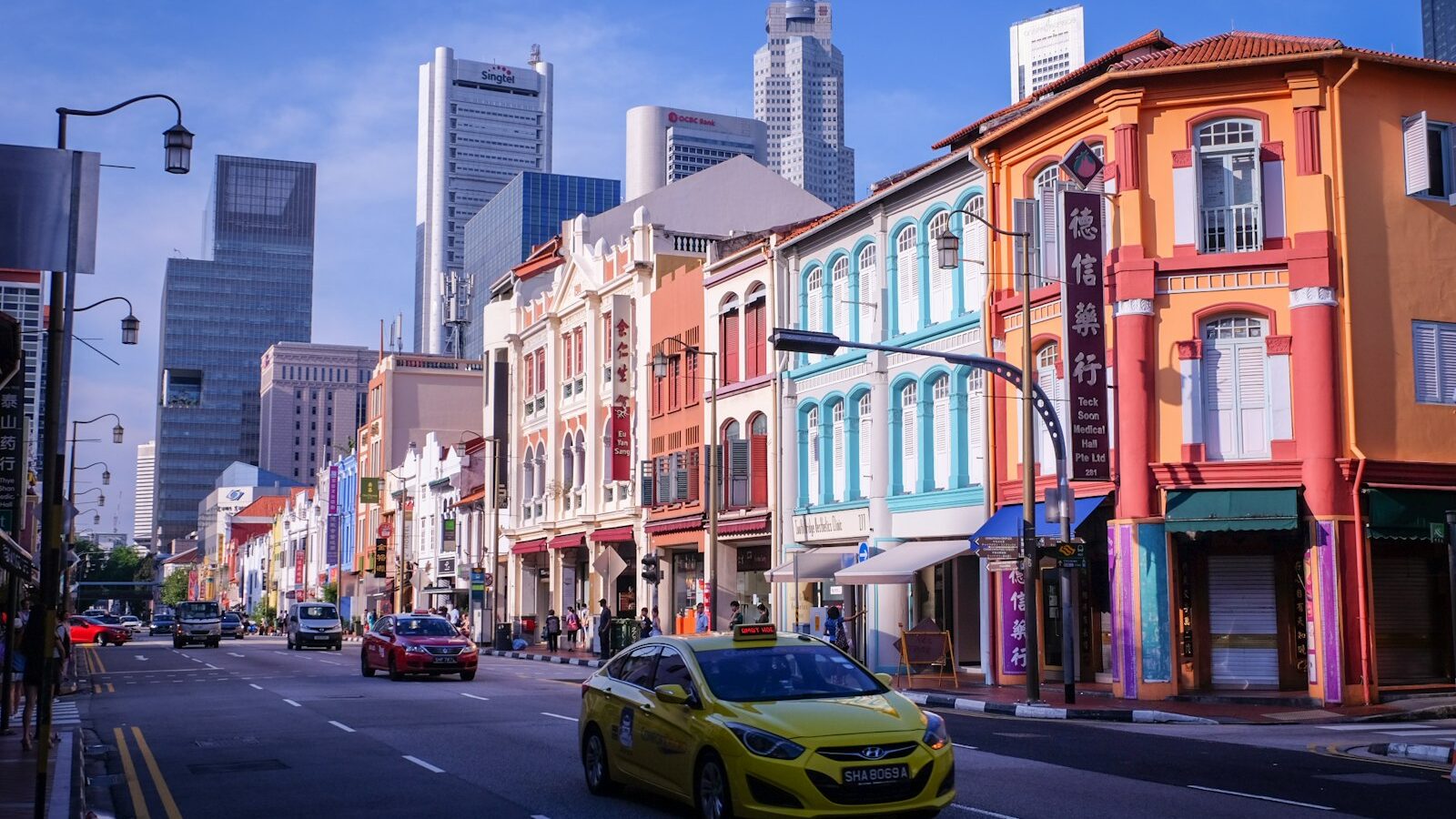
Choosing to move to Singapore from China is a big, exciting step, and in many ways a gentle one. Mandarin is widely understood here, the food is familiar, the streets are safe, and the schools are strong. Yet Singapore is its own place, with its own habits and rules. This guide is written for new arrivals from the mainland, part of the growing wave sometimes called the xin yimin, to help you settle in with confidence and a little less guesswork.
Why Singapore feels close to home
Many people relocating from China are surprised by how quickly they feel at ease. Roughly three in four residents are of Chinese heritage, so hearing Mandarin at a hawker centre, a clinic, or a shop counter is completely normal. You will find hotpot, la mian, dim sum, and regional dishes without much searching.
A few things stand out for most newcomers:
- Language comfort. Mandarin is one of the four official languages, and many older residents speak dialects such as Hokkien, Teochew, and Cantonese.
- Safety. Low crime means you can walk home late or let older children travel on their own.
- Education. The school system is respected worldwide, and international schools are an option too.
- Culture and festivals. Lunar New Year, Mid-Autumn, and Qingming are all marked here, alongside Malay, Indian, and Western celebrations.
For the wider Chinese immigrants Singapore already hosts, this blend of the familiar and the new is exactly the appeal.
How daily life differs from China
Singapore will also ask you to adjust a few habits. None of this is difficult, but knowing it early saves surprises.
Rule of law and fines. Rules here are enforced evenly, and small infractions carry real penalties. Littering, jaywalking, eating or drinking on the MRT, and smoking outside designated areas can all lead to fines. Think of it less as strictness and more as everyone agreeing to keep shared spaces pleasant.
English is the working language. While Mandarin is everywhere socially, official forms, workplaces, contracts, and government services run mainly in English. You can manage day to day with Mandarin, but improving your English will open doors at work and in admin.
No single super-app. In China, WeChat handles chat, payments, bookings, and more. Singapore spreads these across separate apps. That feels fragmented at first, then quickly becomes second nature.
Cleaner air and green surroundings. Many arrivals notice the air quality and the sheer number of parks and tree-lined roads straight away.
A smaller footprint. Singapore is a compact city-state. You can cross the island in about an hour, which makes commuting and weekend plans simple.
Practical first steps after you arrive
Getting set up follows a fairly predictable order. Here is a sensible sequence for your first couple of weeks.
- Sort out your pass. Whether you hold an Employment Pass, S Pass, Student Pass, or a Dependant’s Pass, your legal status shapes everything else. Your employer or school usually guides the application. Always confirm the current requirements with the Ministry of Manpower (mom.gov.sg) and the Immigration and Checkpoints Authority (ica.gov.sg).
- Open a bank account. Local banks let you receive your salary and connect to everyday payments. Bring your pass, passport, and proof of address.
- Get a local SIM. A local mobile number is needed for almost every app and service. Prepaid SIMs are easy to buy on arrival; postpaid plans come later once you have a pass.
- Set up PayNow. This links your phone number to your bank account so you can send and receive money instantly. It is the closest thing to the cashless life you knew back home.
- Register for digital government access. Once eligible, a Singpass account lets you handle official matters online.
- Find your community. Clan associations, university alumni groups, and neighbourhood chat groups help you land softly.
Quick tip: keep digital and paper copies of your passport, pass approval letter, and tenancy agreement. You will be asked for them more often than you expect in the first month.
Money and payments, the Singapore way
Cash still works, but most people rarely use it. PayNow, contactless cards, and QR codes cover almost everything, from hawker stalls to taxis. Tap-and-go on the MRT and buses uses your contactless bank card or phone. You will not need to top up a physical transport card unless you prefer to.
Internet and apps: life beyond the Great Firewall
One of the first differences you will feel when you move to Singapore from China is the open internet. There is no Great Firewall, so Google, YouTube, Instagram, and international news load normally. Your usual mainland apps still work too, so you do not have to give anything up.
That said, the locally popular apps differ, and picking up a few will smooth daily life:
- Messaging: WhatsApp and Telegram are the norm for friends, colleagues, and community groups. WeChat still connects you to family back home.
- Getting around: map and ride-hailing apps handle navigation and taxis, while transport apps show live bus timings.
- Food and shopping: food-delivery and marketplace apps are widely used, and grocery delivery is reliable.
- Payments: your banking app plus PayNow covers most transfers.
A practical move is to keep your China apps for home ties and add the local set for life here. Within a few weeks you will switch between them without thinking.
Settling in culturally
Adjusting is as much about mindset as logistics. A few gentle observations from those who have relocated from china before you:
- Queue and give space. Orderly lines and a quieter public manner are the norm.
- Return your tray. At hawker centres and food courts, clearing your own table is expected and now required in many places.
- Small talk in many tongues. You will hear Singlish, a lively mix of English with Malay, Hokkien, and Mandarin words. Do not worry about mastering it; understanding a few phrases is plenty.
- Respect the mix. Singapore is proudly multicultural. A little curiosity about your Malay and Indian neighbours goes a long way.
Homesickness is normal, especially in the first months. Cooking a familiar dish, joining a weekend group activity, or visiting a temple or association can help you feel rooted while you build a new routine.
Quick checklist for your first month
- Confirmed pass status and kept the approval documents safe
- Bank account opened and salary crediting set up
- Local SIM active and PayNow linked
- Singpass registered where eligible
- Home internet and utilities arranged
- Downloaded local messaging, maps, transport, and delivery apps
- Found at least one community or interest group
Moving countries is never only paperwork; it is a slow, rewarding change of scenery and routine. Take the official steps carefully, lean on the community around you, and give yourself time. Singapore has welcomed generations of arrivals from China, and there is a comfortable, familiar corner here waiting for you too.
Explore more: Moving to Singapore checklist · The Chinese community in Singapore · Singapore work pass guide