
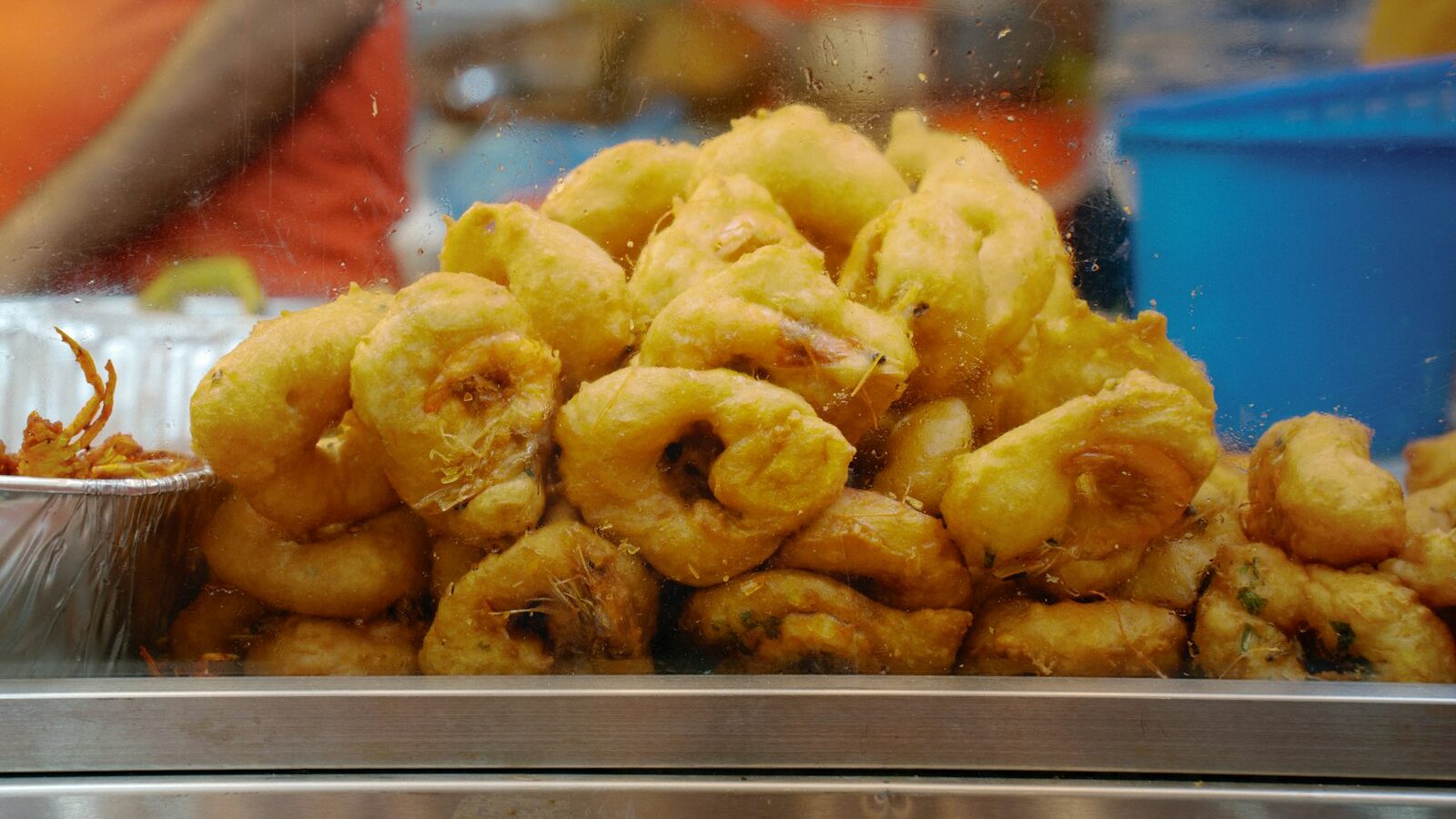
A beloved part of local culture, the pasar malam, or night market, brings food, finds and a lively atmosphere to neighbourhoods across Singapore. If you have caught the smell of frying batter and grilled satay drifting across an HDB car park in the evening, you have found one. This guide to the pasar malam singapore residents grew up with covers what it is and where it came from, the food and goods you will find, how to plan a visit, the festive bazaars that scale the idea up, and answers to the questions newcomers ask most.

What is a pasar malam?
A pasar malam, meaning night market in Malay, is a temporary market of stalls that pops up in a neighbourhood, usually in the evenings, selling food, goods and treats amid a lively, festive atmosphere. It typically runs for a limited spell, often a few weeks to about a month, before packing up and reappearing somewhere else, which is part of the charm: a pasar malam feels like an event, not a fixed shop.
The tradition has deep roots in the region. Travelling traders once set up temporary stalls wherever crowds gathered, and the format carried through into modern Singapore, where organisers now rotate markets around housing estates so different neighbourhoods get a turn. Today a pasar malam is as much a social occasion as a shopping trip. Families stroll through after dinner, teenagers meet up for supper, and older residents enjoy the nostalgia of a scene that has changed surprisingly little over the decades.
The food and finds
The heart of the experience is the eating. Stalls line up wok burners, grills and deep fryers, and the aromas do most of the marketing. While the exact line-up changes from market to market, some items turn up again and again.
- Ramly-style burgers and other griddled snacks, cooked to order and wrapped in paper.
- Grilled satay and other skewers, smoky from the charcoal.
- Traditional kueh and Malay sweets, such as ondeh ondeh and kueh lapis.
- Muah chee, warm glutinous rice pieces rolled in ground peanut and sugar.
- Vadai, the savoury Indian fritter often sold by the ring.
- Tornado potato, takoyaki, roasted chestnuts and other novelty or trendy snacks.
- Sweet treats such as cotton candy, dragon beard candy and, in season, durian-based desserts.
Beyond food, the stalls sell an eclectic mix of goods, often at bargain prices, which brings a treasure-hunting element. Common finds include phone cases and accessories, socks and clothing, kitchen gadgets, household items, toys, and even small potted plants. Quality varies, so browse with the same cheerful scepticism you would bring to any market bargain: inspect before you buy, and haggle politely where it feels appropriate. If the hunt for a bargain is what draws you, our guide to flea markets in Singapore covers the other side of the second-hand and craft scene.
Where and when to find one
Because pasar malam rotate, there is no single permanent location. Markets are commonly held in the open spaces of housing estates, such as car parks and plazas near MRT stations and town centres across the island, and they move on a schedule set by the organisers. The practical upshot is that you should check where one is on before making a trip, rather than assuming your nearest estate has one running this week. Community noticeboards, neighbourhood chat groups and local listings are the usual way people find out.
Evenings are when a pasar malam comes alive, so aim to arrive after the working day, when stalls are fully set up and the crowd builds. Weekends are busiest. If you would rather build a whole outing around it, pair a visit with our ideas for planning a great night out in Singapore.
Where pasar malam usually pop up
No two years follow exactly the same calendar, but the same heartland towns come up again and again in recent listings. As of late 2026, these are the places most people search for:
- Punggol: a regular stop, usually near Punggol Central, and one of the most searched night markets in the northeast.
- Tampines: the open field beside Tampines MRT station has hosted month-long markets, and Our Tampines Hub has run a Ramadan bazaar.
- Hougang: Hougang Central hosted a market from mid-July to mid-August 2026.
- Pasir Ris: best known for its large bazaar during Ramadan, which ran from February to March in 2026.
- Geylang Serai: the biggest Ramadan bazaar of all, covered in the festive section below.
Recent markets have tended to stay in one place for about four weeks before moving on. To find a pasar malam in Singapore right now, check the monthly roundups published by local food and lifestyle sites, the social media pages of event organisers, and your town council or community club notices. Markets are often announced only a few weeks ahead, so a listing from last year is a hint, not a promise.
At a glance: what to expect
| Element | What it offers | Good to know |
|---|---|---|
| Street food | Local snacks, grilled skewers, kueh and hot food | Come hungry; portions are made for grazing |
| Goods and finds | Accessories, clothing, gadgets, toys, plants | Inspect before buying; prices are often negotiable |
| Festive treats | Seasonal and special foods tied to celebrations | Bazaars during festivals are larger and busier |
| Atmosphere | Buzzing, aromatic, nostalgic and family-friendly | Evenings and weekends are liveliest |
| Payment | Cash still preferred at many stalls | Some now accept scan-to-pay, but do not rely on it |
Tips for visiting
A little preparation turns a good visit into a great one.
- Go in the evening and come hungry. The food is the highlight, and grazing across several stalls beats filling up at the first one.
- Bring cash in small notes. Many stalls prefer it, and change moves faster during a rush. Some accept scan-to-pay, but treat that as a bonus rather than a guarantee.
- Expect crowds. Popular and festive markets get packed, so be patient, keep an eye on children, and mind your belongings.
- Dress for the weather. Evenings are warm and you will be on your feet, so wear something comfortable and breathable.
- Check timing and location first. Since markets are temporary and move around, confirm the dates before you travel.
- Plan your journey home. If you stay late, look at late-night transport options in Singapore so you are not caught out after the last train.
Photographers will find plenty to work with in the glow of the stalls; our tips on photographing markets and hawker centres help you capture the buzz without getting in anyone’s way.
Festive bazaars: the pasar malam scaled up
Beyond the regular neighbourhood market, Singapore also hosts larger, more elaborate festive bazaars during major celebrations, which take the night-market concept to a grander scale. During the Ramadan period, the Geylang Serai bazaar draws big crowds for food, fashion and festive goods, while around Chinese New Year the streets of Chinatown fill with a seasonal market of decorations, snacks and gifts. These bazaars run for a defined season, feature a wider array of food and goods than a typical pasar malam, and add decorations, lights and a heightened celebratory mood. They are a wonderful way to soak up the spirit of a particular festival, and you can find more seasonal ideas in our guide to Chinese New Year things to do.
How a pasar malam differs from other markets
Newcomers sometimes lump all Singapore markets together, but they serve different purposes. A pasar malam is an evening market focused on street food, snacks and inexpensive goods, and it is temporary. A wet market, by contrast, runs in the daytime and sells fresh produce, meat and seafood for home cooking; if that is what you are after, see our wet markets guide. And if it is simply late-night food you want on a night when no pasar malam is on, our roundup of late-night and 24-hour eats has you covered.
Frequently Asked Questions
How do I find out where a pasar malam is happening?
Markets rotate around housing estates on a schedule set by organisers, so check community noticeboards, neighbourhood chat groups and local listings rather than assuming your nearest estate has one this week.
Do pasar malam stalls take card or scan-to-pay?
Cash in small notes is still the safest bet, as many stalls prefer it. Some now accept scan-to-pay, but availability varies from stall to stall, so do not rely on it.
What time should I go?
Evenings, after the working day, are when stalls are fully set up and the atmosphere is best. Weekends are the busiest, which is lively but crowded.
Is a pasar malam the same as a Ramadan or Chinese New Year bazaar?
They share the same night-market spirit, but festive bazaars such as Geylang Serai during Ramadan or Chinatown around Chinese New Year are larger, tied to a specific celebration, and run for a defined season with more decorations and a bigger range of goods.
Is it suitable for families and children?
Yes. A pasar malam is family-friendly and draws locals of all ages. Just keep an eye on children in the crowds and mind your belongings during busy periods.
Is there a pasar malam on in Singapore right now?
Most likely, somewhere. Neighbourhood markets run through much of the year, with extra festive bazaars around Ramadan, Hari Raya and Chinese New Year. Because locations change month to month, check a current monthly roundup or organiser page rather than an old article before you head out.
How long does a pasar malam stay in one place?
Recent heartland markets have typically stayed for about three to four weeks, while festive bazaars run for the length of the festive season. Weekday evenings are the quietest time to visit.
Are the Punggol, Tampines and Hougang markets held every year?
These towns host markets regularly, but dates and exact sites depend on the organiser and approvals each year, so treat past dates as a guide only.
The takeaway
The pasar malam is a lively, temporary night market of street food, bargain finds and festive energy, and a genuinely local slice of Singapore life. Larger seasonal bazaars extend the same spirit during major celebrations. The keys to a great visit are simple: go in the evening, come hungry and cash-ready, embrace the bustle, and check the timing and location first, since these markets are always on the move. Approached that way, a pasar malam is a fun, flavourful and quintessentially local experience.
Explore more: Flea markets in Singapore and the Little India heritage guide.
Further reading: The Ramly Burger: Singapore’s Pasar Malam Classic