
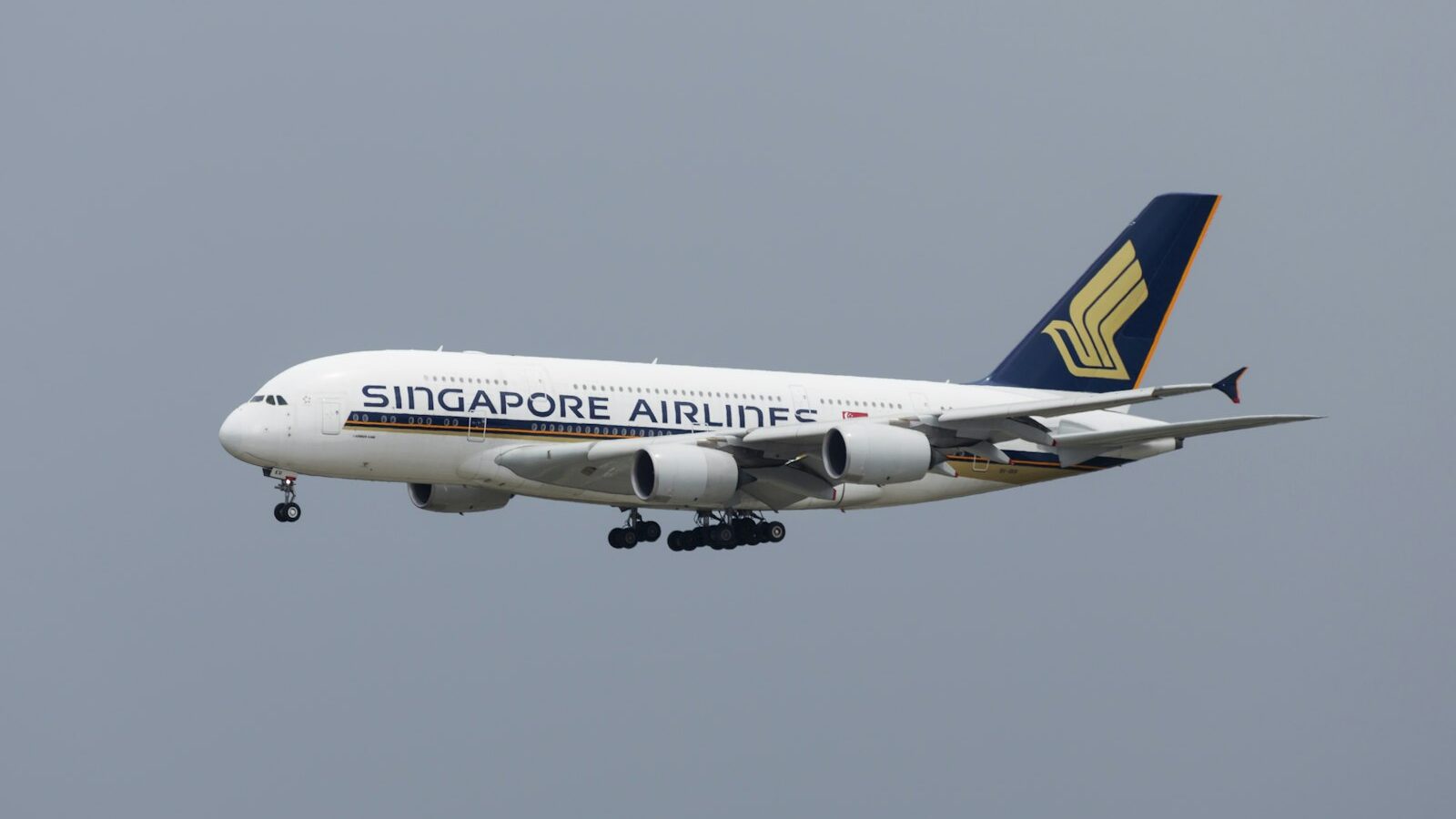
There is a particular kind of peace in watching a widebody jet drop out of the sky, flaps extended, wheels down, and settle onto the runway with a puff of tyre smoke. Plane spotting is the hobby of watching, identifying and often photographing aircraft, and it is one of the easiest hobbies to start in Singapore. You do not need expensive gear, a studio, or even a plan. You need a comfortable spot, a little patience, and curiosity about the machines passing overhead.
Singapore is a brilliant place for it. Changi is one of the busiest airports in the region, so the variety of airlines, liveries and aircraft types is enormous, and nearby Seletar Airport adds smaller propeller aircraft and business jets. This guide covers what the hobby involves, where to watch safely and legally, what gear helps, and how to meet other spotters here.
What Plane Spotting Actually Is
At its simplest, plane spotting means noticing aircraft and learning to tell them apart. Some people keep logs of the registrations they have seen, the way a birdwatcher keeps a list. Others chase specific goals: a rare visiting airline, a special commemorative livery, the first arrival of a new aircraft type, or a retiring old workhorse. Many spotters photograph what they see and share it online.
The appeal is layered. There is the simple calm of watching something graceful and enormous move through the air. There is the gentle puzzle of identification: is that an Airbus A350 or a Boeing 787, and how can you tell at a glance? And there is a real community, both online and in person, that is welcoming to newcomers. You can dip in for twenty minutes on a lazy afternoon or plan a whole morning around a rare arrival, so it scales to whatever time and energy you have. It is also one of the cheapest hobbies going: if you own a phone, you can start today.
Where to Watch in Singapore
You do not need special access. Singapore has excellent public vantage points, and staying in public, permitted areas is the single most important rule of the hobby. Do not trespass, do not climb fences, and never enter security-restricted airport zones or operational areas. Be mindful that photography near security-sensitive infrastructure can draw questions, so keep to obviously public spaces and be polite if approached by staff or officers.
Good starting points around the island include:
- Changi Beach Park, near the eastern end, sits close to a runway approach and is a long-standing favourite for arrivals coming in low over the water.
- Changi Airport’s public terminals and Jewel give you close static views of parked aircraft through the windows, comfortable and air-conditioned, and ideal for a hot afternoon.
- Parks and open ground near Seletar Airport let you watch smaller turboprops and private aircraft, which are easier to see up close.
- Open reservoir edges, park connectors and East Coast Park stretches under approach paths can offer surprising views; a tracking app helps you learn which way traffic is flowing on the day.
Wind direction decides which way aircraft take off and land, and that flips through the day, so a spot that is busy with landings in the morning may go quiet by evening. Part of the fun is learning these rhythms. Always check current park rules and opening hours before you go, as access and facilities change.
Gear: Starting With Nothing and Upgrading Slowly
Start with what you have. A phone is enough to identify aircraft, log what you see, and take casual photos. From there you can upgrade only if and when the hobby grabs you. There is no need to buy anything to begin, and no gear makes you a “real” spotter.
Here is a realistic view of how spotters typically build up, and what each stage is good for:
| Setup | Rough cost level | Best for | Watch out for |
|---|---|---|---|
| Phone only | Free (you own it) | Identifying, logging, casual photos, using tracking apps | Limited zoom, so distant aircraft look tiny |
| Phone plus binoculars | Low | Reading registrations and spotting detail from afar | Hard to photograph through; hand-shake at high zoom |
| Entry camera with a modest zoom lens | Medium | Sharper photos of arrivals and departures | Weight, and a learning curve on settings |
| Camera with a long telephoto lens | High | Serious aviation photography, distant or high aircraft | Cost, bulk, and heat haze on hot afternoons |
Whatever you carry, a hat, water and sunscreen matter more than you would think here. Sessions in the open sun are draining, and Singapore’s heat and humidity are no joke. Haze on hot afternoons also softens long-distance shots, so early morning light is often kinder for photography as well as comfort.
Reading the Sky: Apps and First Identifications
Modern spotting is hugely helped by flight-tracking apps that show live aircraft positions, flight numbers, aircraft types and origins on a map. Popular tools such as Flightradar24 let you point your phone at an aircraft overhead and often get an instant identification, which is the fastest way to learn. Pair the app with your own eyes and you will start recognising types without help surprisingly quickly.
A few beginner-friendly things to learn to distinguish:
- Engine count and placement. Two engines under the wings is the modern norm; four engines mark out the older or largest jets.
- Tail shape and winglets. The upturned wingtips and tail design differ between manufacturers and models.
- Nose profile. With practice, the pointed nose of one family looks clearly different from the rounder nose of another.
- Liveries. Learning airline colour schemes is half the fun and helps you spot rare visitors instantly.
Keep a simple log if you enjoy it, a notes app is fine, recording date, aircraft type, airline and registration. Over months this becomes a satisfying personal record.
Common Mistakes and Sensible Etiquette
The most common beginner mistakes are easy to avoid. People turn up at the wrong time for the wind direction and see very little; a quick app check first solves that. People underestimate the sun and give up hot, dehydrated and grumpy after an hour. And a few, sadly, wander into places they should not.
On etiquette and safety, keep it simple:
- Stay in public, permitted areas only. Do not trespass or enter restricted zones, full stop.
- Do not do anything that interferes with airport operations or security, and never point anything that could be mistaken for a threat.
- Be considerate of residents near quieter spots; keep noise down and take your litter home.
- If an officer or staff member asks what you are doing, be open and courteous. Spotting is a normal, legal hobby when done in the right places.
None of this is heavy going. Treat the environment and the people around you with respect and you will have no trouble.
Cost, Space and Fitting It Into HDB Life
Plane spotting is refreshingly kind to the small-space, budget-conscious lifestyle many of us live in an HDB flat. There is nothing to store beyond, at most, a camera bag. There is no mess, no fumes and no noise to annoy the neighbours. Your ongoing costs are basically transport to your chosen spot and the occasional cold drink.
If you catch the photography bug, spending can climb, but it never has to. Plenty of long-time spotters are perfectly happy with binoculars and a logbook, so treat gear as optional, not a rite of passage.
Finding Other Spotters and Getting Better
The hobby is more fun shared. Singapore has an active online aviation community where spotters post photos, flag rare arrivals, and share which spots are working on a given day. Look for local aviation photography and spotting groups on social platforms and forums, and you will quickly pick up tips that would take months to learn alone. Aviation events and open days at airports, when they run, are also great for meeting people.
To improve, spot regularly, review your photos and identifications honestly, and set small goals: a new type, a cleaner landing shot, a livery you have never logged. If you enjoy the quiet-outdoors side of hobbies, you might also like recreational fishing in Singapore or shell collecting and beachcombing, which share the same patient, watchful pleasure. And if you would rather turn your attention to the ground, metal detecting as a hobby scratches a similar collector’s itch.
Above all, do not overthink it. Grab your phone, check the wind, find a public spot with a clear view, and look up. The next arrival is already on its way.