
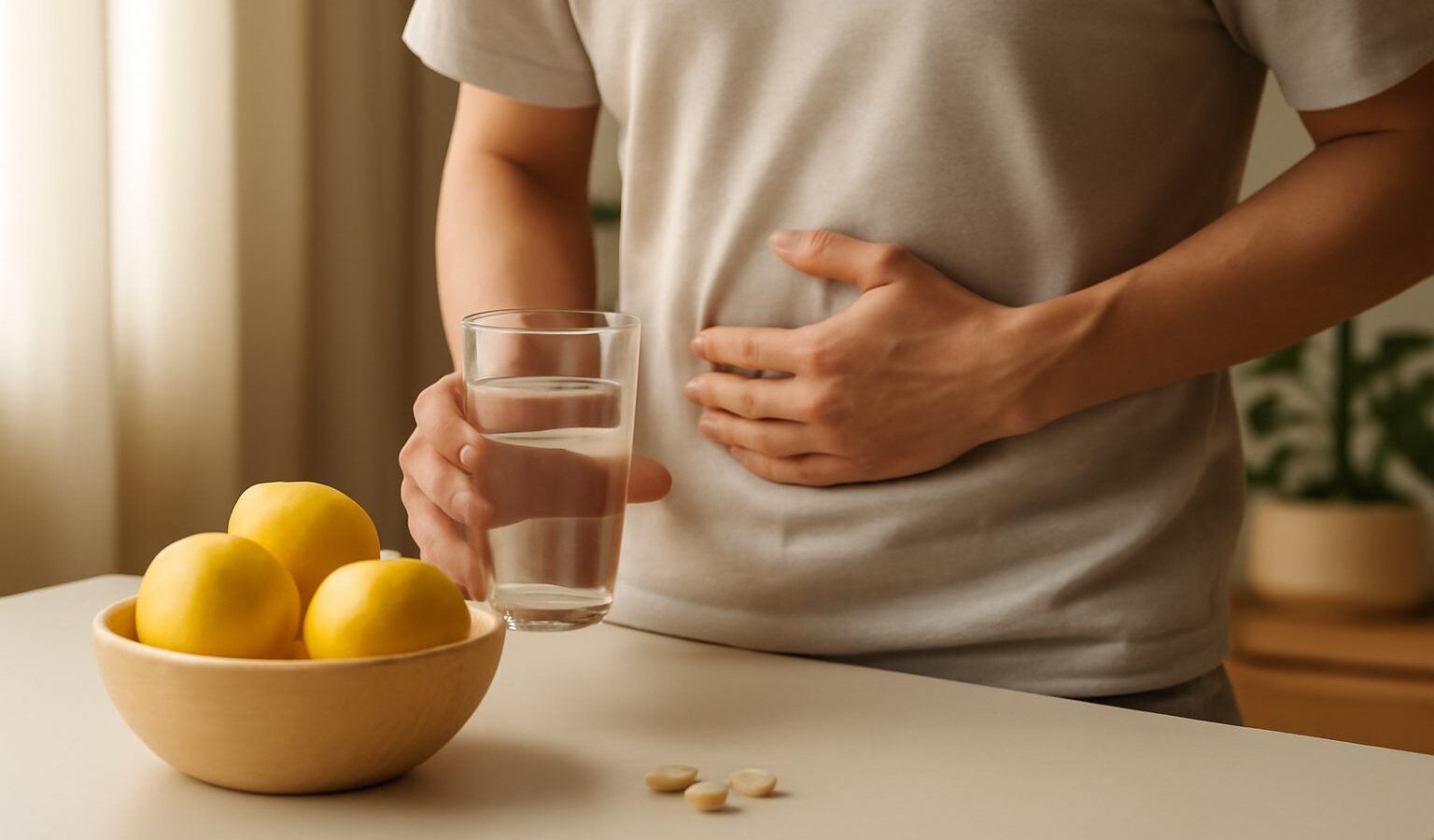
If you have ever heard someone describe the pain of passing a stone, you will understand why so many people want to avoid the experience altogether. Kidney stones in Singapore are common, and our hot, humid climate is part of the reason. When you sweat heavily and do not drink enough to replace what you lose, your urine becomes more concentrated, and concentrated urine is exactly the environment in which stones tend to form. The good news is that a few steady, unglamorous habits can meaningfully lower your risk. This article is general information to help you understand the condition and look after yourself, not medical advice or a substitute for seeing a doctor.
What Kidney Stones Are
A kidney stone is a small, hard deposit that forms inside the kidney from minerals and salts in your urine. Some stones stay put and cause no trouble. Others move into the tube that carries urine from the kidney to the bladder, and that is when people usually feel pain. The classic signs include a sharp, cramping pain in the side or lower back that can come in waves, pain that spreads towards the groin, blood in the urine, nausea, and a frequent urge to pass urine. Not everyone gets the full picture, and mild cases can be surprisingly quiet.
It helps to know that stones are not all the same. They vary in what they are made of, and that affects which prevention steps matter most for a given person. This is one reason a doctor may want to test your urine or even analyse a stone you have passed. You cannot reliably work out the type yourself, so if you have had a stone before, follow the specific guidance your doctor gives you rather than a generic checklist.
Living in Singapore adds a particular twist. The heat and humidity mean you lose fluid through sweat all day, often without noticing, whether you are walking between MRT stations, exercising outdoors, or simply sitting in a warm HDB flat. That steady fluid loss makes hydration the single most important lever most people can pull.
Everyday Habits That Lower Your Risk
Drink enough water. This is the cornerstone of prevention. The goal is pale, straw-coloured urine through the day. If yours is consistently dark, that is a signal to drink more. Keep a water bottle with you, sip regularly rather than gulping a lot at once, and top up before, during, and after exercise. In our climate you will usually need more than you think, especially on active days or when you have been out in the sun. If you have a heart or kidney condition that limits your fluids, follow your doctor’s instructions instead.
Watch your salt. A diet high in salt makes your body pass more calcium into the urine, which can encourage certain stones to form. Hawker and restaurant food, sauces, and processed snacks are often saltier than we realise. You do not need to eat blandly, but easing off the extra soy sauce, chilli sauce, and salty gravies is a sensible move for your kidneys and your blood pressure alike.
Do not skip calcium in your diet. This surprises people, because many stones contain calcium. Getting calcium from food, however, actually helps bind a substance called oxalate in the gut so less of it reaches the urine. The aim is normal dietary calcium from foods and drinks, not cutting it out. Talk to a doctor or dietitian before making big changes.
Be sensible with high-oxalate foods and sugary drinks. Some people who form oxalate stones are advised to moderate very high-oxalate foods, and cutting back on sugary soft drinks is broadly good for you. Whether you need to change anything specific depends on your stone type, so get individual advice rather than banning foods on a hunch.
Keep a healthy weight and stay active. Regular movement supports your overall metabolic health, which is linked to stone risk. You do not need anything extreme. Walking more, using park connectors, and building a simple routine all count. If you are getting started, our guide to the health benefits of walking more is an easy entry point, and staying hydrated in Singapore’s heat goes deeper on fluids.
When to See a Doctor
Kidney stones sit firmly in the category of things you should not try to diagnose or treat yourself. See a doctor if you have persistent pain in your side or back, blood in your urine, or symptoms that keep coming back. Get urgent medical care, and go to A&E or call 995 in an emergency, if you have severe pain you cannot control, fever and chills alongside the pain, vomiting that stops you keeping fluids down, or difficulty passing urine. These can point to an infection or blockage that needs prompt attention.
If you have had a stone before, you are more likely to form another, so prevention is worth taking seriously. A doctor can arrange tests, explain your particular stone type, and tailor advice to you. Because kidney health connects to your wider health, it is also worth keeping up with getting a health screening in Singapore and looking after your blood pressure over time.
A Simple Wrap-Up
Prevention here is refreshingly ordinary. Drink enough that your urine stays pale, go easy on salt, keep normal calcium in your diet, moderate sugary drinks, and stay active in a way you can sustain in the heat. None of it is dramatic, but done consistently it stacks the odds in your favour. And if pain or blood in the urine ever appears, let a doctor guide you rather than guessing on your own.