
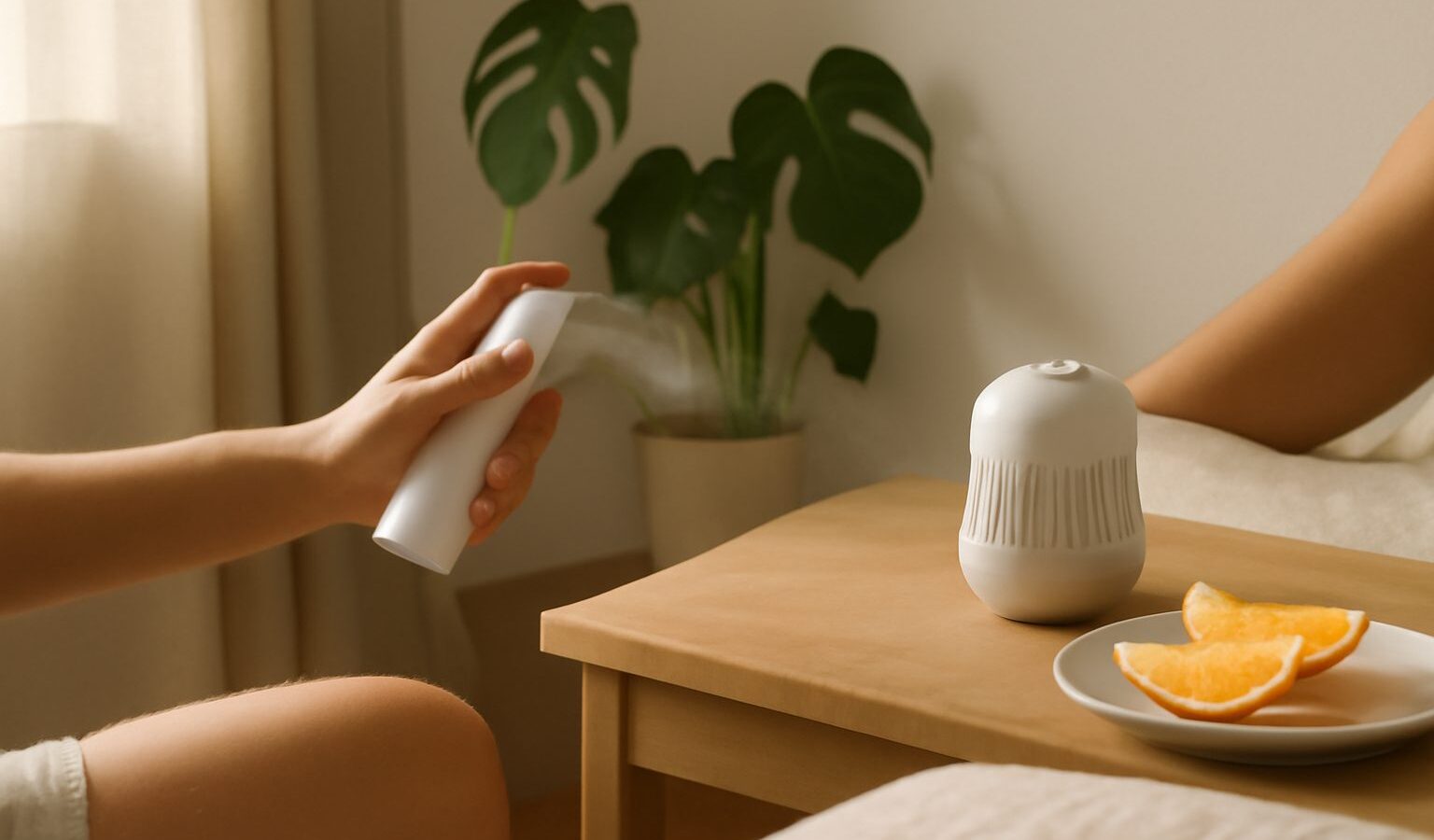
Dengue is a fact of life in our warm, wet climate, and Singapore sees cases all year with bigger waves in the hotter months. The good news is that preventing dengue in Singapore is largely in our own hands, because the Aedes mosquito that spreads it breeds in the small pockets of clean water around our homes. A little routine effort, plus knowing the warning signs, goes a long way. This is general information, not medical advice, so see a doctor if you feel unwell.
Why Dengue Matters Here
Dengue is a viral infection passed on when an infected Aedes mosquito bites you. Most people recover, but it can make you seriously ill, and a small number develop severe dengue that is dangerous. Because the same mosquito breeds close to where we live and bites mainly in the daytime, homes, void decks and workplaces are where transmission often happens.
Singapore’s approach, led by NEA, focuses on removing breeding spots and protecting yourself from bites. NEA publishes dengue cluster information and updates through the year, so it is worth checking whether your estate is in an active cluster and following any advice given.
Dengue tends to rise in the warmer, wetter stretches when mosquitoes breed and mature faster, but cases occur all year, so prevention is not something to switch on only during an outbreak. It also helps to remember that you can carry and pass on the virus even if your own symptoms are mild, which is why cutting bites protects the whole neighbourhood, not just you. Treat prevention as a steady household habit, the way you would take out the rubbish, rather than a one off spring clean.
Stop Mosquitoes Breeding at Home
The Aedes mosquito needs only a small amount of stagnant water to lay eggs, so the single most effective habit is removing standing water. NEA promotes a simple weekly routine often summarised as the Mozzie Wipeout. Build these checks into your cleaning day:
- Turn over pails, watering cans and empty containers so they do not collect water.
- Change the water in vases and bowls, and scrub the sides to remove eggs.
- Loosen hardened soil in potted plants so water does not pool on the surface.
- Tip out water from plant pot plates, or remove the plates altogether.
- Clear blocked gutters and roof drains, and cover any rarely used toilets or floor traps.
- Keep bin covers closed so rims and lids do not gather rain.
These take minutes but break the breeding cycle. Encourage neighbours to do the same, since mosquitoes travel between units, and report persistent breeding or excessive mosquitoes to NEA.
Protect Yourself From Bites
Reducing bites protects you and stops the virus spreading if you are already infected. Sensible, everyday steps include:
- Apply an insect repellent to exposed skin, choosing one with an active ingredient recognised as effective, and reapply as directed on the label.
- Wear long, loose, light coloured clothing when you can, especially around dawn and dusk and in green areas.
- Use mosquito screens on windows, or sleep under a net if mosquitoes get into the bedroom.
- Keep the home breezy, as fans make it harder for mosquitoes to land and fly.
- Be extra careful during and after any dengue cluster near you.
For babies, young children and during pregnancy, check the product label for suitability and ask a pharmacist or doctor if you are unsure which repellent to use.
If you are travelling within the region to areas with more dengue, or coming home from one, keep up the same precautions for a couple of weeks, since you could be incubating the virus. Cover up in the evenings when out at parks, reservoirs and gardens, and be mindful that HDB corridors, bin centres and shared stairwells are all places where mosquitoes rest. Small shared spaces respond well to collective effort, so a quiet word with neighbours about a mosquito hotspot often does more than any single household can alone.
Spotting Dengue and When to Worry
Dengue often starts suddenly with a high fever and can feel like a bad flu. Because the early days can look mild before turning worse, it helps to know the difference between common symptoms and the warning signs that mean you should get help fast. The table below is a guide only, not a diagnosis.
| Situation | Typical dengue symptoms | Warning signs to act on |
|---|---|---|
| Early illness | Sudden high fever, bad headache, pain behind the eyes | Fever with any warning sign below |
| Aches and rash | Muscle and joint aches, nausea, a skin rash | Severe tummy pain, repeated vomiting |
| Bleeding | Mild bleeding gums or a nosebleed | Bleeding that will not stop, blood in vomit or stool |
| Around day three to seven | Fever may drop as you feel worse | Cold clammy skin, drowsiness, restlessness, fainting |
If you develop a fever during the dengue season, see a GP or polyclinic early so they can assess you and, if needed, test for dengue. Tell the doctor if you have recently been in a dengue cluster. Avoid taking medicines that increase bleeding risk unless a doctor advises, and rest and drink plenty of fluids while you recover.
When to Seek Urgent Help
Some dengue warning signs are a medical emergency. Go to A&E or call 995 straight away if you or someone with dengue has severe abdominal pain, persistent vomiting, bleeding that does not stop, blood in vomit or stool, difficulty breathing, cold or clammy skin, extreme drowsiness or confusion, or collapses. Severe dengue can worsen quickly, often just as the fever settles, so do not wait to see if it passes. The elderly, young children, pregnant women and people with other health conditions should be watched especially closely.
Preventing dengue is a shared, everyday effort. Clear standing water weekly, protect against bites, follow NEA updates, and know the warning signs. Those simple habits keep dengue at bay and help you act quickly if it ever reaches your home.
Explore more
Feeling under the weather in our climate can have many causes, so it helps to know your body. Learn to tell everyday bugs apart in our guide to managing the common cold and flu, and since fever and heat go hand in hand here, read about staying hydrated in Singapore’s heat. A well stocked home first-aid kit also makes minor illness easier to manage.