
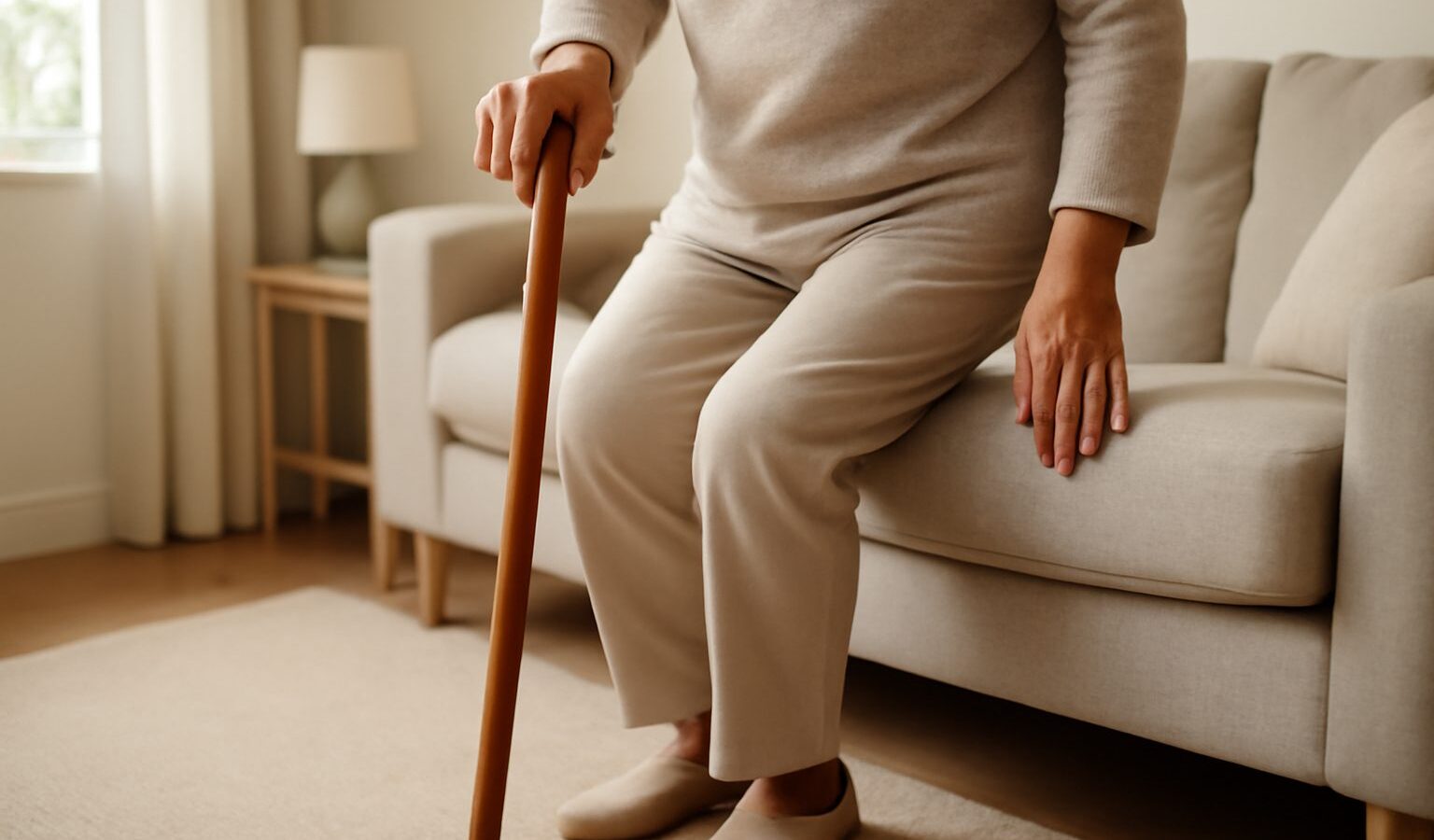
A fall can happen in a moment, yet its effects can last a long time, especially as we get older. The good news is that falls are not simply an inevitable part of ageing. Many can be prevented with a mix of staying active, making the home safer, and looking after your health. Fall prevention in Singapore is well worth thinking about for yourself or for older family members, whether you live in an HDB flat, a condo, or a landed home.
This guide offers general, practical prevention tips anyone can use. It is not a substitute for personalised advice. If you have had a fall, feel unsteady, or are worried about your balance, please see a doctor or physiotherapist for a proper balance or falls assessment, as they can tailor advice to your situation.
Why Falls Happen
Falls usually result from several factors adding up rather than a single cause. Muscles naturally weaken with age if we do not use them, balance and reaction times can slow, and eyesight may change. Some medical conditions and medications can cause dizziness or affect steadiness, and hazards around the home do the rest.
Understanding this is empowering, because most of these factors can be improved or managed. Building strength and balance, keeping your vision checked, reviewing your health with your doctor, and tidying up trip hazards all chip away at the risk. It is rarely about one big change and more about several small ones working together.
Staying steady is closely linked to staying strong. You may find it helpful to read about staying strong as you age in Singapore and the wider goal of healthy ageing in Singapore, both of which support good balance.
Move More to Stay Steady
Physical activity is one of the most effective ways to reduce falls, because it builds the leg strength and balance that keep you upright. You do not need a gym. Regular walking, tai chi, and simple home exercises all help, and our park connectors and ActiveSG facilities make it easy to get moving, ideally in the cooler morning or evening to avoid the midday heat.
Helpful forms of movement include:
- Strength work for the legs, such as sit-to-stand from a sturdy chair.
- Balance practice, such as standing on one leg while holding a counter for support.
- Gentle, flowing activities like tai chi, which many find enjoyable in a group.
- Everyday walking, building up gradually and comfortably.
Start light, progress slowly, and hold onto something stable when trying balance moves. Stop if you feel actual pain rather than normal effort. For structured ideas, see balance and stability training in Singapore and, if standing is difficult, chair exercises for seniors in Singapore. If you have a health condition, an injury, or you are new to exercise, check with your doctor or a physiotherapist first, and consider being shown the moves by a qualified professional.
Making Your Home Safer
Many falls happen at home, often over things we stop noticing. A quick walk through each room with fresh eyes can reveal simple fixes that make a real difference.
Around the home, consider:
- Clearing walkways of clutter, loose wires, and stray objects on the floor.
- Securing or removing loose rugs and mats, which are common trip hazards.
- Wiping up wet floors quickly, especially in the bathroom and kitchen.
- Improving lighting, particularly on stairs, in hallways, and on the route to the toilet at night.
- Using non-slip mats in the bathroom and considering grab bars near the toilet and shower.
- Keeping frequently used items within easy reach so you avoid climbing or stretching.
In HDB flats, pay attention to the transition into the bathroom, which is often where floors get wet. A nightlight along the path from bedroom to toilet is a small, cheap change that prevents many stumbles in the dark.
Footwear, Vision, and Health
The right footwear matters more than people expect. Well-fitting shoes with firm, non-slip soles give a stable base, while loose slippers, worn-out soles, or walking in socks on smooth floors can invite a slip. Wear supportive footwear even at home if you tend to feel unsteady.
Have your eyes checked regularly, since clear vision helps you judge steps, kerbs, and obstacles. If you wear glasses, keep the prescription up to date. It is also worth asking your doctor or pharmacist to review your medications, because some can cause dizziness or drowsiness, particularly in combination. Managing conditions well, staying hydrated in our heat, and standing up slowly if you feel lightheaded all help you stay steady.
When to See a Professional
If you have already had a fall, nearly fallen, or notice you feel unsteady, dizzy, or less confident on your feet, do not brush it off. See a doctor or physiotherapist for a balance or falls assessment. They can check your strength, balance, vision, blood pressure, and medications, look for underlying causes, and give you a tailored plan. A physiotherapist can also teach specific exercises and, where helpful, suggest walking aids fitted correctly.
Seeking help early is a sign of good sense, not frailty. Addressing a small wobble now can prevent a serious fall later.
A Practical Wrap-Up
Staying steady comes down to a few reliable habits: keep moving to build strength and balance, make your home tidy and well lit, wear sensible footwear, and keep your eyes and health in good order. Combine these everyday steps with professional guidance when you need it, and you give yourself the best chance of moving through life with confidence and independence.