
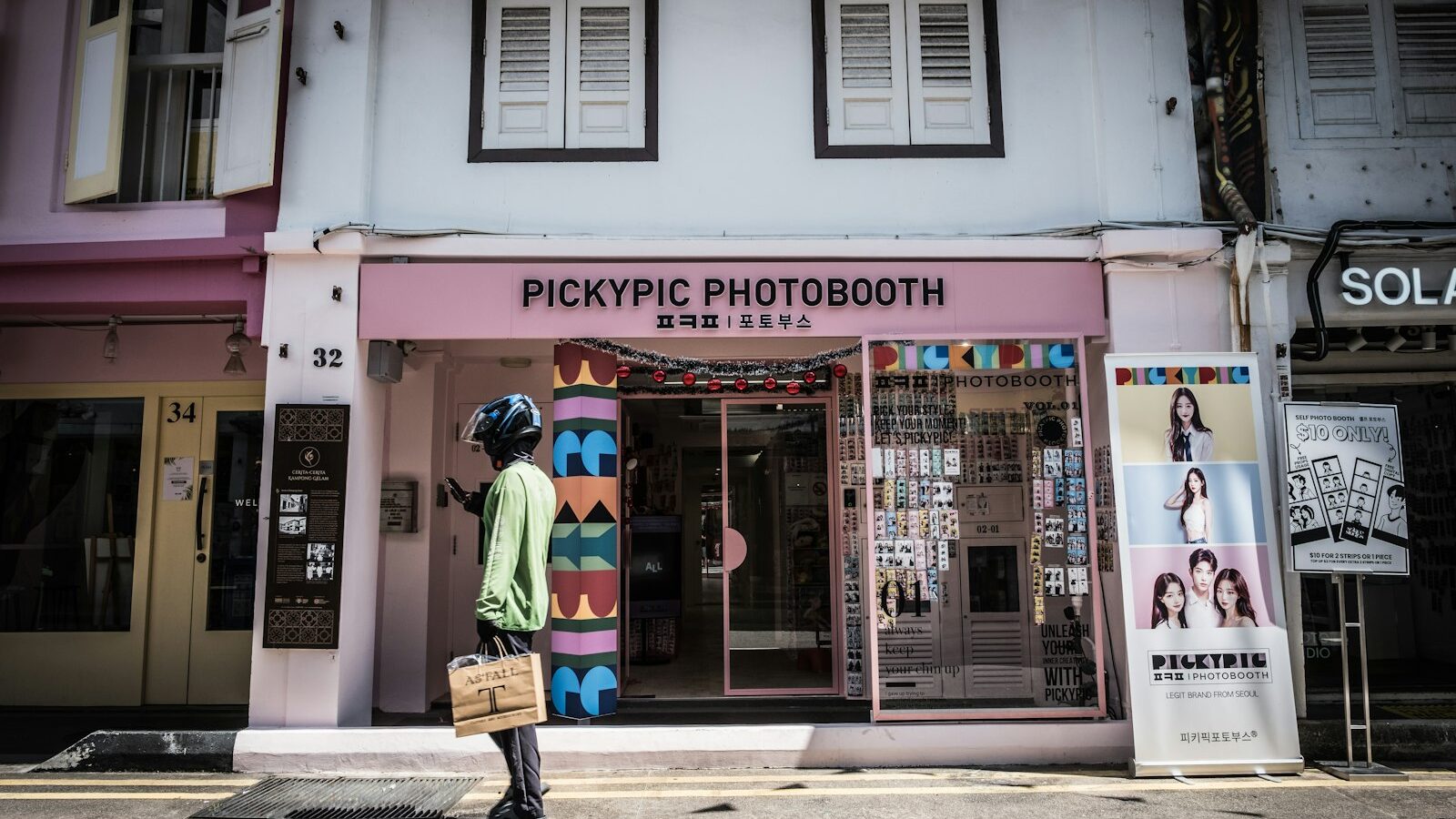
Most of our photos now live and die on a screen, scrolled past once and never seen again. Yet there is something special about holding a print in your hands or seeing a favourite shot on the wall every morning. Printing photos brings your best work into the real world, where it can be enjoyed for years rather than lost in a camera roll. This guide covers the main ways to print and display your images, how to get good results without overspending, and the one thing every Singaporean needs to plan for: our relentless humidity.
Why Print at All in a Digital Age
Screens are wonderful for sharing, but they are fleeting. A photo posted online gets a few seconds of attention, then disappears down the feed. A print behaves differently. It sits on a shelf, hangs by the door, or waits in a book to be rediscovered years later. It becomes part of your home and your daily life in a way a file on a phone never quite manages.
Printing also changes how you shoot and edit. When you know a photo might end up on paper, you start caring more about sharpness, framing and light. And a printed collection is a quiet form of backup: even if a hard drive fails, the memory on your wall survives. In short, printing photos completes the process. It turns a fleeting capture into something lasting.
Your Main Options for Prints and Displays
There is no single best way to print. The right choice depends on your budget, the space you have and what the photo is for. Here is how the common options compare.
| Option | Best for | Keep in mind |
|---|---|---|
| Loose prints | Albums, gifts, quick keepsakes | Handle by the edges, store flat and dry |
| Photo books | Trips, events, telling a story | Costs more, worth it for a curated set |
| Framed prints | A standout shot on display | Glass protects but adds weight and cost |
| Canvas or wall panels | Large statement pieces | Best for your sharpest, high-resolution shots |
Loose prints are the cheapest and most flexible way to start. They slot into albums, become gifts, or brighten a fridge door. Photo books shine when you want to tell a story, like a Japan trip or a child’s first year, in a single tidy object. Framed prints turn one strong image into a piece of decor, with glass adding protection. Canvas and wall panels make bold statement pieces, but they magnify every flaw, so reserve them for your sharpest, highest-resolution frames.
Getting a Good Print the First Time
A disappointing print usually comes down to a few avoidable mistakes. A little care before you order makes all the difference.
- Check the resolution. Small prints are forgiving, but large ones need plenty of pixels. A shot that looks fine on your phone can turn soft when blown up big, so use your highest-quality original, not a compressed social media copy.
- Mind the crop and aspect ratio. Print sizes have fixed proportions, and standard sizes rarely match your camera’s frame exactly. Preview the crop so heads and horizons are not chopped off unexpectedly.
- Edit for print, not just screen. Prints can look a touch darker than a bright screen suggests. If your shots come out dim, try brightening slightly before ordering.
- Order a small test first. Before committing to a large canvas, get a small print to check colour and sharpness. It is a cheap way to avoid an expensive mistake.
- Ask about paper finish. Matte hides fingerprints and glare, while glossy makes colours pop. If you can, request a sample to see which you prefer.
Getting these basics right means the print in your hands matches the photo you loved on screen.
Displaying Photos Around Your Home
Once you have prints, how you display them shapes how much you enjoy them. You do not need a big space; even a small HDB flat has plenty of spots for a well-placed photo.
- Create a small gallery wall. A cluster of frames along a hallway or above a sofa turns a bare wall into a personal story. Keep the spacing even and the frames loosely matching.
- Rotate a single feature frame. One good frame on a shelf, with the photo swapped every month or two, keeps your display fresh without extra cost.
- Use shelves and ledges. Leaning framed prints on a picture ledge lets you rearrange them easily, with no extra holes in the wall.
- Keep books within reach. A photo book left on a coffee table gets opened far more often than one hidden in a cupboard. Display is not only for walls.
Think about light too. A photo in direct sunlight will fade faster, so choose spots that get bright but indirect light where you can.
Protecting Prints from Singapore’s Humidity
This is the part too many people skip, and it is the most important one locally. Our year-round humidity is hard on paper. Prints can curl, stick together, grow mould spots or fade if they are not cared for, especially in a flat without constant air-conditioning.
- Store spare prints flat and sealed. Keep loose prints in an album, envelope or box rather than loose in a drawer where damp air can reach them. Acid-free storage is gentler over the long term.
- Add a moisture absorber. A silica gel pack or a small dehumidifying box in the cupboard where you store prints and albums helps keep damp at bay, much as it protects camera gear.
- Frame with a backing and mount. For framed prints, a proper backing board and a mount that keeps the photo off the glass reduces the chance of the print sticking to the glass in humid conditions.
- Keep prints off outward-facing walls. Walls that get direct afternoon sun or sit against damp can transfer heat and moisture. An interior wall is usually a safer home for a treasured frame.
- Check on them now and then. Every few months, glance at your prints and albums for any sign of curling or spotting, and move anything at risk somewhere drier.
A few small habits here mean your prints stay crisp for years rather than yellowing within months.
Start with One Photo You Love
You do not need to print your whole library. The easiest way to begin is to choose a single photo you truly love, order one good print, and put it somewhere you will see it every day. That first print almost always leads to more. Whether you build a gallery wall, fill a photo book from your next trip, or simply frame one shot of family at the hawker centre, printing photos turns your best moments into something you can hold, share and enjoy long after the memory itself has faded.
Explore more
Before you send anything to print, it helps to have your best shots ready, so start with our guides to culling and organising your photos and photo editing basics for beginners. If you are keen to show your work more widely, our guide to building a photography portfolio is a natural next step.