
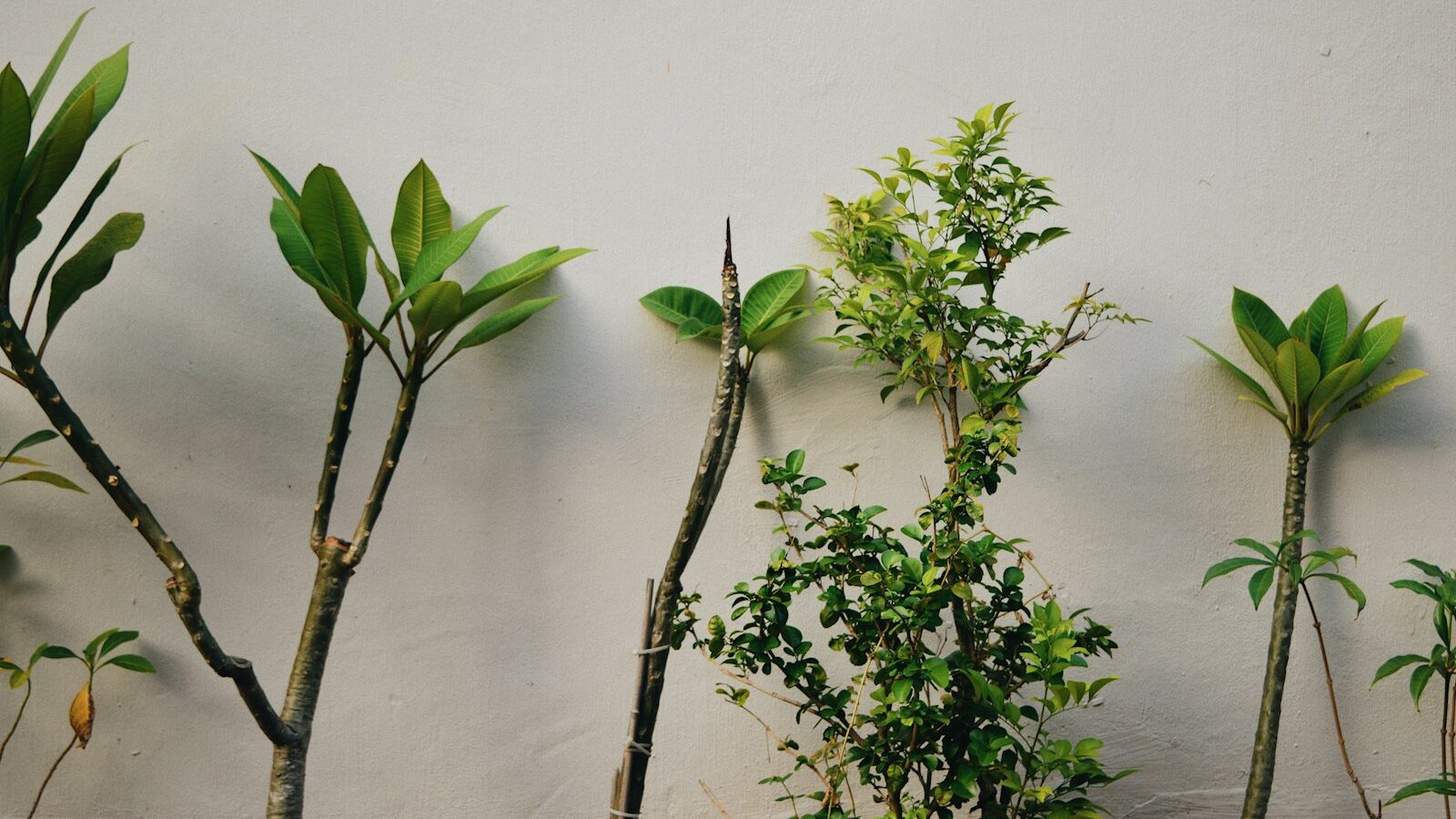
There is something quietly satisfying about propagating houseplants singapore homes are already full of, turning one leafy pothos or monstera into a whole shelf of new plants for free. Propagation is simply the art of growing fresh plants from cuttings, offshoots or divisions of ones you own. It costs almost nothing, makes lovely gifts, and is one of the easiest ways into the hobby of indoor gardening. Our warm, year-round climate is genuinely helpful here, since many houseplants root quickly in the heat. This friendly, brand-neutral guide covers the main methods, the plants that root most reliably, and an important safety note for homes with pets and young children.
The Two Main Methods: Water and Soil
Most beginners start with water propagation because you can watch the roots grow, which is half the fun. You take a healthy cutting, place it in a glass of clean water, and wait for roots to appear over a couple of weeks. It is forgiving, needs no special kit, and makes it easy to spot problems early. The trade-off is that water roots are slightly more delicate, so the young plant needs a gentle settling-in period when you eventually move it to soil.
Soil propagation skips that transfer by rooting the cutting directly in a moist, well-draining potting mix. It can produce sturdier roots and one less step, though you cannot see progress and it is easier to over-water or let the mix dry out. Both methods work well here, so try water first to build confidence, then experiment with soil.
A third approach, division, suits clumping plants such as peace lilies, snake plants and many ferns. You simply lift the plant, tease the root ball into two or more sections each with roots and leaves, and pot them up separately. It is the fastest route to an instant new plant.
How to Take a Good Cutting
Success starts with the cutting itself. Choose a healthy parent plant and a stem with a few leaves and, crucially, at least one node, the small bump where a leaf meets the stem, as this is where new roots emerge. Using clean, sharp scissors or a knife, cut just below a node, then remove the lower leaves so they will not sit underwater or in the soil and rot. Let very juicy cuttings, such as succulents, dry for a day so the cut end calluses before you plant them. Keep everything clean to avoid spreading disease between plants.
For water propagation, use a clear glass, keep the node submerged but the leaves above the surface, and place it somewhere with bright, indirect light rather than harsh direct sun. Change the water every few days to keep it fresh and oxygenated. Once the roots reach a few centimetres long, pot the cutting into a small container of moist potting mix and keep it well watered for the first week or two while it adjusts.
| Method | How it works | Best for | Watch out for |
|---|---|---|---|
| Water | Root cutting in a glass of water | Pothos, monstera, philodendron | Refresh water, delicate roots |
| Soil | Root cutting directly in mix | Begonias, coleus, herbs | Do not over-water or dry out |
| Division | Split a clumping plant | Snake plant, peace lily, ferns | Keep roots on each section |
| Offsets | Pot up baby plantlets | Spider plant, aloe, bromeliads | Wait until pups have roots |
Easy Plants to Start With
Beginners do best with plants that almost want to root. Pothos and philodendron are famously easy, rooting in water within weeks from a single node. Monstera propagates readily from a stem cutting with a node and aerial root. Spider plants produce baby plantlets, or pups, on long runners that you can pin into soil while still attached, then snip free once rooted. Snake plants grow from leaf cuttings or division, though they take their time. Succulents such as jade and many echeveria grow from a single leaf laid on soil. Herbs like mint and basil root quickly in water too, giving you a fresh supply for the kitchen. Starting with these builds confidence before you attempt fussier species.
Giving Cuttings the Best Conditions
Warmth and light do most of the work. Keep cuttings in a bright spot out of direct midday sun, which can scorch tender growth or overheat a glass of water. Our ambient warmth speeds rooting, but a room kept very cold by air-conditioning slows it down, so avoid placing cuttings right under a cold vent. Patience matters, as some plants root in a week and others take a month. Resist the urge to tug at a cutting to check, since disturbing new roots sets it back. A little humidity helps, and grouping plants together or using a clear cover can create a gentle greenhouse effect for slower rooters.
A Safety Note for Pets and Children
This is the part every plant lover should know before filling the home with cuttings. Several of the most popular and easiest houseplants are toxic to pets or children if chewed or swallowed. Pothos, philodendron, monstera and dieffenbachia all contain compounds that can cause mouth irritation, drooling and stomach upset, and lilies in particular are extremely dangerous to cats. Because propagation multiplies these plants and often leaves cuttings sitting at grabbable heights on tables and windowsills, the risk is worth taking seriously. Keep cuttings and mature plants out of reach of curious cats, dogs and small children, place glasses of rooting cuttings on high shelves, and check whether a plant is pet-safe before you propagate or buy it. If you want a worry-free collection, lean towards non-toxic choices such as spider plants, many ferns, calathea and parlour palms.
Growing Your Collection
Once you have a few rooted cuttings, the hobby snowballs happily. Pot them into small containers with drainage holes, use a light, well-draining mix, and step them up to bigger pots only as they fill out. Label anything you plan to gift so friends know what they are getting and whether it needs to be kept from pets. Keep a couple of cuttings going at all times, and before long you will have plants to share, swap at community plant meets, or dot around every bright corner of your home. Propagation turns a single plant into an ongoing, almost free supply, and it is one of the most rewarding routines in indoor gardening.
Explore more
Indoor Plants and Gardening
Low-Maintenance Indoor Plants
Best Plant Shops
How to Make Your Home More Pet-Friendly