
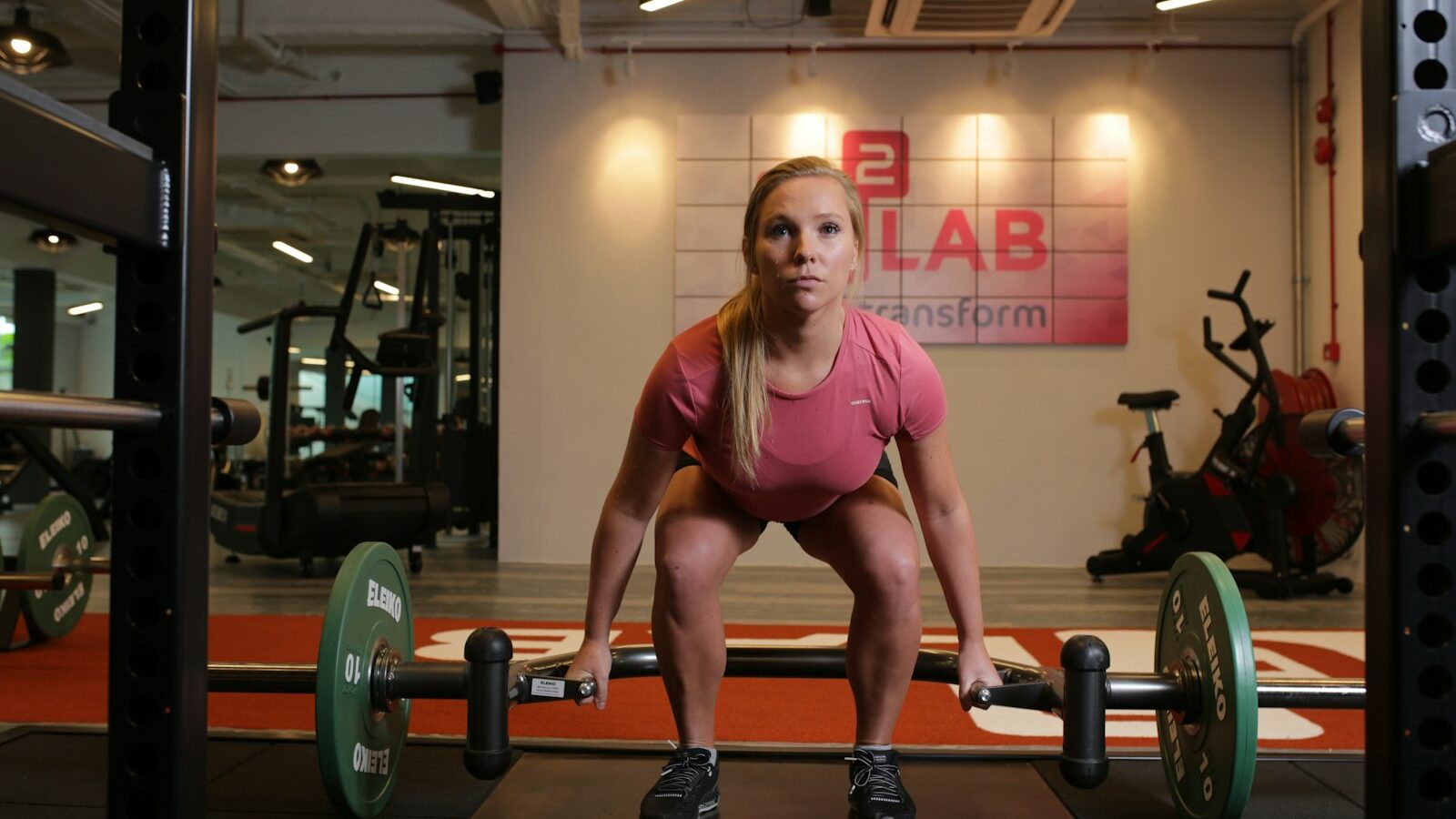
Learning proper lunge form in Singapore is one of the smartest moves a beginner can make for strong, balanced legs. The lunge trains each leg on its own, which improves balance, evens out strength differences between sides and carries over to everyday activities like climbing stairs or carrying groceries. Yet it is easy to get sloppy, and poor technique can leave your knees and hips aching. This guide breaks down the correct form, then walks you through beginner friendly variations you can build into any routine.
A quick note first. This article offers general fitness information, not medical advice. Warm up before you train, focus on good form before adding load, start light and progress gradually, and stop if you feel sharp pain. If you have a health condition, are pregnant or are coming back from an injury, check with a doctor before starting, and see a physiotherapist for any pain or injury.
Why Lunges Deserve a Place in Your Routine
Many people rely only on movements that work both legs at once, such as squats. These are excellent, but they can allow your stronger side to take over. Lunges force each leg to work independently, which reveals and corrects imbalances you might not notice otherwise.
Lunges also challenge your balance and coordination, engaging the smaller stabilising muscles around your hips, knees and ankles. This makes them useful not just for building muscle in the thighs and glutes but also for improving control and reducing the risk of stumbles. Because they mimic the way we move in real life, one foot in front of the other, the strength you build transfers well to walking, running and daily tasks.
The Fundamentals of a Good Lunge
Start by standing tall with your feet about hip width apart and your core gently braced. Take a controlled step forward, letting your front foot land flat while you rise onto the ball of your back foot. From here, lower your hips straight down by bending both knees, aiming for roughly a right angle in each. Your front knee should track over your foot, not cave inwards, and your back knee should lower towards the floor without slamming into it.
Keep your torso upright with your chest lifted, rather than leaning far forward. Your weight should be spread through your front heel and midfoot, which helps drive you back up. To return, push through your front foot and step back to standing. Move with control in both directions so your muscles do the work instead of momentum.
Here is a quick checklist you can run through before and during your sets:
| Checkpoint | What good form looks like |
|---|---|
| Torso | Upright, chest lifted, core braced |
| Front knee | Tracks over the foot, does not collapse inward |
| Front foot | Weight through heel and midfoot |
| Back knee | Lowers softly, does not crash down |
| Depth | Both knees near a right angle |
| Movement | Controlled down and up, no rushing |
If your balance wavers at first, hold onto a wall or a sturdy support with one hand until you feel steady. There is no shame in starting with support, and it lets you focus on the movement pattern.
Beginner Friendly Variations
Once the basic forward lunge feels comfortable, you can add variety to keep things interesting and target your muscles slightly differently. Each variation shares the same core principles of an upright torso, controlled depth and a stable front knee.
The reverse lunge involves stepping backwards instead of forwards. Many beginners find this version gentler on the knees because it is easier to control, and it places a little more emphasis on the glutes. It is often the best variation to master first if forward lunges feel awkward.
The stationary lunge, sometimes called a split squat, keeps both feet planted in a staggered stance while you move straight up and down. Because you are not stepping in and out, it is easier to balance and to concentrate on depth and knee position. This makes it an excellent teaching tool.
The walking lunge takes you forward across a space, alternating legs with each step. It adds a coordination and balance challenge, so save it for when your basic form is solid. You will need a clear stretch of floor, which many gyms and void deck spaces here can provide.
The lateral lunge steps out to the side rather than forward, working the inner and outer thighs and improving side to side mobility. Keep the moving leg bent and the other leg straight, sitting your hips back as you lower.
Building Lunges Into Your Training
For most beginners, two to three sessions a week that include lunges is plenty, with rest days in between to recover. Begin with your own body weight and a moderate number of repetitions on each leg, stopping a repetition or two before your form breaks down. As your strength and balance improve, you can slowly increase the repetitions, add more sets, or hold a weight you can control comfortably in each hand.
Rest around one to two minutes between sets so your legs can recover enough to keep good form. Quality matters far more than quantity here. A handful of clean, controlled lunges will do more for you than many rushed, wobbly ones.
Combine lunges with other lower body movements and some upper body work for a balanced routine. Pairing them with hip focused exercises helps develop strong glutes, while regular mobility work keeps your hips and ankles moving freely so you can lunge with full range.
Common Mistakes and How to Fix Them
The most frequent error is letting the front knee collapse inward as you lower. To fix this, consciously push your knee out so it lines up over your second and third toes, and strengthen your hips over time. Another common issue is leaning too far forward, which shifts strain to your lower back. Cue yourself to stay tall and lower your hips straight down.
Some people take steps that are too short or too long. A step that is too short crowds your knee over your toes, while one that is too long makes it hard to keep both knees bent correctly. Experiment to find a comfortable stride where both knees reach a right angle.
Finally, avoid rushing. Bouncing at the bottom or dropping quickly removes the control that makes lunges effective and safe. Slow down, own each repetition, and stop if anything feels sharp rather than merely tired.
With attention to these fundamentals and a gradual approach, lunges will reward you with stronger, more balanced legs and better everyday movement. Start with the basics, add variations as you grow more confident, and let steady practice do the rest.
Explore more
How to Do a Proper Squat
Glute Training for Strength
Stretching and Mobility for Fitness
Strength Training for Beginners