
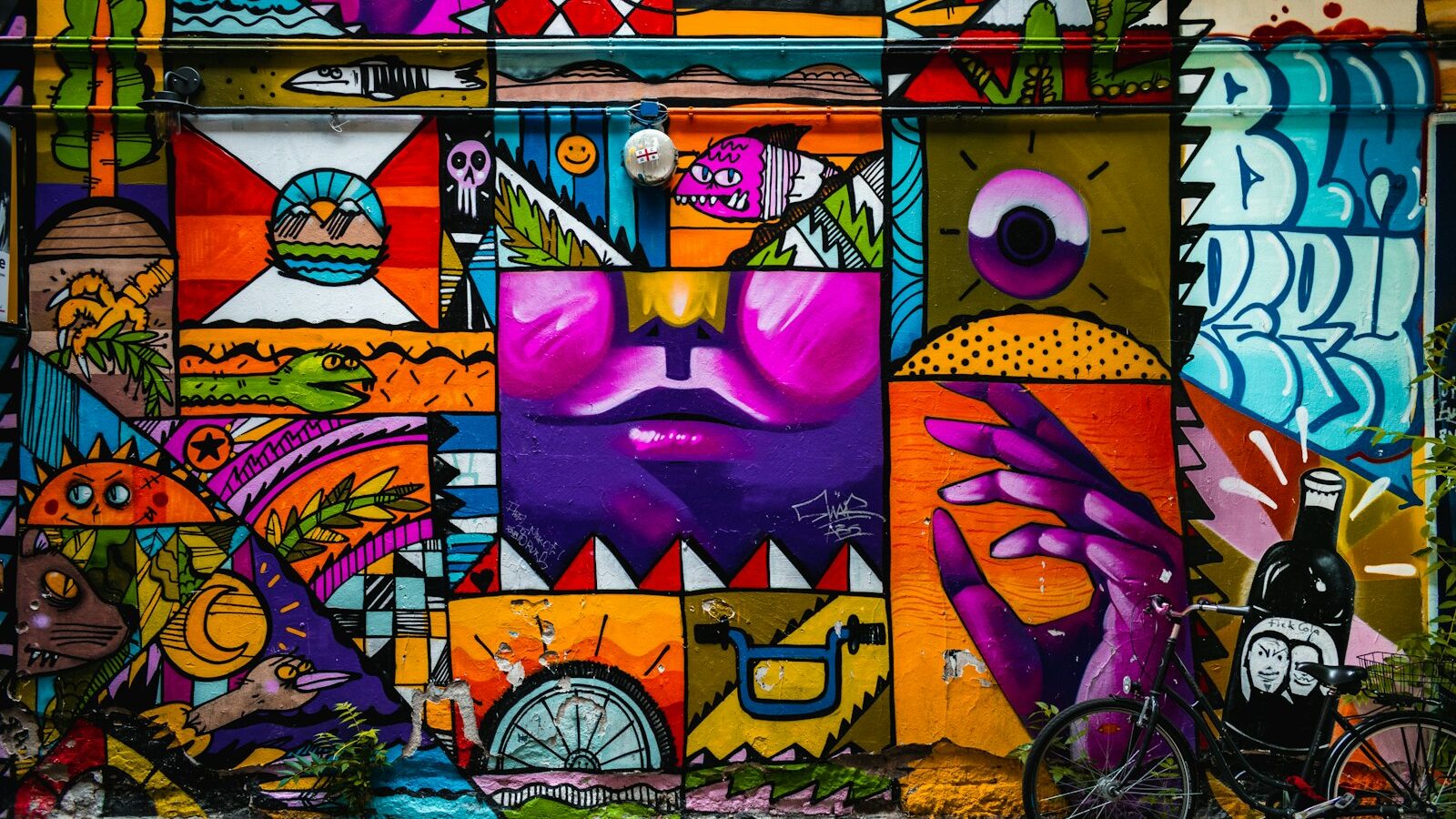
Public art and murals add colour, character and storytelling to Singapore’s streets and neighbourhoods, from vibrant heritage murals to striking sculptures. This guide explores public art and murals in Singapore and how they enrich the city.
A city enriched by art
Public art has become a wonderful feature of Singapore’s urban landscape, adding colour, character, storytelling and beauty to streets, neighbourhoods and public spaces. From vibrant murals depicting heritage and everyday life to striking sculptures and installations, public art transforms ordinary spaces into engaging, meaningful ones. It reflects the city’s culture, history and creativity, and makes exploring neighbourhoods more rewarding and delightful. Public art is accessible to all, free to enjoy and woven into daily life, offering moments of surprise, reflection and appreciation. This flourishing of public art enriches Singapore’s urban environment and cultural life, celebrating heritage, community and creativity, and inviting residents and visitors alike to see the city with fresh eyes.
Heritage murals
| Element | What it offers |
|---|---|
| Heritage murals | Depictions of history and everyday life |
| Nostalgic scenes | Portrayals of old Singapore |
| Neighbourhood character | Art rooted in local identity |
| Storytelling | Visual narratives of the past |
Among the most beloved forms of public art in Singapore are heritage murals, which vividly depict scenes of the past, everyday life, and local history and culture. Often found in historic and characterful neighbourhoods, these murals portray nostalgic scenes of old Singapore, traditional trades, community life and cultural heritage, telling visual stories of the city’s past. They add colour and character to their surroundings and celebrate local identity and history, connecting residents and visitors to the heritage of a place. Discovering these murals as you explore a neighbourhood is a delightful experience, offering both visual appeal and insight into the area’s story. Heritage murals are a cherished and meaningful form of public art that beautifully preserve and celebrate Singapore’s history and character.
Street art and murals
Beyond heritage-themed works, Singapore’s streets feature vibrant contemporary street art and murals in various styles, adding creativity and colour to neighbourhoods. Certain districts are especially known for their concentration of murals and street art, becoming popular spots to explore and admire the works. These murals range from playful and whimsical to striking and thought-provoking, showcasing the creativity of artists and enlivening the urban environment. Street art has become a celebrated part of the city’s cultural scene, drawing art lovers and casual admirers alike. Exploring neighbourhoods to discover their murals and street art is a rewarding, free and enjoyable activity, offering a vibrant, ever-changing gallery in the streets and reflecting the creativity and colour of Singapore’s contemporary culture.
Sculptures and installations
Public art in Singapore also includes numerous sculptures and installations, found in parks, plazas, waterfronts, civic spaces and throughout the city. These works, ranging from iconic landmarks to contemporary and abstract pieces, add beauty, interest and meaning to public spaces. Some sculptures have become well-loved landmarks and photo spots, while others invite reflection or simply enhance their surroundings. Installations, whether permanent or temporary, contribute to the city’s cultural vibrancy and offer engaging experiences. These sculptures and installations, alongside murals and street art, form part of the rich landscape of public art that enriches Singapore. Discovering them as you explore the city adds moments of appreciation, beauty and interest, and reflects the value placed on art and creativity in the urban environment.
Discovering public art
Discovering Singapore’s public art is a wonderful, accessible way to explore the city and appreciate its culture and creativity. Wandering through neighbourhoods, especially historic and characterful ones, reveals murals, heritage art and street art, while parks, waterfronts and civic spaces showcase sculptures and installations. Exploring on foot at an unhurried pace, with an eye out for art, turns a walk into a delightful discovery. Public art is free to enjoy and woven into everyday spaces, making it an easy and rewarding pursuit. Whether you seek out well-known murals and art districts or simply notice the works around you, discovering public art enriches your experience of the city, offering colour, storytelling, beauty and insight into Singapore’s culture, heritage and creativity.
The takeaway
Public art and murals add colour, character, storytelling and beauty to Singapore’s streets and neighbourhoods, enriching the urban landscape and cultural life. From beloved heritage murals depicting old Singapore and local history to vibrant contemporary street art, and from iconic sculptures to engaging installations, public art transforms ordinary spaces and celebrates heritage, community and creativity. Accessible and free to all, it invites residents and visitors to explore the city and see it with fresh eyes. Discovering public art, especially by wandering characterful neighbourhoods on foot, is a delightful and rewarding pursuit. This flourishing of public art is a wonderful, enriching part of Singapore’s culture, creativity and urban character, well worth seeking out and appreciating.
How public art comes to life
Much of the public art you see across Singapore does not appear by chance. Behind the murals, sculptures and installations is a mix of commissioning bodies, property owners, artists and, increasingly, the communities who live alongside the works. Some pieces are supported through arts and heritage initiatives, others are commissioned by developers or town councils to brighten shared spaces, and many grow out of grassroots and community projects where residents themselves help shape the design. Understanding this background adds a richer layer to what you are looking at, because a mural is often the result of research, consultation and careful thought about the place it sits in.
- Commissioned works: Many sculptures and larger installations are commissioned specifically for a site, chosen to suit its character, its history or the people who pass through it.
- Community and grassroots murals: Some neighbourhood murals are painted with input from residents, schools or local groups, so the imagery reflects the memories and identity of that particular estate.
- Heritage-led projects: Works in conservation areas often draw on historical detail, capturing trades, streetscapes and daily life that once defined the district.
- Temporary and festival pieces: Certain installations appear for a season or a public event and then move on, so it is worth enjoying them while they are there.
If you would like to know more about a specific work, look for any accompanying plaque or signage near the piece, which sometimes names the artist and the story behind it. For programmes, funding support or guided arts initiatives, the National Arts Council (NAC) is a useful official starting point, and town councils or building managers can often point you to who is responsible for art in their own spaces.
Planning a self-guided public art walk
One of the best ways to appreciate Singapore’s public art is to turn a casual stroll into a loose self-guided trail. You do not need a fixed itinerary, but a little planning helps you cover more ground comfortably and enjoy the works without rushing. Pick a characterful neighbourhood, allow yourself a few unhurried hours, and let the streets, back lanes and five-foot-ways reveal their murals and sculptures at their own pace.
- Choose one area at a time: Focusing on a single district lets you explore its lanes properly rather than dashing between far-flung spots.
- Go on foot: Many murals hide in side streets and quiet corners that are easy to miss from a bus or car, so walking is by far the most rewarding approach.
- Dress for the weather: Singapore’s heat and sudden showers are worth preparing for, so bring water, sun protection and a compact umbrella.
- Time your visit: Early mornings and late afternoons tend to be cooler and gentler on the eyes, with softer light for photographs.
- Be considerate: Much street art sits on private shophouses and homes, so admire and photograph respectfully, keep noise down, and avoid blocking doorways or walkways for residents and businesses.
A few simple courtesies go a long way. Never touch, add to or deface the artwork, and take care when posing for photos near roads or busy shopfronts. If you are exploring with children, public art walks make for an engaging, low-cost outing, and a small game of spotting details or colours can keep them curious throughout. Whether you follow a well-known art district or simply wander with an open eye, a self-guided walk lets you experience Singapore’s public art on your own terms, unhurried, free and full of small discoveries.
Explore more: Traditional trades of Singapore · Dragon playgrounds and old Singapore nostalgia · Singapore ethnic enclaves