
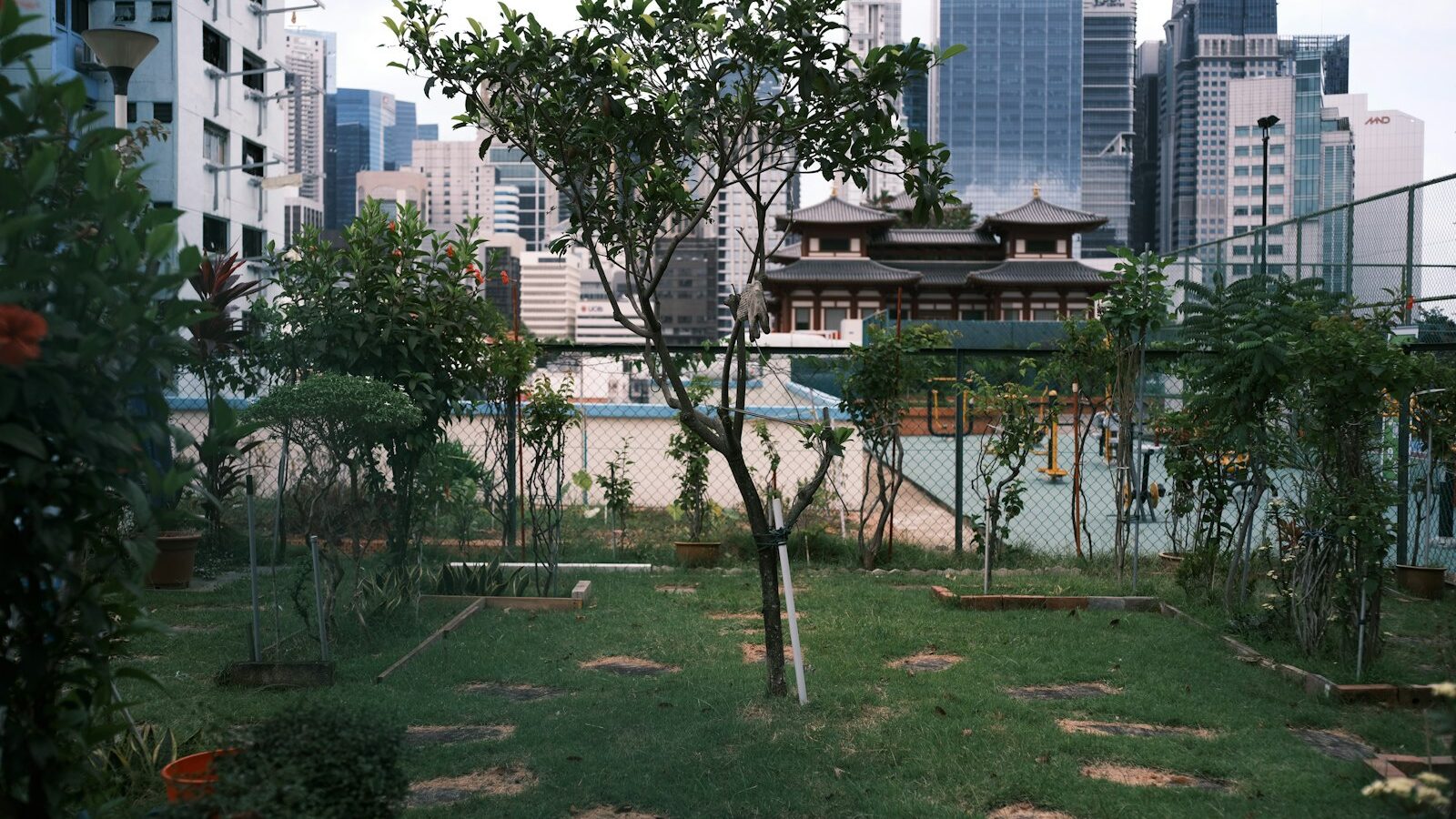
Raised bed gardening means growing in a contained frame of soil lifted above the ground, rather than digging into whatever earth you have. It gives you control over the soil, saves your back, drains well in heavy rain and turns an awkward corner into a productive plot. For a landed garden, a condo planter or a community allotment, a raised bed is one of the most reliable ways to grow food and flowers in Singapore. This is a general guide for home gardeners, not professional horticultural advice.
The method fits our conditions neatly. Local ground can be heavy clay or poor builder rubble, and our downpours leave flat soil waterlogged. A raised bed lets you build the ideal soil from scratch and lets excess water drain away fast, which is exactly what most edibles need in the tropics.
Why Raised Beds Suit Our Climate
The single biggest advantage here is drainage. In a Singapore monsoon, rain arrives in sheets, and plants sitting in soggy ground quickly rot or drown. A raised bed, filled with a free draining mix and lifted above the surrounding surface, sheds that water instead of holding it.
The second advantage is soil quality. You decide what goes in, so you skip the compaction, weeds and unknown history of the native ground. You also warm and aerate roots better, garden without stooping, and keep beds tidy and defined, which matters on a shared balcony or a community plot.
There are trade offs. Raised beds dry out faster in our heat, so they need more frequent watering than open ground. They also cost something to build and fill. For most local growers the benefits far outweigh this, especially where the only alternative is heavy clay or a hard paved surface.
Building and Siting Your Bed
Size and placement matter more than looks. Get these right and the rest is easy.
- Width: keep beds no wider than about 1.2 metres if you can reach both sides, or half that against a wall, so you never step on the soil and compact it.
- Depth: aim for at least 20 to 30 centimetres of soil for leafy greens and herbs, and deeper, around 40 centimetres, for root crops and larger plants.
- Length: whatever fits your space.
- Material: rot resistant timber, brick, concrete blocks or sturdy fabric grow beds all work. Avoid anything treated with unknown chemicals if you grow food.
For siting, edibles want sun. Most fruiting vegetables need at least four to six hours of direct light, so a north or south facing landed yard, an open community plot or a bright, unshaded balcony is ideal. Leafy greens and herbs tolerate a little less. On a balcony or corridor, check the weight your floor can carry when the bed is full and wet, and follow your town council rules for common areas. Always sit beds where drainage water will run to a drain, not pool or seep to a neighbour below.
If you are on a hard surface, a raised bed with an open or slatted base, lined with landscape fabric, lets water escape while keeping soil in. On soil, loosening the ground beneath the bed before filling helps roots and drainage.
Filling the Bed With the Right Soil
The soil is the heart of the whole project. Do not simply shovel in garden dirt, which compacts and drains poorly. Build a light, rich, free draining mix instead.
A good general recipe is roughly equal parts of three things: a quality topsoil or loam for body, well rotted compost for fertility and structure, and a drainage and aeration ingredient such as coarse sand, perlite or burnt earth. This gives a mix that holds moisture yet drains fast after our heavy rain, and feeds plants without turning to mud.
Filling a deep bed with premium mix all the way down gets expensive. A common thrifty approach is to part fill the bottom of a deep bed with coarse, bulky organic matter such as twigs, coarse bark or garden prunings, then top with the good mix where the roots will actually grow. This saves material and adds slow release nutrients as the base breaks down, though the bed level will sink over the first year and need topping up.
| Layer | What to use | Why it helps |
|---|---|---|
| Base of a deep bed | Coarse branches, bark, dry leaves | Cheap bulk, feeds soil as it rots |
| Middle | Topsoil or loam mixed with compost | Body and fertility for roots |
| Top growing zone | Rich compost heavy mix | Where seeds and roots feed most |
| Surface mulch | Dry leaves, straw or wood chips | Cuts evaporation, blocks weeds |
Top the bed with a layer of mulch. In our sun and driving rain, mulch is not optional: it keeps the soil moist between waterings, stops the surface baking hard, and shields it from erosion during downpours.
What to Grow and How to Keep It Producing
Raised beds shine for compact, hungry crops you harvest often. Good tropical choices include leafy greens such as kangkong, chye sim and bayam, plus herbs like basil, mint and laksa leaf, chillies, okra, and climbers like long beans trained up a trellis at one end.
Because a raised bed drains and dries quickly, watering is the main daily job. In our heat, beds often need a good soak once a day, sometimes twice for shallow beds in full sun, ideally in the early morning or late afternoon rather than the midday heat. Push a finger into the soil to check; water when the top few centimetres feel dry.
Feed the bed as it produces. Fast growing leafy crops draw down nutrients quickly, so top up fertility every few weeks. You can make your own inputs cheaply with homemade organic fertilisers from kitchen waste or by adding worm castings from a home worm bin. Rotate what you plant in each bed between crops to keep the soil balanced and reduce pest build up.
One safety point about water. After heavy rain, check that nothing in your garden is holding standing water, including saucers, buckets, trays and any waterproof bed liner that traps a puddle. Stagnant water breeds Aedes mosquitoes, so tip it out and follow NEA Mozzie Wipeout habits. A well built raised bed drains freely and does not pool, which is one more reason to get the drainage right.
Keeping Beds Healthy Year After Year
A raised bed is a long term asset if you look after the soil. Each time you clear a crop, add a fresh layer of compost and top up the level, because our fast decomposition and frequent watering steadily deplete organic matter. Keep the surface mulched, pull weeds while small, and watch for pests early. If you prefer to avoid digging, you can top up and plant straight into the surface, an approach that shares much with a no dig system.
Start with one modest bed, learn its watering rhythm through a wet and a dry spell, and expand once you have the knack. A single well tended raised bed can feed a household a steady supply of greens and herbs all year round.
Explore more: No dig gardening in the tropics · Growing long beans and winged beans · Vermicomposting with worms