
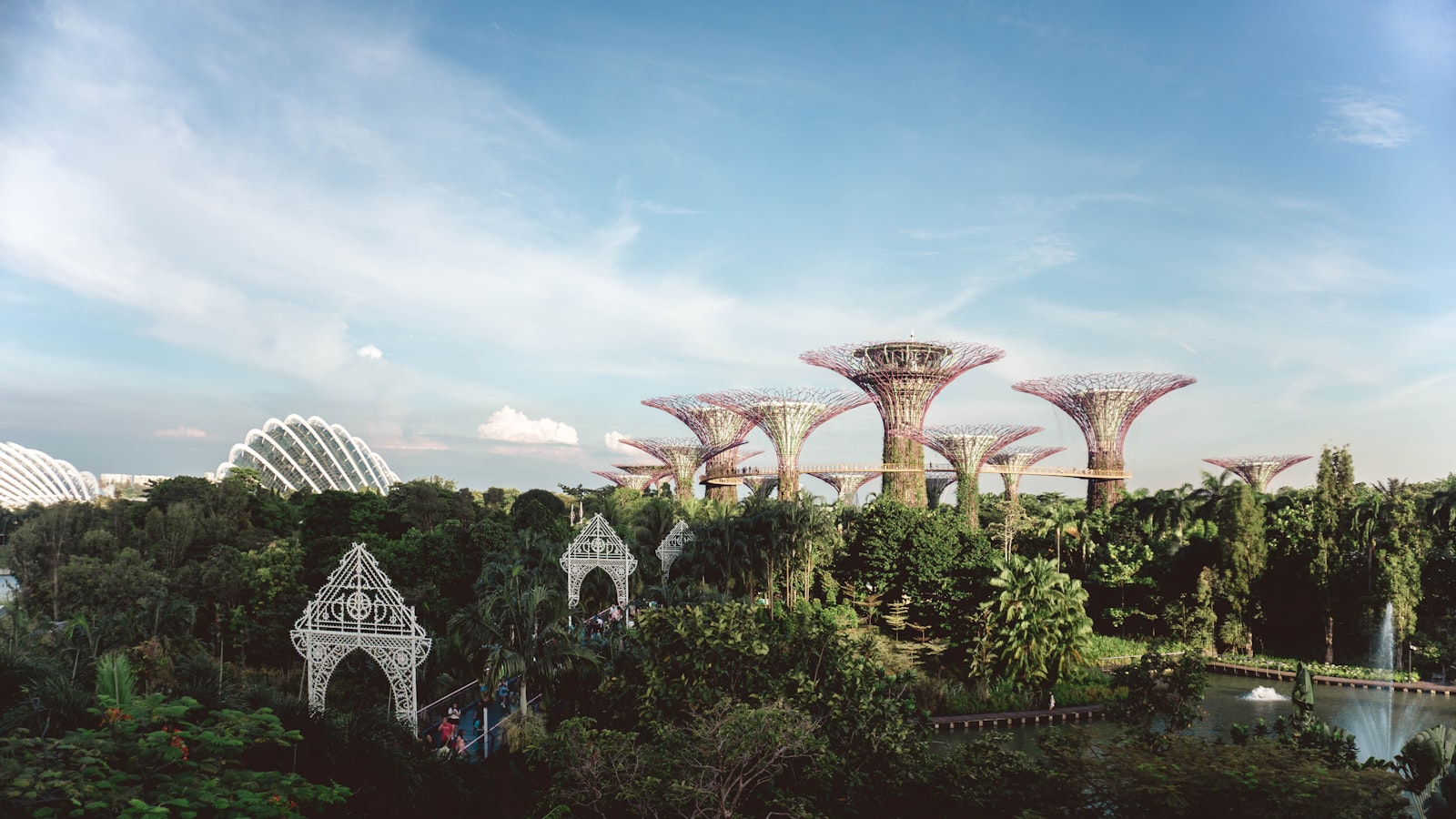
Once you understand our weather, gardening here gets a lot easier. Singapore sits almost on the equator, so we do not get spring, summer, autumn and winter. Instead we get warmth all year, high humidity, strong sun and sudden downpours. Tropical climate gardening in Singapore is really about working with those four things rather than fighting them. Get them right and plants grow fast; get them wrong and even a “hardy” plant can sulk. This beginner-friendly guide breaks down what our climate does to plants and the simple habits that keep yours thriving on an HDB balcony, a corridor or a windowsill.
Understanding Singapore’s Tropical Climate
Our climate has a few defining features, and each one shapes how you garden.
- Constant heat. Daytime temperatures hover in the low thirties for most of the year, and it rarely dips below the mid-twenties even at night. Plants never get a cold rest, so many grow non-stop.
- High humidity. The air is damp, often eighty per cent or more. That is a gift for tropical foliage plants but a risk for anything prone to mould, rot or fungal disease.
- Intense sun. We are close to the equator, so midday sun is fierce and can scorch leaves through glass or on an exposed west-facing balcony.
- Monsoon rain. The wetter northeast monsoon runs roughly from November to January, with heavy, sometimes daily downpours, while shorter storms can hit any month.
The upside is huge: our conditions mimic the rainforest that many popular houseplants come from. The trick is managing the extremes, especially too much direct sun and too much standing water.
Choosing Plants That Thrive in the Heat and Humidity
The single biggest shortcut to success is picking plants that already love this climate. Fighting our weather with a delicate temperate plant is hard work; leaning into it with a tropical species is easy.
Reliable choices for beginners include foliage plants such as pothos, snake plant, ZZ plant, philodendron and monstera, all of which shrug off heat and humidity. For sunnier spots, hardy performers like bougainvillea, ixora, cordyline and many herbs cope well with strong light. Edibles such as pandan, laksa leaf, chilli, kangkong and sweet potato leaf practically thrive on our warmth.
When you shop, think about the exact spot you have. A bright, sun-baked balcony wants sun-lovers; a shaded north-facing corridor wants shade-tolerant foliage. Matching plant to place matters far more than any fancy fertiliser. It is completely fine to start with one easy, forgiving plant, learn its rhythm, and add more once you feel confident.
How Climate Factors Affect Your Plants
It helps to see each weather feature as both a benefit and a risk, so you know what to do about it.
| Climate factor | Effect on plants | What to do |
|---|---|---|
| Constant heat | Fast growth, but soil dries quickly | Check soil often, choose heat-tolerant species |
| High humidity | Lush foliage, but more fungus and rot | Give airflow, avoid soggy soil, remove sick leaves |
| Intense midday sun | Strong growth, but scorched, pale leaves | Filter harsh afternoon light, shift sun-sensitive plants |
| Monsoon downpours | Free watering, but waterlogging and toppling | Ensure drainage, shelter pots, stake tall plants |
Watering, Drainage and Keeping Mosquitoes Away
In our heat, pots dry out faster than newcomers expect, so watering is a daily-ish habit rather than a weekly one, especially for small pots on a breezy balcony. Still, do not water on autopilot. Poke a finger into the top few centimetres of soil and only water when it feels dry, because overwatering in our humidity leads to root rot far more often than underwatering.
Drainage is non-negotiable. Always use pots with holes, choose a free-draining potting mix rather than heavy garden soil, and let excess water run right through.
This is where the most important Singapore-specific rule comes in. Never let water collect and stagnate in pot saucers, trays or any container base. Standing water is a classic breeding ground for Aedes mosquitoes, and dengue is a real, year-round danger here. Tip out any water that pools in saucers within a day, keep those saucers dry between waterings, and break up soil that has hardened into a crust, because a compacted surface traps water too. Empty your drip trays after heavy rain, store spare pots upside down so they cannot fill up, and follow NEA’s anti-mosquito advice. A dry saucer is healthier for the plant and safer for everyone in the block.
Coping With Monsoon Rain and Intense Sun
Our two harshest forces, sun and storms, are the ones most likely to damage a plant, so a little planning pays off.
For intense sun, the goal is bright light without a burning midday blast. Morning sun is gentle and welcome; the fierce afternoon sun on a west-facing balcony can scorch tender leaves and cook roots in dark pots. Filter that harsh light with a sheer curtain, a shade net or by setting sensitive plants a little back from the railing. Light-coloured pots stay cooler than black ones.
For monsoon rain, the risks are waterlogging and physical battering. Long spells of rain can leave pots sitting in water, drowning the roots, so make sure every pot drains freely and lift them onto pot feet or a rack so water flows away. Move delicate or seedling plants under shelter during the wettest weeks, and stake tall or top-heavy plants so gusts do not snap or topple them. After a big storm, empty saucers and check that soil has not been washed out. Our companion guide on protecting plants from heavy rain and heat goes deeper on weatherproofing.
What You Need to Start and Where to Buy
You do not need much to begin. A single suitable plant, a pot with drainage holes, a saucer you keep dry, a bag of good potting mix and a watering can will get you going. Add a shade net or pot feet later if your spot needs them.
For plants and supplies, Singapore is well served: the nurseries along Thomson Road and out at Sungei Tengah, Far East Flora, community nurseries, IKEA and many online sellers all stock climate-friendly plants and soil. Prices vary widely by size and species, from budget seedlings to premium mature specimens, so check with the nursery or shop rather than expecting a fixed figure. Ask staff which plants suit your light and how much sun your spot really gets; local growers know exactly what handles our weather. NParks and its Community in Bloom programme are also great, free sources of gardening advice tuned to Singapore conditions. Start small, match the plant to your spot, keep the saucer empty, and our tropical climate becomes your biggest gardening advantage.
Explore more
Once you have the climate basics down, dig into the specifics: our guide on protecting plants from heavy rain and heat covers weatherproofing, while understanding soil and potting mix helps with drainage. If problems appear, see how to deal with plant pests and common plant diseases and how to treat them, or learn how to revive a dying plant.