
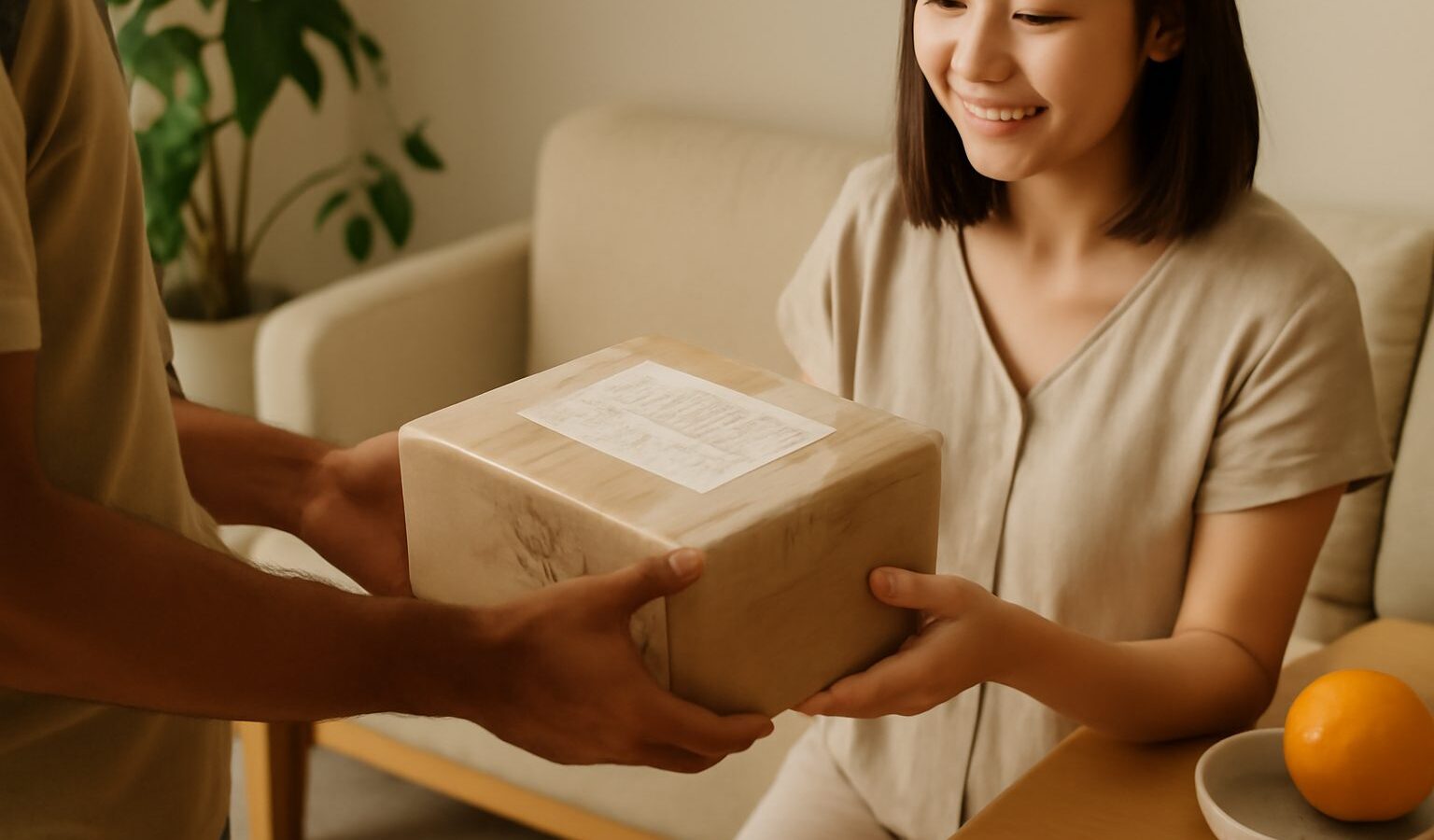
One of the small comforts of settling in is realising that your favourite Taobao shop, your family in China and that specialist part you cannot find locally are all still within reach. Receiving parcels from China in Singapore is straightforward once you understand who carries your box across the sea or sky, how the last mile reaches your HDB door, and what happens when a parcel meets Singapore Customs. This guide walks a newcomer through the whole journey, from cart to doorstep, so nothing arrives as a surprise.
How a Parcel Travels from China to Your Door
Most parcels reach Singapore by one of two paths. Air freight is faster and pricier, usually landing within days. Sea freight is slower, often a couple of weeks or more, but far cheaper for anything bulky or heavy. When you buy on Taobao, Tmall, Pinduoduo or JD, the platform typically shows an international shipping option at checkout, and you simply enter your Singapore address.
Once a parcel arrives here, it clears customs and is passed to a local delivery partner for the final leg. That partner might be SingPost or a private courier, depending on the service you chose. You will usually get a tracking number that updates as the box moves through the Chinese warehouse, the outbound flight or vessel, Singapore arrival, customs clearance and finally local delivery.
If you shop on the big platforms, note that mainland Chinese apps and their Singapore-facing versions can differ. Some accounts, payment methods and addresses that worked in China may need adjusting here, so it is worth setting up your delivery details carefully the first time.
Direct Shipping Versus Using a Forwarder
Not every China seller ships internationally, and this is where a parcel forwarder earns its keep. A forwarder gives you a warehouse address inside China. You have your domestic purchases sent there, and the forwarder consolidates several orders into one box, then ships that box to Singapore. This is popular for Taobao hauls, because combining items into a single shipment usually saves money and lets you buy from sellers who only post within China.
Direct shipping suits single, simple orders from sellers who already offer a Singapore option. A forwarder suits regular shoppers, bulk buys and multi-seller hauls. Weigh the convenience against the extra handling time and the forwarder’s own fees, and always check reviews before trusting one with your goods.
Comparing Your Delivery Options
The right choice depends on speed, price and how much you are shipping. Here is how the common routes compare, so you can match the method to the parcel.
| Option | Typical speed | Best for | Watch out for |
|---|---|---|---|
| Platform international shipping | Days to about two weeks | Single orders from big platforms | Fewer sellers offer it |
| Air freight via forwarder | Usually a few days to a week | Urgent or lighter hauls | Higher cost per kilogram |
| Sea freight via forwarder | Around two to four weeks | Bulky, heavy or non-urgent goods | Longer wait, size limits |
| Express courier (door to door) | Often the fastest | Documents and valuables | Priciest, but easiest tracking |
Treat delivery times as rough guides, not promises. Peak periods such as Singles’ Day, Chinese New Year and other big sales can add days at both ends as warehouses and customs handle the surge.
GST and Customs on Parcels from China
This is the part newcomers most often get wrong, so it deserves care. Goods imported into Singapore may attract Goods and Services Tax, and the rules for low-value items bought online have changed in recent years. Rather than quote a figure that may already be out of date, check the current thresholds, GST rate and how tax is collected directly with Singapore Customs and the Inland Revenue Authority of Singapore (IRAS), which are the authorities that set and update these rules.
A few principles hold steady. Certain categories are controlled or prohibited, including some foods, medicines, supplements, cosmetics with restricted ingredients, and anything resembling weapons. Sending or receiving these can mean the parcel is held, returned or seized, so confirm with the relevant agency, such as the Singapore Food Agency for food or the Health Sciences Authority for health products, before you order. When a platform or courier collects GST at checkout on your behalf, keep the receipt. If tax is due on arrival instead, your delivery partner will usually contact you to settle it before releasing the parcel.
The safest habit is simple: keep your order confirmations and declared values honest and accessible. Under-declaring the value of goods to dodge tax is an offence, not a hack, and it puts your parcel and your record at risk.
Tracking, Delays and Damaged Parcels
Once your parcel is moving, tracking is your friend. Save the tracking number, and check whether updates appear on the platform, the forwarder’s site, the courier’s app or SingPost’s tracking page. It is normal for tracking to go quiet for a stretch while a box sits on a vessel or waits in a customs queue, so do not panic at a few silent days.
When something does go wrong, act through official channels rather than private chats. If a parcel is delayed well beyond the estimate, lost, or arrives damaged, raise it first with the seller or platform, then with the courier or forwarder, keeping photos and your order records to support the claim. For local delivery issues such as a missed drop-off or a wrong address, contact the delivery partner directly, as many now offer redelivery, self-collection lockers or neighbourhood pick-up points across the island.
A little setup smooths the whole experience. Register for the delivery apps you use most, enable notifications, and keep your address, unit number and contact details current and correct in both Chinese and English where a form allows. If you live in a condominium or work long hours, arranging drop-off at a parcel locker or a trusted collection point saves the frustration of repeated failed deliveries.
Settling In Without the Stress
Receiving parcels from China becomes second nature within a month or two here. Start with one small order to learn how your chosen route behaves, keep your paperwork tidy, and always verify tax and prohibited-item rules with the official Singapore bodies rather than a seller’s word. Do that, and the distance between a Chinese warehouse and your Singapore home starts to feel very short indeed.
Explore more
If you are still setting up your new life here, our guide to hosting visitors from China pairs well with sorting out deliveries. When your parcels leave you with things to clear out, see understanding karung guni and selling unwanted items, and to get around while you run errands, read SimplyGo and concession cards explained.