
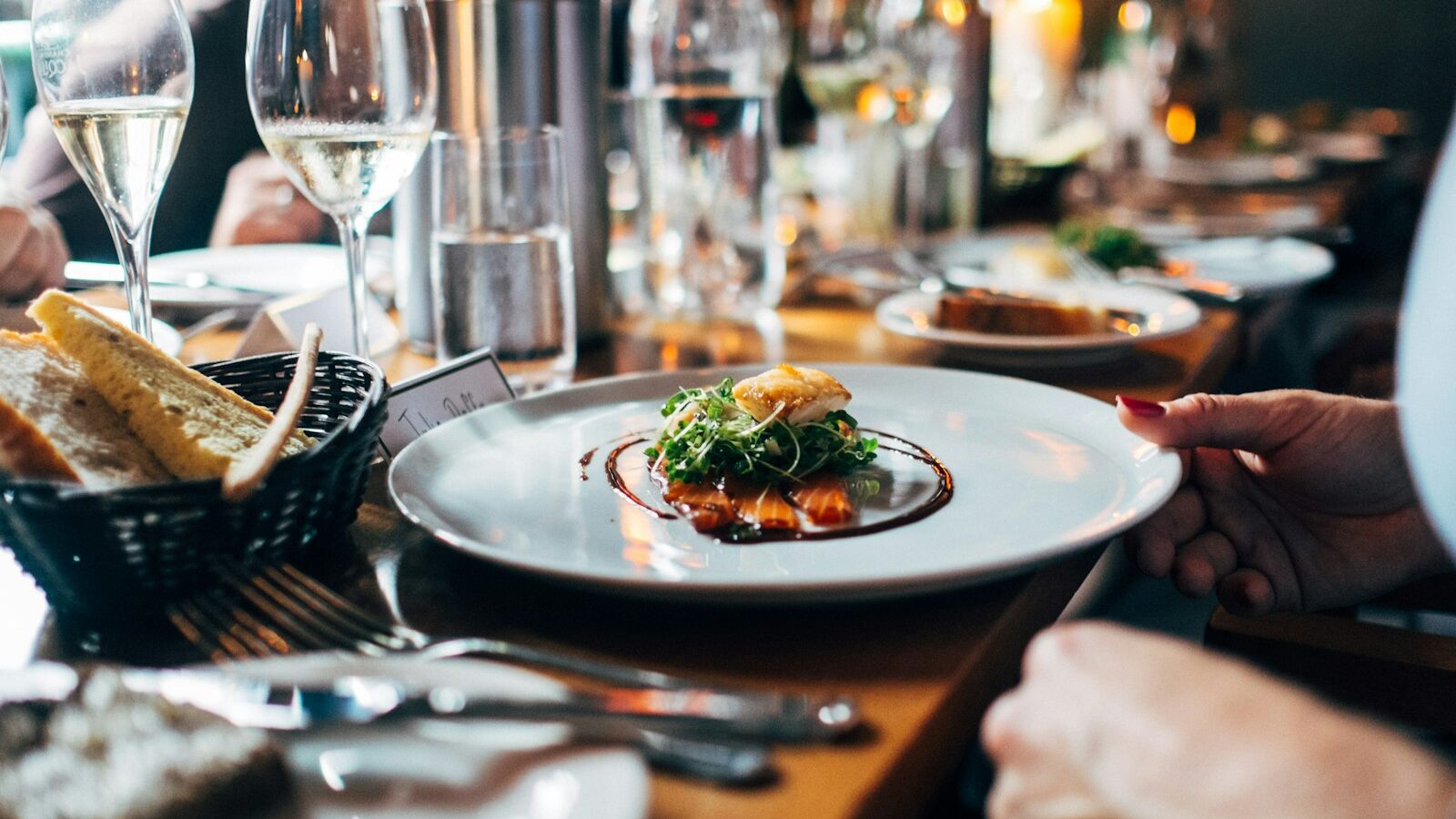
Reducing disposables dining out is one of the simplest green habits to pick up, because so much of the waste is stuff you never really wanted in the first place. The extra straw, the plastic bag for a single drink, the cutlery set you already have at home: a few small tweaks to how you order and carry your food can quietly remove all of it. This guide is for ordinary Singapore residents who eat at hawker centres, food courts and coffeeshops, and who want to cut waste without making a fuss at the counter.
None of this is about perfection. It is about defaults. Once “no straw, no bag, dabao in my own container” becomes second nature, you stop generating a small mountain of packaging without even thinking about it.
Why Dining Out Piles Up Waste
Singapore loves eating out, and that convenience comes wrapped in a lot of single-use material. A typical takeaway lunch might involve a plastic or paper box, a lid, a carrier bag, disposable cutlery, a napkin and a drink cup with a straw. Multiply that by three meals a day across a dense city and the volume is enormous.
Most of these items are used for minutes and then discarded. Recycling is not a rescue here: food-soiled containers usually cannot be recycled and instead contaminate the blue bin, which is why avoiding the item in the first place beats trying to recycle it afterwards. If you want the fuller picture of what happens after you toss something, the sibling guide on understanding compostable and biodegradable packaging is a useful, honest read, because those labels promise less than people assume.
Small Swaps With the Biggest Payoff
You do not need a cupboard of special gear. Start with the handful of swaps that remove the most waste for the least effort.
- Eat in whenever you can. Dining at the hawker centre or food court on the stall’s own crockery is the zero-packaging option. The cleaning is handled centrally, so you generate almost no waste.
- Say no to what you will not use. A quick “no straw, no plastic bag, no cutlery please” when you order stops the item at the source. Most stallholders are happy to skip it.
- Carry a slim kit. A reusable straw, a foldable set of cutlery and a compact bag live easily in a work bag or handbag. That is enough for most situations.
- BYO container for dabao. Bringing your own container for takeaway removes the single biggest item, the box and lid. Many stalls will pack into it if you hand it over clean and ask politely.
- Skip the bag for a single item. One drink or one packet does not need a carrier bag. This also dovetails with the disposable bag charge at supermarkets, which is nudging everyone the same way.
A Simple Plan for Different Situations
Dining out is not one scenario, so match the tactic to the setting. The table below shows the lowest-waste move for common cases, and a realistic fallback for when you are caught without your kit.
| Situation | Lowest-waste choice | If you forgot your kit |
|---|---|---|
| Lunch at a hawker centre | Eat in on the stall’s crockery | Decline straw, bag and cutlery |
| Dabao back to the office | Bring your own container and cup | Take the box, refuse the extra bag |
| Coffee or bubble tea run | Bring a reusable cup or tumbler | Refuse the straw and carrier bag |
| Food delivery at home | Order less often, note “no cutlery” | Wash and reuse the container once |
| Buffet or catered event | Use the venue’s proper crockery | Take one plate, avoid stacking waste |
The point of the fallback column is that a forgotten kit is not a failure. Refusing the straw and bag alone still removes real waste, so do the version you can.
Handling the Awkward Moments
The biggest barrier is rarely practical; it is the worry about looking demanding at a busy stall. A few gentle habits smooth this over.
- Ask early and briefly. Say your “no straw, no bag” as you order, before anything is packed. It is faster for everyone than unpacking afterwards.
- Hand over a clean, dry container. If you are asking a stall to pack into your own box, make it easy for them: open, clean and ready. During peak hours, be patient or pick a quieter moment.
- Accept the occasional no. Some stalls have hygiene rules or simply cannot manage it mid-rush. Thank them and try again another time rather than pushing.
- Keep your kit clean. Wash reusables promptly so they are ready to go and never smell. A container that is a hassle to maintain is one you will leave at home.
- Lead by example, not lecture. Colleagues and friends notice quietly. A cheerful habit spreads far better than a guilt trip ever will.
Food safety still comes first. Make sure your own containers and cutlery are properly washed, and do not ask stalls to pack hot food into anything unsuitable. Common sense keeps this both green and safe.
Making It a Lasting Habit
The trick to reducing disposables dining out is to stop relying on willpower and start relying on systems. Keep a spare set of cutlery and a folded bag permanently in your work bag so you are never caught short. Park a clean container by the door on days you know you will dabao. Choose a regular reusable cup for your coffee run so it becomes part of the ritual rather than an extra decision.
Delivery deserves its own mention, because it can undo a lot of good work. Ordering in tends to generate the most packaging per meal, so treating it as an occasional treat rather than a daily default is one of the highest-impact moves here. When you do order, tick the “no cutlery” option and consolidate orders where you can. The companion guide on reducing waste from food delivery goes deeper on this.
None of these habits demand much, and together they slot neatly into a broader sustainable daily routine. Start with eating in and refusing the straw and bag this week, add a container and a reusable cup when you are ready, and let the new defaults do the rest. Small, repeatable, and genuinely less wasteful is exactly the point.
Related across Sky Media: Healthy Eating When Dining Out and Socialising · Saving Money Dining Out in Singapore: Eat Well, Spend Less