
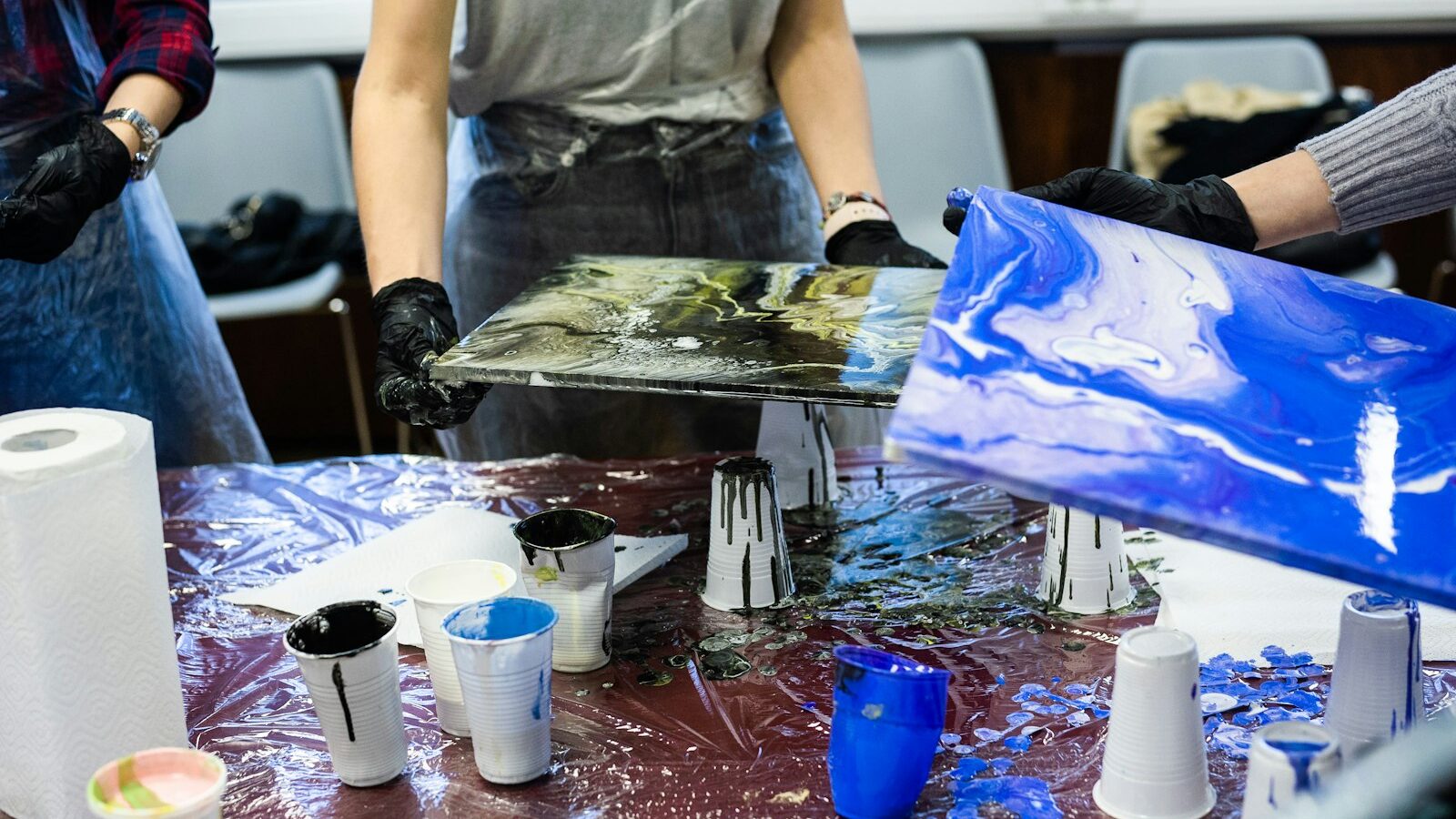
There is something mesmerising about watching liquid resin settle into a flawless, glassy surface, catching the light like still water and locking a swirl of colour or a pressed flower in place forever. A resin art workshop in Singapore hands you the tools and guidance to create exactly that, turning a couple of hours into a piece you will actually use and display at home. It is tactile, a little bit alchemical, and surprisingly beginner friendly, which is why these sessions have become such a popular way to spend a creative afternoon.
Resin art has bloomed across Singapore’s craft scene, with studios and pop up workshops offering everything from coasters to statement trays. This guide explains what you make and how, the formats you can choose, the safety points that genuinely matter with this medium, and how to pick a session that suits you. Because resin involves chemicals and curing times, a little understanding goes a long way towards a smooth, enjoyable experience.
What you make and how it works
Resin workshops centre on epoxy resin, a clear liquid that starts as two parts, a resin and a hardener, which you mix together in careful proportion. Once combined, a chemical reaction begins and the mixture slowly cures from a pourable liquid into a solid, glossy, glass like finish. The magic is in that transformation, and a good facilitator handles the precise measuring and mixing, or guides you closely through it, so your piece cures properly.
Within that process, the creative choices are yours. You will typically colour the resin with pigments, inks, mica powders or metallic flakes, then pour, tilt and swirl to create marbled patterns, ocean waves, cloudy skies or abstract washes of colour. Many workshops let you embed objects too, such as dried and pressed flowers, gold leaf, shells, glitter or small keepsakes, suspended as if floating in glass. Popular projects include coasters, trinket trays, small tables, clocks, bookmarks, keychains and resin jewellery like pendants and earrings.
Here is the one catch worth knowing before you book. Resin does not cure instantly. Depending on the product, a piece needs many hours, often overnight or longer, to fully harden. This means you usually will not carry your finished piece home the same day. Most studios cure it for you and arrange collection later, or post it to you. During the session you do the fun, creative part, the mixing, colouring and pouring, and the resin does its slow work afterwards.
Class formats to choose from
Resin workshops come in a range of formats, and the right one depends on what you want to make and who you are coming with.
| Format | Best suited to | What to expect |
|---|---|---|
| Group class | Solo learners and friends | A shared table, a set project such as coasters or a tray, guided throughout |
| Private session | Special occasions and small groups | Your own facilitator, more project choice, a relaxed personal pace |
| Couples workshop | Date nights | Making a matching pair or a shared piece, light and creative |
| Jewellery focused class | Those wanting wearable pieces | Smaller moulds for pendants, rings and earrings, fine and detailed work |
| Team building | Offices and larger groups | Everyone pours their own piece, colourful and low pressure, a keepsake each |
Group classes are the most common entry point and suit complete beginners, walking everyone through the same project. Private and couples sessions offer more flexibility and attention. If you want something to wear, seek out a jewellery focused class, which works with smaller moulds and finer detail. For workplaces, team building versions make a relaxed, hands on outing. Prices, schedules and projects vary between operators and change over time, so check current listings and confirm with the studio when you book.
Safety comes first with resin
Resin is a wonderful medium, but it is a chemical product, and treating it with respect keeps the experience safe and pleasant. A reputable studio takes this seriously, and you should follow every instruction your facilitator gives, along with the specific product guidance, closely.
Ventilation matters. Uncured resin can give off fumes, so classes should be held in well ventilated spaces, and you should never lean in and breathe directly over your mixing cup. Skin and eye contact is the main thing to avoid, as uncured resin can irritate skin and trigger sensitivities with repeated exposure. Wear the gloves provided throughout, keep your hands away from your face and eyes, and if any resin touches your skin, clean it off promptly as your facilitator directs. Wear clothes you do not mind marking, since cured resin is very hard to remove from fabric.
Two other points are worth stressing. Resin work is generally not suitable for very young children because of the chemicals and the care required, so check the minimum age if you are hoping to bring little ones, and look instead for family friendly craft alternatives for the youngest. And if you are pregnant or have known chemical sensitivities, it is sensible to check with the studio and consider your comfort before booking. When handled properly, with gloves, ventilation and a careful facilitator, resin art is a safe and thoroughly enjoyable craft.
How to choose the right workshop
Start with the piece you want to end up with. If you love the idea of a marbled tray or ocean themed coasters, a general resin art class is perfect. If you want something wearable, choose a jewellery session. Think about whether you would like to embed keepsakes such as pressed flowers, and check the workshop offers that. Beginners are welcome at almost every session, so no experience is needed at all.
Consider the practicalities. Confirm how and when you collect your cured piece, since you likely will not take it home on the day. Check the class size, as smaller groups mean more guidance with the pouring. Wear old or dark clothing you do not mind staining, closed shoes, and remove rings and bracelets before you glove up. Tie back long hair. Come ready to embrace a little unpredictability, because resin flows and swirls in its own way, and that happy element of chance is part of the charm.
Why it is worth doing
A resin workshop gives you a genuinely useful, beautiful object and the quiet thrill of watching colour freeze in glass. It is a calming, absorbing few hours that suits both solo makers and groups, and it leaves you with a keepsake far more personal than anything off a shelf. You will look at your finished coaster or pendant and remember the swirl of the pour that made it. Book a resin art workshop, pull on those gloves, and discover how satisfying it is to capture a little pool of colour and light in something you made yourself.