
Few cities blend old and new as dramatically as Shanghai. On one side of the river stand the grand stone facades of the Bund, a reminder of the city’s trading past; on the other, a skyline of glass towers lights up the night. For anyone considering Shanghai from Singapore, the draw is a fast, modern, endlessly walkable metropolis that still hides quiet lanes, leafy plane-tree streets, and some of the best food in China. It is a city that runs on efficiency, which makes it an easy first step into mainland China for travellers used to Singapore’s own pace and polish.
This guide covers why Shanghai is worth your time, when to go, how to get there broadly from Singapore, the districts to base yourself in, and the food and practical details that make a first visit smooth.
Why Visit Shanghai
Shanghai is China’s showcase of contrasts. Within a short walk you can pass a century-old villa in the former French Concession, a hyper-modern shopping street, and a temple where incense still curls into the air. It is cosmopolitan and outward-looking, with a cafe culture, a design scene, and a nightlife that rival any global city, yet the everyday textures of Chinese life, morning markets, dumpling stalls, elderly neighbours playing cards, are never far away.
For Singapore travellers, the familiarity helps. The city is clean, orderly, and remarkably safe, the public transport is excellent, and mobile payments are woven into everything. That combination of the exotic and the effortless is what keeps people coming back.
Best Time To Visit
Shanghai has four distinct seasons, which is part of the appeal for anyone used to Singapore’s steady heat.
- Spring, roughly March to May, brings mild temperatures and blossoms, and is widely considered one of the loveliest windows.
- Autumn, roughly September to November, offers crisp, comfortable days and clear skies, another favourite.
- Summer is hot, humid, and prone to rain, closer to what Singaporeans know, though it can still be pleasant in the evenings.
- Winter is cold and damp, occasionally dipping toward freezing, so pack proper layers if you visit then.
Try to avoid the major public holidays if you can, when domestic travel peaks and popular sights get very crowded. Weather varies year to year, so check a current forecast for your dates before you pack.
Getting There From Singapore
Shanghai lies to the north of Singapore, and the flight is a medium-haul journey of several hours, with a range of direct and connecting options that shift by season and airline. The city has two main airports; one sits closer to the centre and the other further out, and both connect to the city by metro, high-speed maglev, or taxi.
Fares and schedules change constantly, so compare a few dates and set an alert rather than relying on one quote. Crucially, sort out entry requirements early. Mainland China’s visa rules vary by nationality and change from time to time, and there are transit and short-stay arrangements that may or may not apply to your trip. Check the current official guidance for your passport well ahead of booking, and confirm your passport has comfortable validity. For the bigger picture on easy-entry destinations, our visa-free countries for Singaporeans guide is a helpful reference point.
Key Districts To Explore
Shanghai is huge, so it pays to understand its main areas before choosing where to stay. Here is a rough comparison.
| District | Best for | Rough vibe |
|---|---|---|
| The Bund and city centre | First-time sightseeing, river views | Iconic, busy, well connected |
| Pudong | Skyscrapers, malls, modern icons | Sleek, spacious, futuristic |
| Former French Concession | Cafes, boutiques, leafy strolls | Charming, low-rise, relaxed |
| Jing’an and Nanjing Road | Shopping, dining, nightlife | Central, energetic, convenient |
| Old City and Yu Garden | Temples, gardens, traditional lanes | Historic, touristy, atmospheric |
The Bund is the classic starting point, best at dusk when the Pudong towers across the Huangpu River begin to glow. The former French Concession is where many travellers fall in love with the city, all tree-lined streets, tucked-away cafes, and independent shops. Pudong is the district of superlatives, home to the tallest towers and grandest malls, while the Old City around Yu Garden preserves a more traditional, temple-and-teahouse feel.
Top Things To Do
- Walk the Bund at night. The waterfront promenade with the illuminated skyline opposite is Shanghai’s signature view, and it is free.
- Wander the French Concession. Give yourself an afternoon with no fixed plan to drift through its lanes, cafes, and boutiques.
- Go up a skyscraper. One of Pudong’s observation decks gives a jaw-dropping perspective on the city’s scale, especially near sunset.
- Explore Yu Garden and the Old City. The classical garden and surrounding bazaar are touristy but genuinely atmospheric, and the dumplings nearby are a reward.
- Ride the metro everywhere. The system is vast, cheap, and signposted in English, making it easy to reach neighbourhoods most visitors miss.
Food Worth Travelling For
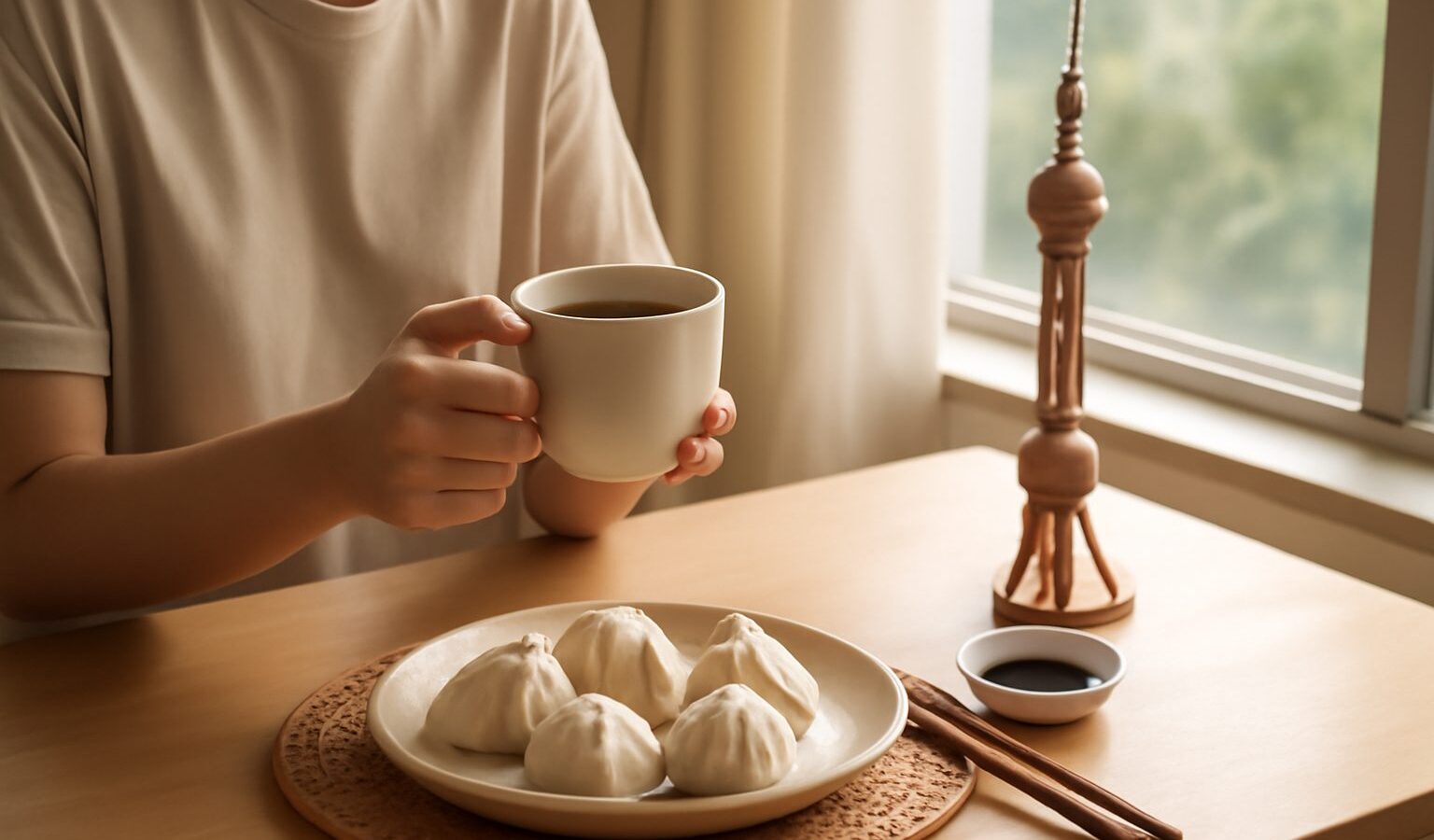
Shanghai’s food leans sweeter and richer than the fiery cooking of some other Chinese regions, and it is superb. The star is xiaolongbao, the soup-filled dumplings you lift carefully, nibble open, and sip before eating; queuing at a well-known spot is part of the ritual. Shengjianbao, pan-fried pork buns with a crisp base, are the messier, more indulgent cousin.
Beyond dumplings, look for braised pork belly glossy with soy and sugar, delicate drunken chicken, hairy crab in season, and hand-pulled noodles in clear broth. The city is also a magnet for regional Chinese cuisines and international dining, so a few days here can be a full culinary tour on their own.
Practical Tips For Singapore Travellers
- Sort your phone and payments. Mobile payment apps and a working data connection are close to essential, since cash and foreign cards are not always accepted; set these up before you go.
- Plan around the Great Firewall. Many familiar apps and sites may be restricted, so download offline maps and consider your connectivity options in advance.
- Carry your passport. You may need it for entry to some sights, hotels, and transport, and for ticketed attractions.
- Learn a few phrases. English is common in tourist zones but not everywhere, so a translation app earns its keep; our best travel apps for Singapore travellers roundup is a good place to start.
- Use the metro. It is fast, cheap, and far simpler than battling traffic by taxi.
A quick honest note: prices, schedules, opening hours, and entry and visa rules all change, so treat this as general orientation and verify current details, including your visa, before you commit.
Explore More
If a fast, food-forward city break appeals, compare Shanghai with other trips in our library. See our guides to Bandung from Singapore for a slower, greener escape, or Bohol from Singapore if you would rather trade skyscrapers for beaches. And before you head to the airport, our Changi Airport guide will help you glide through your departure.