
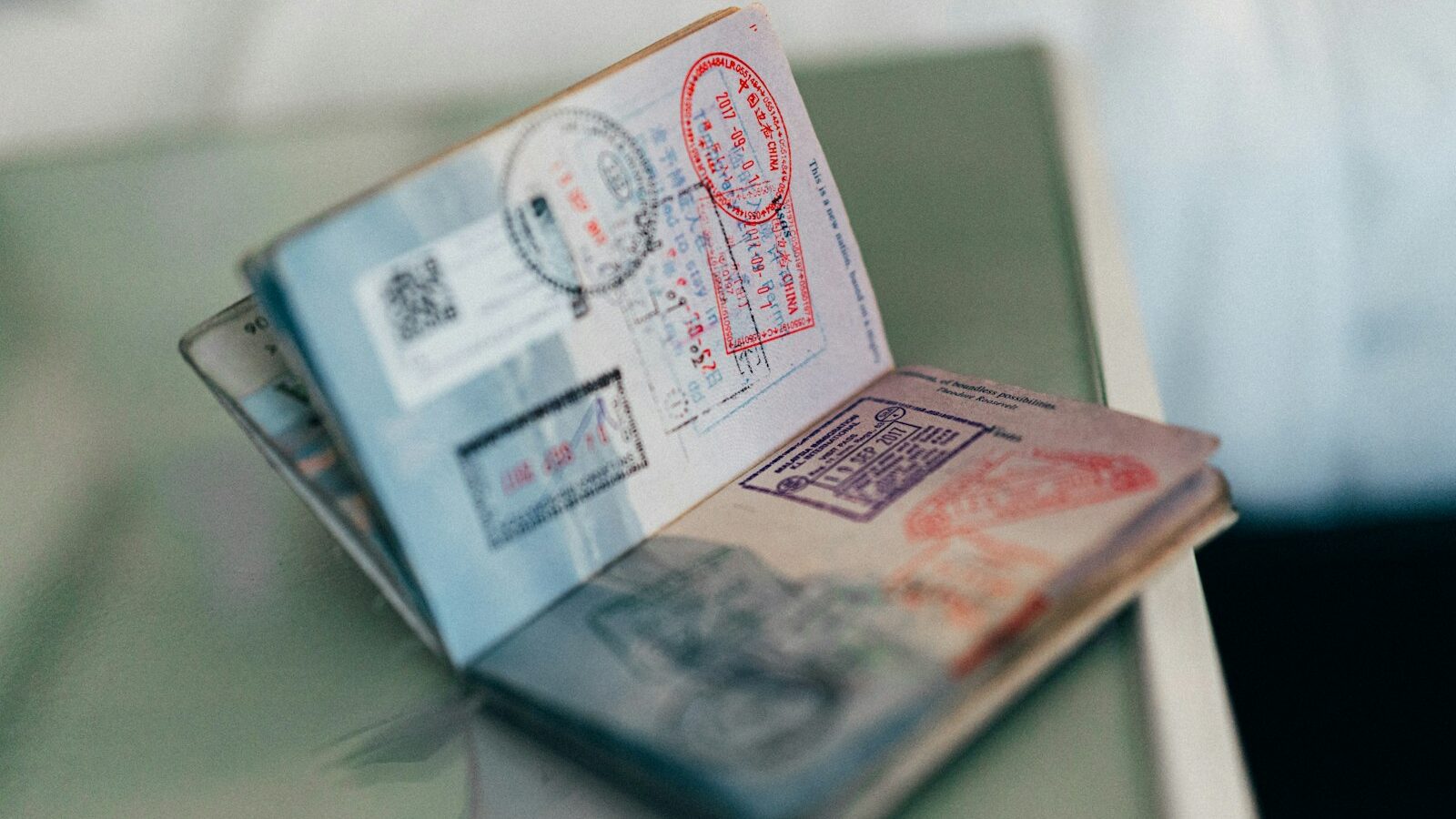
The Singapore passport is one of the most powerful in the world, granting Singaporeans visa-free or easy access to a huge number of countries. This makes travel wonderfully convenient, but it pays to understand the details. This guide explains visa-free travel for Singaporeans and how to check requirements.
This is a general overview, not official advice. Entry requirements are set by each destination and change frequently, so always verify current requirements before you travel.
The power of the Singapore passport
The Singapore passport is consistently ranked among the most powerful in the world, offering visa-free or visa-on-arrival access to a very large number of countries and territories. This is a significant advantage for Singaporean travellers, making spontaneous and convenient travel to many destinations possible without the hassle and cost of obtaining visas in advance. It reflects Singapore’s strong international standing and relationships. For travellers, it means much of the world is easily accessible, and planning trips is simpler. However, powerful as it is, the passport does not grant automatic entry everywhere, and requirements vary and change, so understanding the details matters.
Visa-free versus visa-on-arrival
| Type | What it means |
|---|---|
| Visa-free | Enter without a visa, up to a permitted stay |
| Visa-on-arrival | Obtain a visa upon arrival, often easily |
| Electronic authorisation | Apply online before travel (e.g. an ETA) |
| Visa required | Obtain a visa in advance |
It helps to understand the categories. Visa-free means you can enter without arranging a visa, usually for a defined length of stay. Visa-on-arrival means you obtain a visa when you arrive, typically a simple process. Some countries require an electronic travel authorisation applied for online before departure, which is not a full visa but a required step. And some destinations still require a visa arranged in advance. Knowing which applies to your destination is essential, as even visa-free travel comes with conditions like permitted stay length.
Conditions still apply
Even with a powerful passport and visa-free access, conditions apply that travellers must heed. Visa-free entry usually comes with a maximum permitted stay, which you must not exceed. Your passport typically needs sufficient validity remaining, often at least six months. Some countries require proof of onward travel or sufficient funds. Entry is ultimately at the discretion of immigration authorities. And requirements can change, sometimes at short notice. So while the Singapore passport makes travel easy, it does not remove the need to check the specific, current requirements for your destination and to meet the conditions of entry.
How to check requirements
Because requirements vary by destination and change frequently, always verify the current entry requirements before you travel.
- Check official sources, such as the destination’s official information and reputable government travel resources.
- Confirm the visa status for your specific passport and purpose of travel.
- Note any electronic authorisation you must apply for in advance.
- Check passport validity requirements.
- Verify any other conditions, such as onward travel or funds.
- Check close to departure, as requirements can change.
Making this check a routine part of trip planning ensures you are never caught out by a requirement you missed.
Why it matters
Failing to meet entry requirements, even inadvertently, can result in being denied boarding or entry, so this check genuinely matters despite the passport’s power. It is easy to assume visa-free access means no preparation is needed, but overlooking an electronic authorisation, insufficient passport validity, or a changed requirement can derail a trip. A few minutes verifying requirements before booking and before departure protects you from costly problems. The convenience of the Singapore passport is best enjoyed alongside this simple diligence, ensuring your travels are as smooth as your passport allows and free from avoidable entry issues.
The takeaway
The Singapore passport is one of the world’s most powerful, granting Singaporeans visa-free or easy access to a huge number of countries and making travel wonderfully convenient. However, visa-free access comes with conditions, permitted stay lengths, passport validity, sometimes electronic authorisations or proof of onward travel, and requirements change frequently. So while much of the world is easily accessible, always verify the current, specific entry requirements for your destination before you travel, using official sources. Enjoy the convenience your passport offers, paired with this simple diligence, and your travels will be smooth and hassle-free.
Regional differences worth knowing
Visa-free access is not uniform across the world, and the rules that apply often depend on the region you are visiting. Understanding these broad patterns helps you plan without assuming that one destination behaves like another. Within Southeast Asia, travel is generally straightforward for Singaporeans, though permitted stay lengths and conditions still differ from country to country. Further afield, some regions have moved towards electronic pre-clearance systems that you must complete online before you fly, even when no traditional visa is needed.
- Neighbouring and ASEAN destinations tend to be easy to enter, but each sets its own maximum stay, so confirm the exact number of days permitted for your trip.
- Europe and some other regions are introducing or expanding online travel authorisation schemes, which are separate from a visa and must be arranged in advance, so check whether your destination requires one.
- Popular long-haul destinations may require an electronic authorisation, proof of onward travel, or evidence of accommodation, so read the entry rules in full rather than assuming visa-free means no paperwork.
- Transit points can have their own requirements even if you never leave the airport, so verify the rules for any country you pass through, not just your final destination.
Because these arrangements are set by each destination and are periodically updated, treat the categories above as a starting point rather than a fixed rule. Always confirm the current position for your specific route before you commit to bookings.
Practical steps before you fly
Verifying entry requirements is the most important part of preparing, but a few additional habits make the whole journey smoother and reduce the chance of an unpleasant surprise at the gate or the border. These steps take little time yet add a useful layer of protection to any trip abroad.
- Check your passport validity early, ideally when you first plan the trip, and renew it in good time through ICA if it is close to the commonly required six months of remaining validity.
- Complete any online authorisation promptly, since some systems ask you to apply days before travel and approval is not always instant.
- Keep copies of key documents, both printed and stored securely on your phone, including your passport details, return ticket, and accommodation booking.
- Consider travel insurance appropriate to your destination and activities, and understand what it covers before you depart.
- Build in a small buffer so you are not relying on a last-minute approval or a passport that expires soon after your return.
Making these checks a routine part of your planning means the convenience of the Singapore passport is matched by preparation that keeps your trip on track from booking to touchdown.
Explore more: Renewing your Singapore passport · Solo travel from Singapore · Best travel apps for Singaporeans