
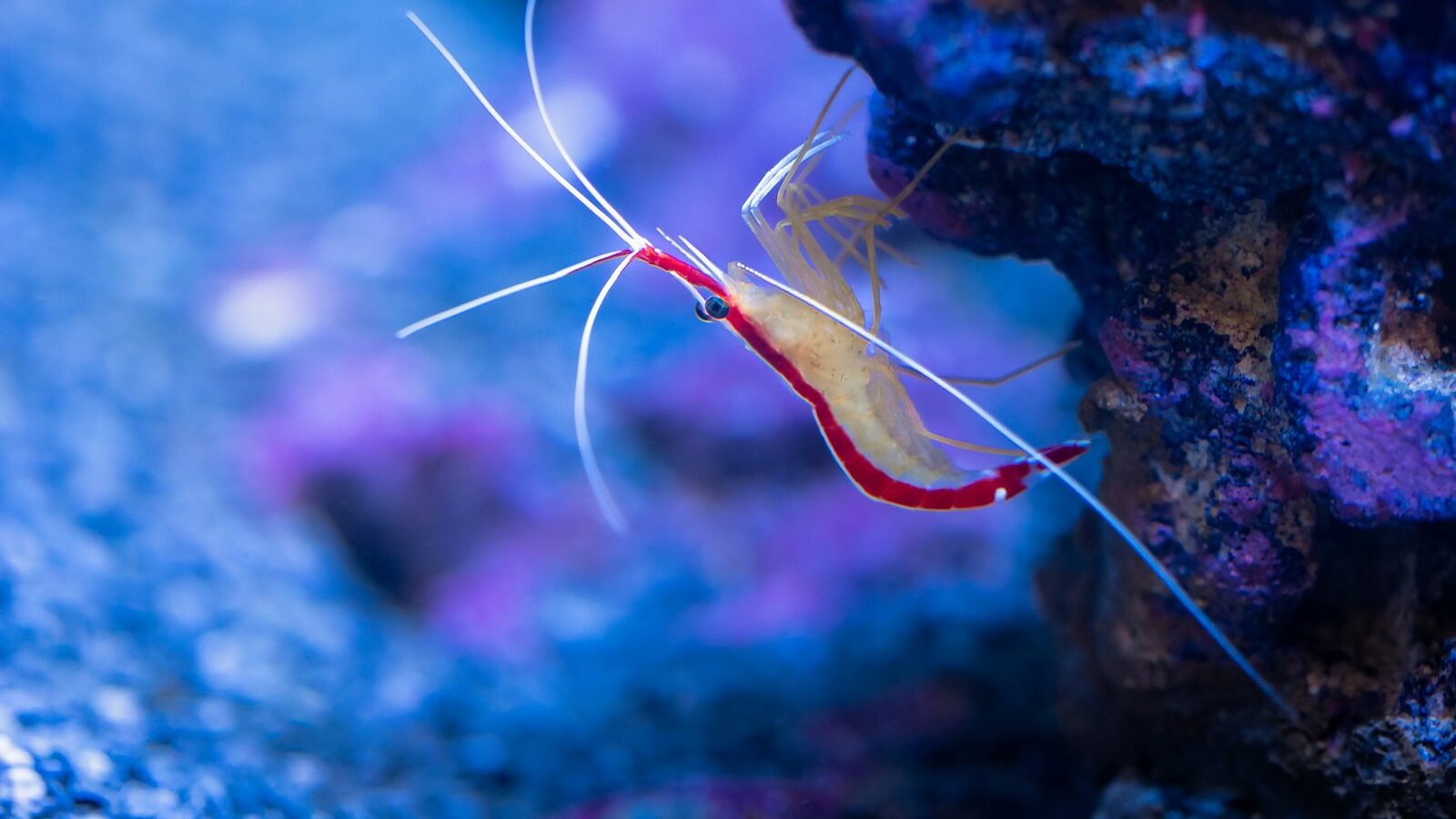
A shrimp nano tank is one of the gentlest ways to bring a slice of living water into a Singapore flat. Picture a small planted aquarium, often just ten to twenty litres, alive with a shoal of tiny red cherry shrimp grazing over mossy wood while a couple of snails polish the glass. It needs no big footprint, no noisy filter and no daily fuss, which suits HDB living beautifully. It does, however, ask for patience and a little know-how before the first animal goes in. This guide walks a first-timer through the basics. It is general information for hobbyists, not veterinary or specialist advice, so read widely and ask an experienced fishkeeper or a licensed aquatics shop for help with your own setup.
What a Shrimp Nano Tank Actually Is
A nano tank simply means a very small aquarium. Paired with shrimp and snails rather than fish, it becomes a low-demand, low-space world that thrives on stability. The stars are usually neocaridina shrimp, better known as cherry shrimp, which come in cheerful reds, oranges and blues, and nerite snails, whose patterned shells and tireless appetite for algae make them the tidiest little cleaners around.
The appeal is real. These animals are small, quiet and inexpensive to feed, and a planted nano tank on a shelf or desk is genuinely calming to watch. Shrimp are also fascinating to observe as they forage, moult and, if conditions are right, breed on their own.
The catch is that small volumes of water swing quickly. In a big tank, a mistake dilutes; in a few litres, the same mistake concentrates. Heat, ammonia and sudden changes hit harder. That is why the single most important skill is not choosing pretty shrimp but keeping the water steady.
Setting Up and Cycling the Water
Before any living thing arrives, your tank needs to go through a process called cycling. Cycling means growing a colony of helpful bacteria that turn toxic fish and food waste, first ammonia, then nitrite, into far less harmful nitrate. Skipping this step is the most common reason beginner tanks fail, because ammonia and nitrite are deadly to shrimp even in tiny amounts.
A simple starting kit looks like this:
- A tank of around ten to twenty litres, which is more forgiving than something truly tiny.
- A gentle sponge filter or a low-flow filter, since strong currents tire shrimp and can suck up babies.
- An inert or shrimp-specific substrate, plus a few hardy live plants like java moss, java fern or anubias.
- A small piece of driftwood and some leaf litter for grazing and hiding.
- A thermometer and a basic liquid test kit for ammonia, nitrite, nitrate and pH.
Set up the hardscape and plants, fill with dechlorinated water, switch on the filter and then wait. Cycling typically takes four to eight weeks. You feed the bacteria a small ammonia source and test regularly. The tank is ready only when ammonia and nitrite both read zero and a little nitrate has appeared. In Singapore’s warmth you rarely need a heater, but you may need to keep the tank out of direct sun and away from hot windows so the temperature does not climb too high.
Choosing Between Cherry Shrimp and Nerite Snails
Most beginners keep both, and the two complement each other well. Understanding their differences helps you stock sensibly and avoid disappointment.
| Feature | Cherry shrimp | Nerite snails |
|---|---|---|
| Main job | Grazing, foraging, gentle clean-up | Eating algae off glass and decor |
| Best kept | In a group of ten or more | One or two in a nano tank |
| Breeding in tank | Yes, readily in soft fresh water | No, larvae need brackish water |
| Sensitivity | Very sensitive to water swings | Hardier, but still needs stability |
| Watch out for | Copper, moulting stress, predators | Escaping the lid, upside-down snails |
Add livestock slowly and only after the tank has fully cycled. Float the sealed bag to match temperature, then drip-acclimatise over an hour or two by adding tank water to the bag in small amounts, because shrimp especially hate abrupt changes. Start with a modest number, watch for a week, and resist the urge to overstock a small volume.
Water Parameters and Everyday Care
Steady water is everything. Cherry shrimp are happiest in stable, moderately soft to neutral water, while nerites tolerate a slightly wider range. Rather than chasing perfect numbers, aim for consistency and gentle change.
- Test the water regularly, especially in the first months, and keep ammonia and nitrite at zero.
- Do small partial water changes, around ten to twenty per cent, using dechlorinated, temperature-matched water. Small and frequent beats large and sudden.
- Feed lightly. A little algae, biofilm and the odd sinking pellet or blanched vegetable is plenty. Overfeeding fouls the water fast.
- Never let copper-based medications or certain plant fertilisers enter the tank, as copper is toxic to shrimp and snails.
- Keep a secure lid, since nerite snails are famous escape artists that will climb out and dry up on the floor.
- Watch for moulting shrimp, which shed their shells to grow. Leave the cast shell in the tank, as they often eat it back for minerals.
If shrimp cluster at the surface, dart about oddly or die suddenly, treat it as a water-quality warning. Stop feeding, test at once, and do a careful water change. A calm, planted, well-cycled tank is your best insurance against most problems.
Keeping It Legal and Buying Responsibly
Before you buy anything, check that your chosen animals are permitted. In Singapore, only species on the current NParks AVS approved-pet list may be kept, and the rules do change. Common cherry shrimp and nerite snails are widely available through licensed aquatics shops, but you should confirm the current AVS position rather than assume, and never keep anything simply because it is sold somewhere online.
A few responsible habits go a long way:
- Buy from licensed, reputable aquatics sources and ask about the animals’ origin and health.
- Never release shrimp, snails, plants or tank water into drains, ponds, reservoirs or the sea. Released animals and plants can become invasive and harm local waterways, and it is irresponsible and may be unlawful.
- Rehome surplus shrimp to fellow hobbyists rather than letting a tank become overcrowded.
- If you ever take on larger or unusual aquatic species later, check the AVS list again, since many exotics are not allowed.
A shrimp nano tank rewards a slow, thoughtful start. Cycle the tank properly, keep the water steady, stock lightly from licensed sources, and you will have a tiny, living landscape that asks very little and gives a great deal of quiet pleasure. When something looks wrong and simple water care does not fix it, ask an experienced keeper or a trusted aquatics shop, and for any concern about a pet’s health seek advice from someone qualified to help.