
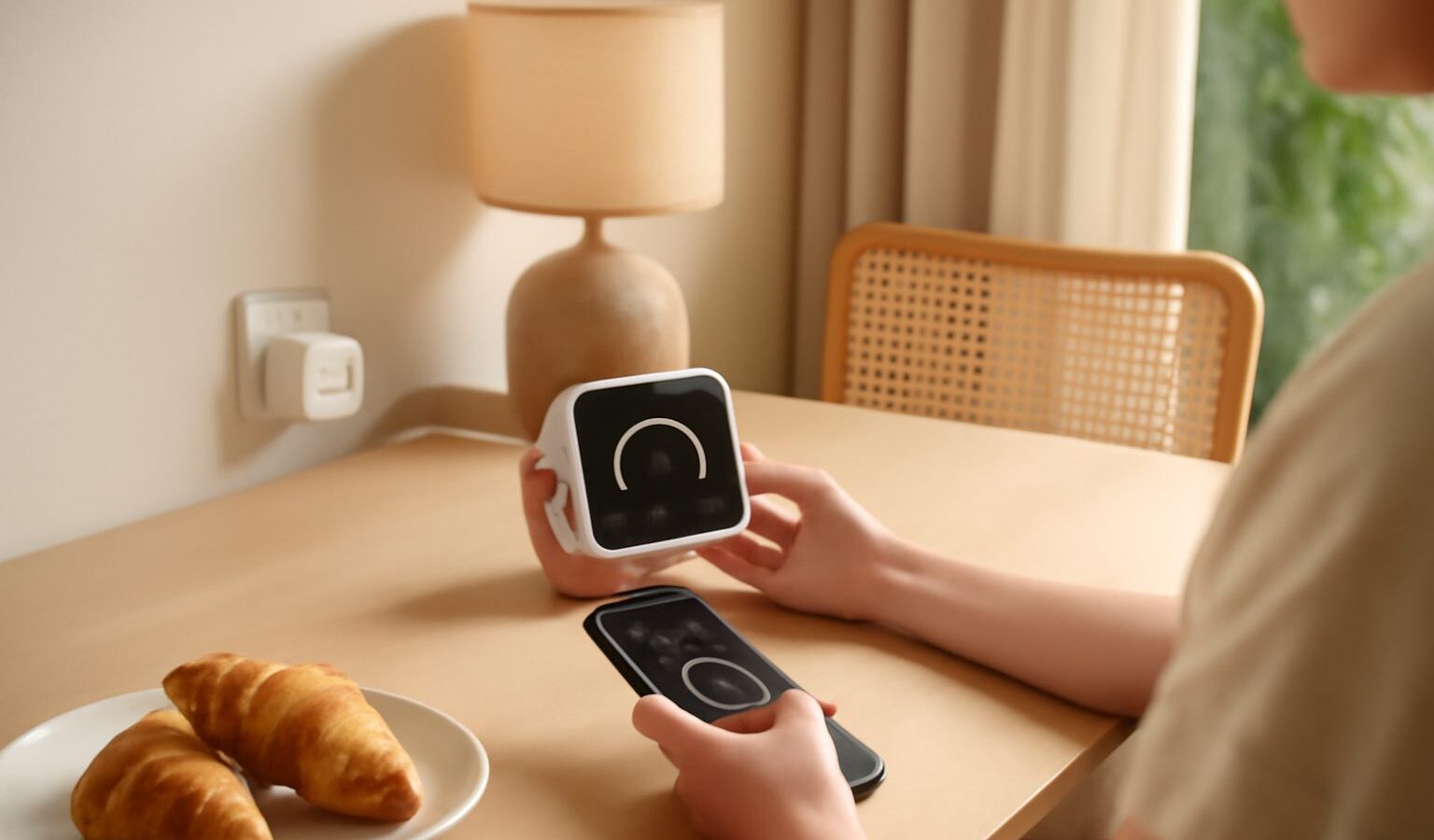
Home energy monitoring in Singapore has become genuinely easy, and it is one of the few tech upgrades that can quietly pay for itself. Once you can see which appliances draw the most power and when, cutting waste stops being guesswork. This guide explains the simple tools that reveal your usage, how to read what they show you, and the everyday habits that make the biggest difference, all without any invented figures or tariffs.
The idea is not to obsess over every watt. It is to shine a light on the handful of things that quietly cost the most, then make a few small changes you barely notice day to day.
Tools That Show You Where the Power Goes
You do not need a rewired home to start measuring. A range of plug-in and app-based tools give you a clear picture.
- Smart plugs with energy monitoring. These sit between the socket and an appliance and report how much electricity that device uses, viewable in an app. They are the simplest way to measure a single item such as a kettle, aircon unit, or entertainment setup.
- Plug-in power meters. A basic meter that plugs into the wall and shows the draw of whatever you connect is inexpensive and needs no app at all.
- Whole-home monitors. Some devices clip onto or connect near your main supply to estimate total household use. These give the big picture rather than per-appliance detail, and any fixed installation should be done properly and, if you rent, with your landlord’s approval.
- Appliance apps. Newer air-conditioners, washers, and other appliances sometimes report their own energy use in a companion app.
- Your utility statements and any provider app. Your regular bill and any online account already show your consumption over time, which is a useful baseline before you add any gadgets.
Start with one or two smart plugs on the appliances you suspect are heavy users. That alone often reveals surprises, such as a device that draws power even when it seems idle.
Reading Your Usage Sensibly
Numbers only help if you know what to look for. A few ideas make the data meaningful.
- Watts versus units. A device’s wattage tells you how hard it pulls at any moment. What you pay for is energy over time, usually measured in kilowatt-hours, which is wattage multiplied by how long it runs. A high-wattage kettle used briefly can cost less than a modest device left on all day.
- Look for the big and the constant. The appliances that matter most are either high-powered, such as air-conditioning and water heating, or always on, such as fridges, routers, and standby electronics. Small savings on something that runs every hour add up.
- Spot standby draw. Many devices use power while “off”. A smart plug will show this as a small but constant number, and it is often worth switching such devices off fully.
- Compare, do not fixate. Use the app to compare a week with the previous week, or before and after a change, rather than watching live numbers. Trends tell the real story.
The table below shows which measuring approach suits which goal, so you can pick the right tool for what you want to learn.
| Goal | Best tool | What it tells you |
|---|---|---|
| Measure one appliance | Smart plug or plug-in meter | Exact usage of that device over time |
| Find standby waste | Smart plug | Constant draw while a device is “off” |
| See the whole household | Whole-home monitor or utility app | Total consumption and broad trends |
| Track change over time | App history or utility statements | Whether a habit change actually helped |
Once you know your top few energy users, you can decide where a change is worth the small effort.
Habits That Cut Waste
Measuring is only half the story. The savings come from acting on what you see, and most changes are painless.
- Tackle air-conditioning first, since cooling is often the largest single load in a Singapore home. A slightly higher set temperature, using a fan alongside, cleaning filters so the unit runs efficiently, and a timer so it does not run all night can all help. Your smart plug or the aircon’s own app will show the effect.
- Cut standby power. Switch off devices fully rather than leaving them on standby, or put a cluster of them on a smart plug you can turn off in one tap overnight.
- Run heat-heavy appliances well. Boil only the water you need, keep the fridge door closed and its coils clear, and run full loads in the washer.
- Use schedules and automations. A smart plug can cut power to a water heater or entertainment setup on a schedule, so you are not relying on memory.
- Let in less heat. Curtains or blinds against direct sun reduce how hard your cooling has to work, which your monitoring will reflect over time.
- Maintain what you own. Clean filters, well-kept appliances, and up-to-date settings quietly keep consumption down.
Because you can measure before and after, you can see which of these actually moves the needle in your home rather than guessing, and focus your effort where it counts.
Keeping It Simple and Private
A monitoring setup should reduce stress, not add it. A few sensible boundaries help.
- Do not over-instrument. A handful of smart plugs on your biggest users is usually enough. You do not need to measure every socket.
- Secure the accounts. The apps that show your usage are tied to your accounts, so use strong, unique passwords and two-step verification, and keep the apps updated.
- Mind the data. Energy apps reveal patterns about when you are home. Review what you share and with whom, and remove devices you no longer use.
- Check anything fixed with your landlord if you rent, and prefer plug-in tools that leave no trace.
With those guardrails, monitoring stays a helpful background tool rather than another thing to manage.
Small Insight, Steady Savings
Home energy monitoring in Singapore turns a vague worry about the bill into a clear, manageable picture. Put a smart plug on your biggest suspects, watch the trends for a week or two, and act on the one or two changes that show the largest effect, usually around cooling and standby power. The tools are cheap, the effort is small, and the payoff is both a lower bill and the quiet satisfaction of knowing exactly where your electricity goes.
Explore more
Smart Plugs and Switches
Smart Home Setup
Setting Up Smart Lighting at Home
Choosing a Smart Home Ecosystem