
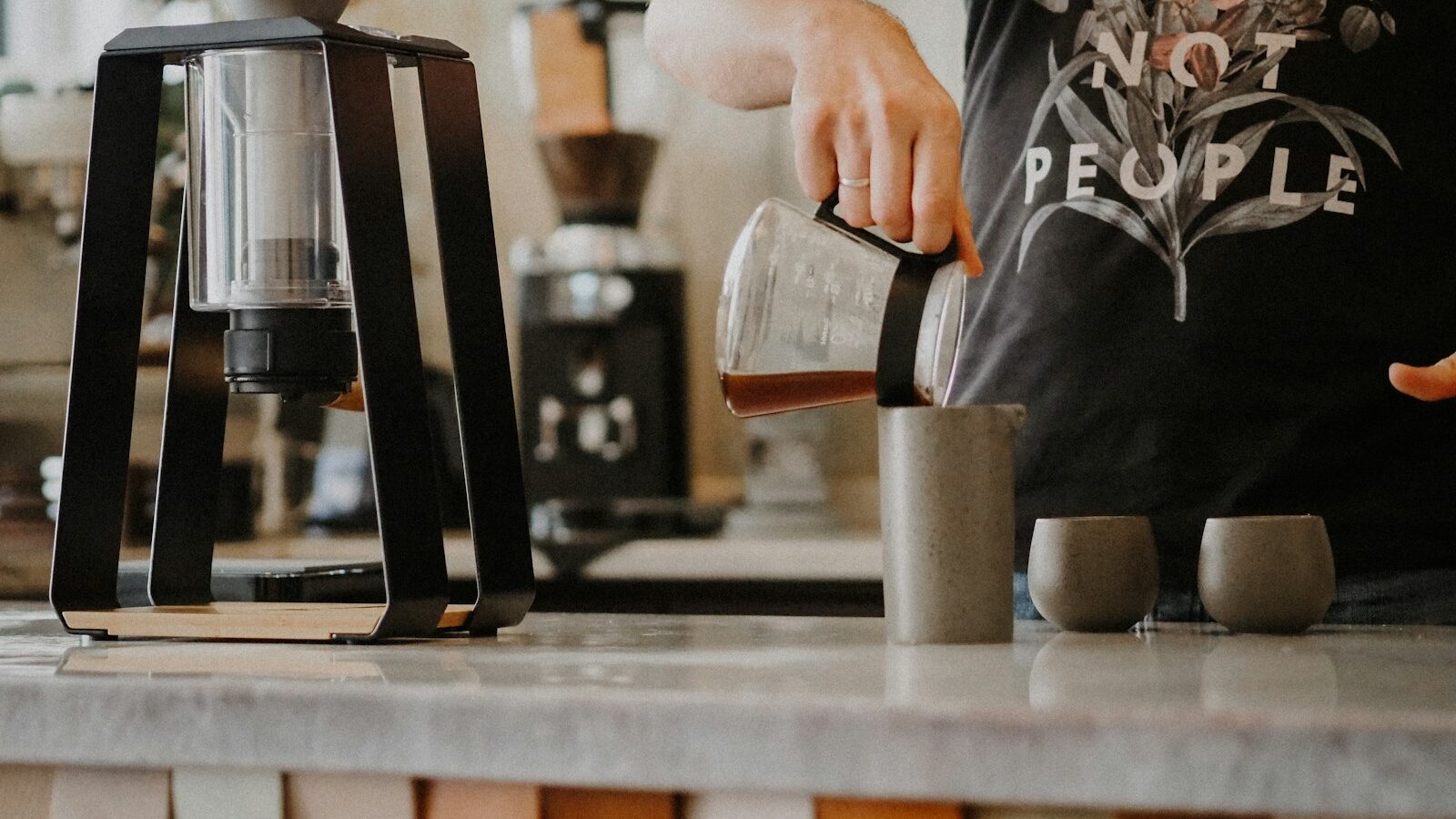
Alongside the traditional kopitiam, Singapore has embraced a thriving specialty coffee scene, with independent cafes roasting carefully sourced beans and brewing them with precision. If the menu of single origins and brew methods leaves you unsure, this guide explains what specialty coffee is and how to navigate it with confidence.
What specialty coffee is
Specialty coffee refers to high-quality coffee made from carefully grown, sourced and roasted beans, prepared with attention to bring out their distinct flavours. It is sometimes called third-wave coffee, an approach that treats coffee much like wine, celebrating the origin, variety and craft rather than just caffeine delivery. This contrasts with traditional local kopi, which has its own robust, beloved character but a different philosophy. Neither is better; they are simply different traditions, and many people happily enjoy both a strong kopi and a delicate pour over depending on the mood.
How it differs from kopi
Understanding the contrast helps you appreciate each on its own terms.
| Aspect | Traditional kopi | Specialty coffee |
|---|---|---|
| Beans | Often robusta, roasted with sugar | Carefully sourced, often arabica, lighter roasts |
| Flavour | Bold, dark, robust | Nuanced, highlighting origin characteristics |
| Preparation | Sock-brewed, served with condensed milk | Precise methods like espresso and pour over |
| Setting | Kopitiam | Independent cafe |
Where kopi is comforting and consistent, specialty coffee invites you to notice differences between beans and brews, from fruity and floral to chocolatey and nutty.
The common drinks
Specialty cafes offer a familiar range of espresso-based drinks, and knowing them helps you order.
- Espresso, a concentrated shot, the base of most drinks.
- Flat white, espresso with steamed milk and a thin layer of microfoam.
- Latte, espresso with more steamed milk, milder.
- Cappuccino, espresso with equal parts steamed milk and foam.
- Long black or Americano, espresso diluted with hot water.
Beyond milk drinks, you will find black coffee brewed by various methods for those who want to taste the bean clearly.
Brew methods explained
Part of the specialty experience is the range of brew methods, each producing a different cup.
- Espresso, forced through finely ground coffee under pressure, intense and rich.
- Pour over, hot water poured slowly over grounds in a filter, producing a clean, nuanced cup.
- Other manual methods, such as immersion brewers, each with their own character.
If you want to taste the distinct flavours of a single-origin bean, a pour over or other filter method is often the best showcase, while espresso and milk drinks suit those who like richness and body.
Reading the menu
Specialty menus can feature single origins, with details about where the beans come from and their flavour notes. A single origin means coffee from one place, prized for its distinct character, while blends combine beans for balance. Tasting notes like berry, citrus or chocolate describe what to expect, though they are guides rather than strict rules. Do not be intimidated: baristas are usually happy to recommend something based on whether you prefer bright and fruity or rich and chocolatey, so simply describe your taste and ask.
Building your appreciation
Developing a palate for specialty coffee is a pleasant, low-stakes journey.
- Start with what you like. If you enjoy milk drinks, begin there and branch out.
- Try a pour over to taste a coffee’s nuances more clearly.
- Ask the barista for recommendations based on your preferences.
- Notice, do not judge. Pay attention to aroma, acidity and body without worrying about getting it right.
- Explore roasters. Different cafes and roasters have distinct styles worth discovering.
Over time you will find the origins and roasts that speak to you, which is the real joy of the scene.
Where to find it
Singapore’s specialty coffee scene is vibrant, with independent cafes concentrated in neighbourhoods known for their cafe culture, from heritage districts to hip enclaves, as well as scattered through the heartlands. Many cafes roast their own beans or work closely with local roasters, and some double as lovely spaces to work or relax. Exploring different cafes is part of the fun, since each has its own character, house blend and approach to brewing.
Coffee as a daily ritual
What makes Singapore’s coffee culture so rich is that the traditional and the specialty exist happily side by side, each serving a different part of the day and a different mood. Many people start the morning with a robust kopi at the coffee shop and later linger over a carefully brewed pour over at a cafe, seeing no contradiction in enjoying both. Cafes have also become important social and working spaces, places to meet friends, read, or spend a productive few hours, adding a lifestyle dimension beyond the drink itself. This dual coffee culture, heritage kopi and modern specialty, reflects Singapore’s broader character: deeply rooted in tradition yet eagerly embracing the new, with room for both on the same street.
The takeaway
Specialty coffee offers a different pleasure from the beloved local kopi: a focus on carefully sourced beans, nuanced flavours and precise brewing that invites you to taste the origin in your cup. Learn the common drinks and brew methods, do not be daunted by single-origin menus, and lean on friendly baristas to guide you. Whether you come to savour a delicate pour over or simply enjoy a well-made flat white in a welcoming cafe, Singapore’s specialty coffee scene rewards curiosity, and the journey of discovering your own taste is a genuinely enjoyable one.
Explore more: Singapore cafe culture guide · Kopitiam culture and the toast set · Tea culture in Singapore