
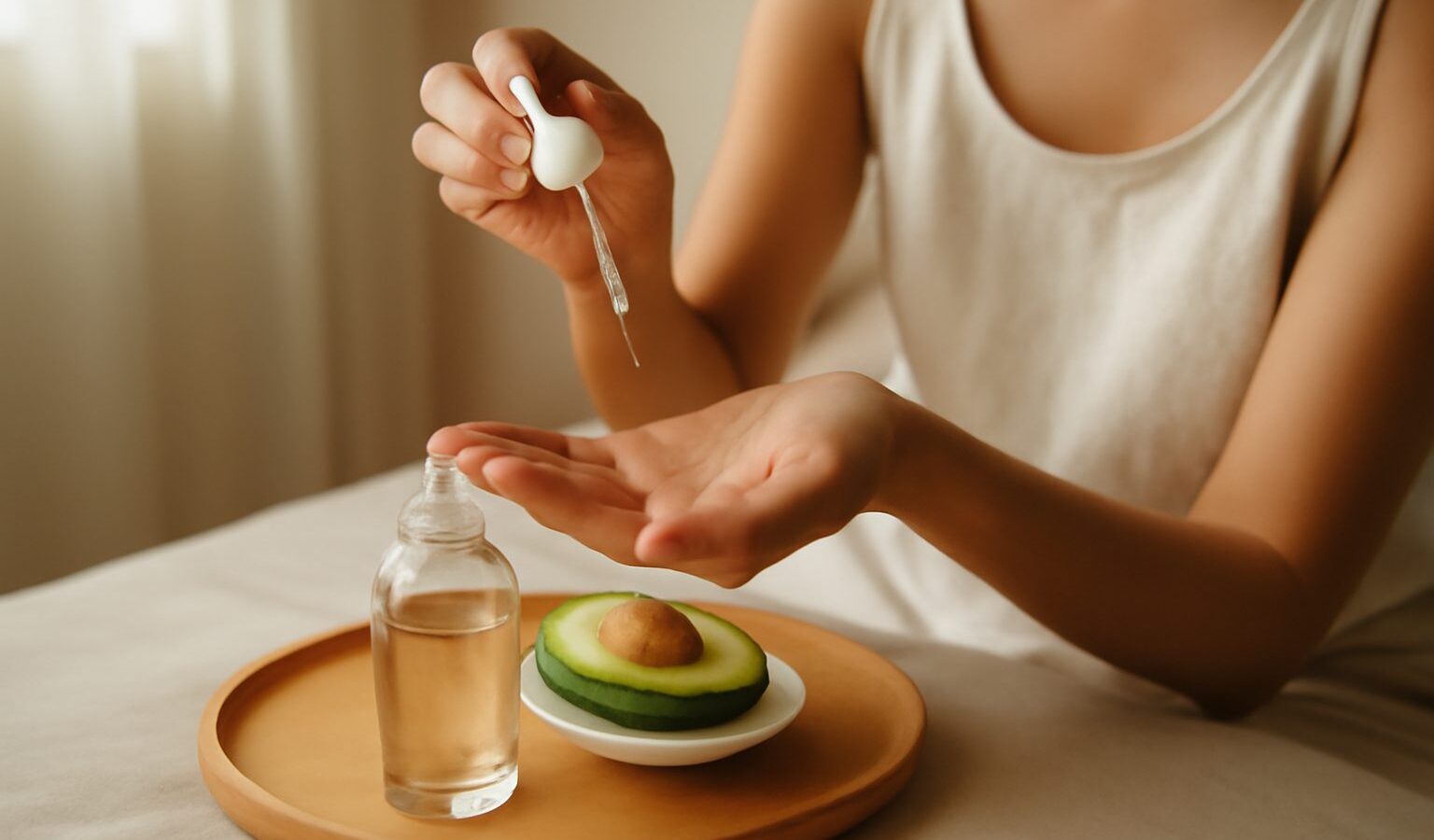
Oils have a reputation for feeling heavy, which is why so many people are surprised the first time they try squalane singapore beauty lovers keep recommending it precisely because it feels light. It is one of the most versatile, well tolerated moisturising ingredients around, and it suits our humid weather far better than you might expect from something oil based.
This is general information, not medical or dermatological advice. For persistent or worsening skin concerns, please see a doctor or dermatologist.
What Squalane Is
To understand squalane, it helps to start with squalene spelled with an e. Squalene is a lipid your own skin naturally produces as part of its protective surface. It is lovely for skin but unstable on its own, so in skincare it is converted into a stable, shelf friendly form called squalane, spelled with an a. That small change makes it last well in a bottle while keeping its skin loving qualities.
Modern squalane is usually derived from plant sources such as olives or sugarcane, which makes it a popular choice for those who prefer plant based ingredients. It is an emollient, meaning it softens skin and helps smooth the surface, and it also helps seal in moisture so water does not escape as easily.
The reason people love it is the texture. Squalane tends to feel silky and lightweight, sinking in rather than sitting greasily on top. It is generally very well tolerated, non fragranced versions are gentle, and it rarely causes the heaviness associated with richer oils. That combination makes it genuinely useful in a hot climate.
What Squalane Does For Skin
Squalane has a few dependable roles. It softens and smooths, so skin feels supple. It acts as a light occlusive, helping to lock in the hydration from your watery steps. And because it mimics a lipid the skin already makes, it tends to feel natural and comfortable rather than foreign.
It is worth being clear about what it does not do. Squalane is not an active treatment. It will not exfoliate, it will not fade marks, and it is not a sunscreen. Its job is comfort and moisture retention, which is exactly why it works so well as a finishing or sealing step rather than a headline treatment.
One reason squalane has become so widely used is its flexibility. Some people apply it as a standalone final step, some mix a drop or two into their moisturiser to enrich it, and some warm it between their palms and press it over everything to seal the routine. All of these are valid. Because it is fragrance free in its purest forms and closely resembles a lipid the skin already makes, it tends to suit people who react to more complicated products, which makes it a sensible ingredient to fall back on when your skin is feeling fussy.
Squalane Compared To Other Moisturising Options
Here is a general comparison to help you see where squalane fits among common moisturising ingredients. Treat it as a guide rather than a strict rule.
| Ingredient | Type | Feel and role |
|---|---|---|
| Squalane | Lightweight emollient oil | Silky, seals in moisture |
| Hyaluronic acid | Humectant | Watery, draws in water |
| Glycerin | Humectant | Reliable hydration |
| Ceramides | Barrier lipids | Creamy, repairs the barrier |
| Heavier facial oils | Rich emollients | Nourishing but can feel heavy |
These ingredients complement each other rather than compete. A very comfortable pattern is to apply a humectant like hyaluronic acid to damp skin to pull in water, then use squalane to help seal it in. If your barrier needs extra support, ceramides slot in beautifully alongside. Squalane is the smooth, light finishing touch that ties a routine together.
How To Use Squalane In Singapore
Our year round humidity is exactly why squalane deserves attention. Where a rich cream or heavy oil can feel stifling in the heat, squalane usually stays light and breathable.
Start with a patch test. Dab a little on your inner forearm for a few days before applying it to your face, and add only one new product at a time so you can judge how your skin responds.
Use it as a sealing step. Squalane typically goes towards the end of your routine, after your watery and treatment layers. A few drops pressed onto slightly damp skin, or mixed into your moisturiser, is usually plenty. A little goes a long way, and using too much is the main reason any oil starts to feel greasy.
Adjust the amount to the weather and your skin. By day in the heat, a drop or two is often enough, while at night or in a heavily air conditioned environment you might use a touch more. Let comfort guide you rather than a fixed rule.
Pair it with your actives thoughtfully. Squalane is gentle and generally coexists well with treatment ingredients, and it can help offset the dryness that stronger actives sometimes cause. If retinol or an exfoliant leaves your skin feeling tight, a light squalane layer afterwards can be soothing.
And do not skip sunscreen. Squalane offers comfort and moisture, not sun protection, so daily broad spectrum sunscreen, reapplied when you are outdoors, remains essential under our strong sun.
Who Squalane Suits
Squalane is one of the easier ingredients to recommend broadly. Dry and dehydrated skin appreciates the sealed in moisture. Sensitive skin often tolerates fragrance free versions well. Even oil prone skin can usually enjoy its light finish, since it feels far less heavy than richer oils, though everyone is different and a patch test still applies.
The main reason to look elsewhere is simply preference. If you dislike any oil texture at all, a gel cream may suit you better. But for most people in a humid climate, squalane offers moisture without the weight.
A Simple Way To Use It
Keep it easy. Cleanse gently, hydrate with a watery layer on damp skin, seal with a few drops of squalane, and protect with sunscreen in the day. Patch test before you begin and introduce one new product at a time.
If your skin feels softer, smoother and more comfortable over a few weeks, squalane is doing its quiet job well. If irritation appears or a concern persists, stop and speak to a doctor or dermatologist.
Explore more
Caring for Dry and Dehydrated Skin in Singapore
Hyaluronic Acid Explained
Skincare for a Humid Climate
How to Layer Your Skincare in the Right Order