
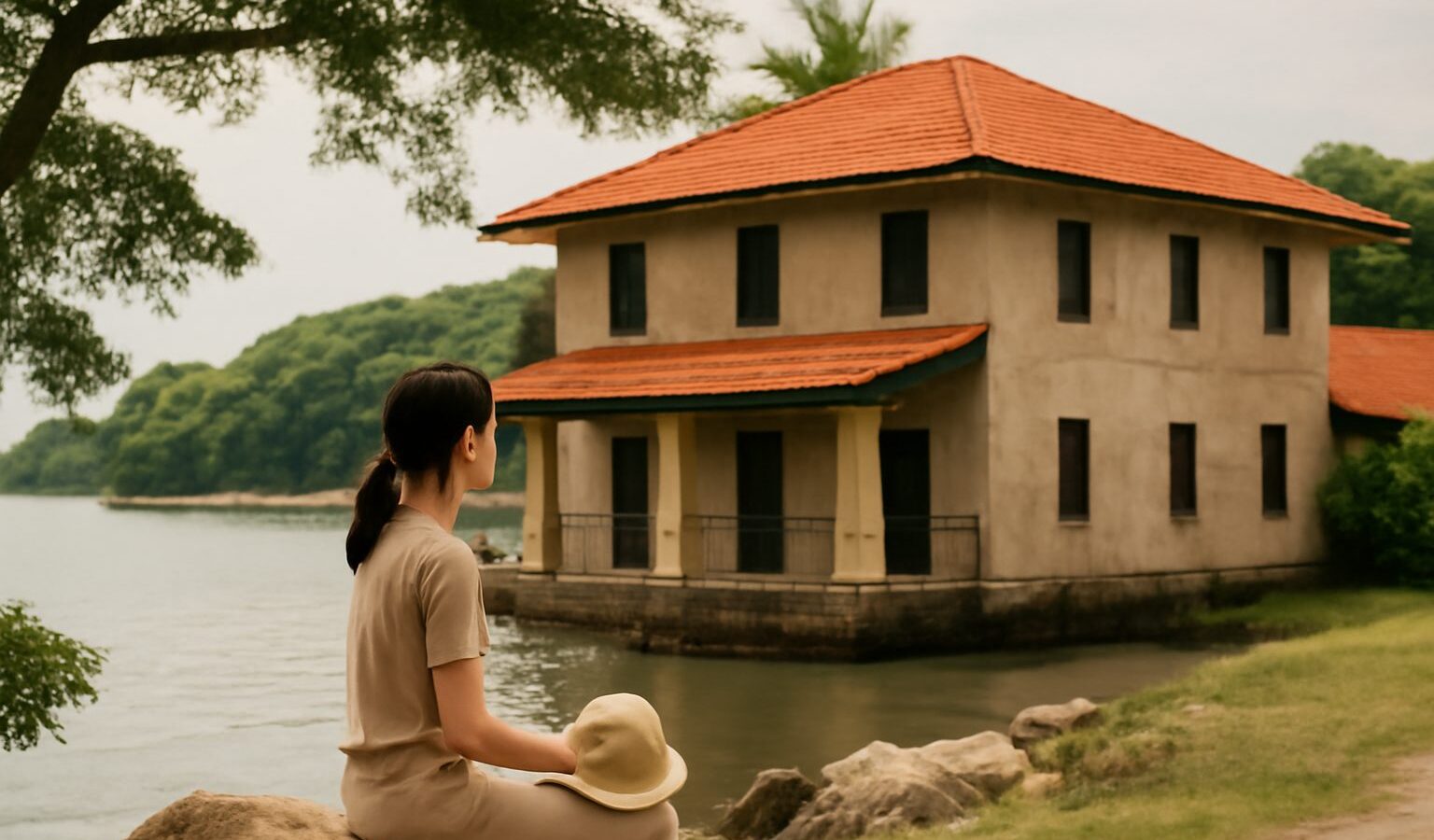
Lying just off the southern coast, St John’s Island Singapore has one of the more unusual back stories among our islands. Today it is a quiet retreat of lagoons, beaches and grassy slopes, popular with families, campers and picnic groups. For more than a century, however, it was a place people were sent to rather than a place they chose to visit. Its history as a quarantine station, and later as a settlement for various groups, is woven into the wider story of Singapore as a busy port of call.
The island is known in Malay as Pulau Sakijang Bendera. Like several of the Southern Islands, its landscape has been shaped as much by human use as by nature. To understand how a place of isolation became a place of leisure, it helps to look back at the role it played when Singapore was one of the busiest harbours in the region.

From quarantine station to penal settlement
When ships arrived in Singapore from distant ports, there was always the risk that they carried infectious disease. In an age before modern medicine, quarantine was one of the main tools available to protect the wider population. St John’s Island became a quarantine station, a place where arriving passengers, crew and sometimes cargo could be held and observed before being allowed to enter the main island. Immigrants making the long sea passage, including many labourers coming to work in the region, could find themselves waiting out a period of observation here.
Over the years the island took on more than one role. Beyond its use for disease control, it served at times as a place of detention and as a settlement for people the authorities wished to keep apart from the general population. Accounts of Singapore’s past describe it being used to house different groups over the decades, reflecting how isolated islands were often pressed into service for purposes that the crowded town could not easily accommodate. The exact sequence and dates of these uses are best confirmed through heritage sources such as the National Heritage Board, as the island’s functions shifted with the needs of the time.
What ties these chapters together is the idea of separation. Whether the concern was contagion, order or control, St John’s Island offered distance from the mainland while remaining close enough for supervision. The buildings, jetties and cleared ground that supported these functions left their mark on the island, some of which can still be traced by visitors who look closely.
The island today
The quarantine era eventually passed as medicine advanced and travel patterns changed. Rather than being abandoned, St John’s Island was given a new lease of life. It has been developed as a recreational destination and a base for marine and educational activities. Visitors reach it by ferry from the mainland, and the crossing itself is part of the appeal, offering views of the harbour and the vessels that still make Singapore a great maritime hub.
On the island, swimming lagoons, walking paths and open lawns invite a slower pace. It is linked by causeways to neighbouring islets, so a single trip can take in more than one patch of greenery. The atmosphere is calm and unhurried, a contrast that makes the island’s earlier history all the more striking. Where people once waited anxiously for a clean bill of health, families now spread out mats and children paddle in the shallows.
For those keen to understand the setting, it is worth reading about the wider group of islands to the south. Our guide to the Southern Islands of Singapore sets the scene, while a closer look at the heritage of the Southern Islands explores how these small pieces of land tell a big part of the national story. The island’s harbour connections also link it to Singapore’s broader maritime heritage, a reminder that the sea has always shaped life here.
St John’s Island is a reminder that heritage is not only found in grand buildings. Sometimes it lies in a quiet shore that once held travellers in limbo, now offering rest to anyone willing to make the short journey across the water. Visitors who take the time to learn its past will find that the tranquillity carries an extra depth, a sense of how far the island, and Singapore, have come.
Further reading: St John’s Island Guide for a Quiet Weekend Escape