
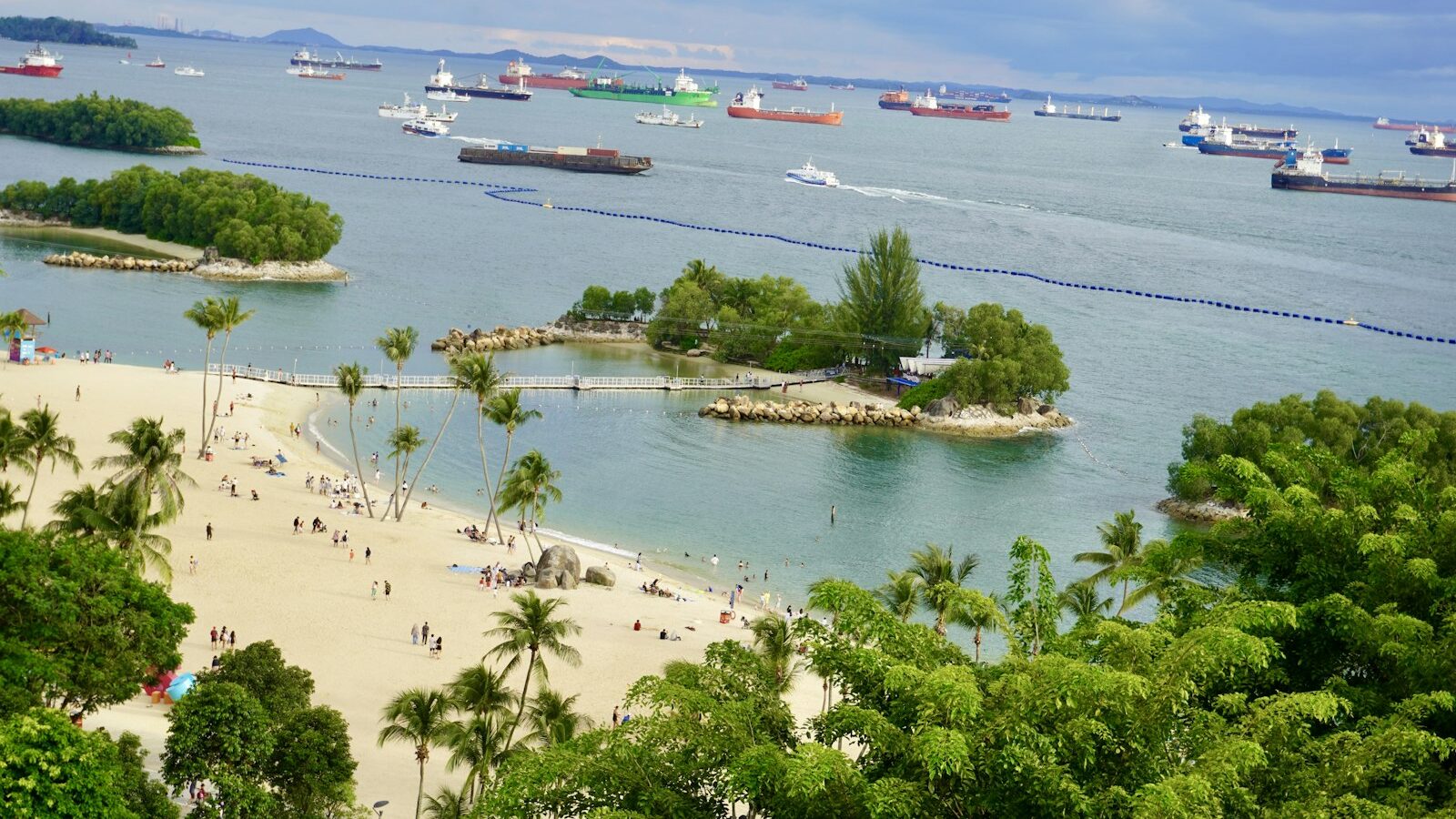
The Kusu island pilgrimage is one of the most enduring living traditions in Singapore, a yearly journey that carries thousands of devotees across the water to a small island south of the main island. For most of the year Kusu is a quiet spot of lagoons and greenery, but during the pilgrimage season it becomes a place of prayer, gratitude and hope. Understanding the rhythm of this tradition, and the respect it deserves, makes any visit richer whether you go as a devotee or as a mindful observer.
History and Significance
Kusu Island, whose name is often linked to the Chinese word for tortoise, carries a well loved legend about a tortoise that is said to have saved shipwrecked sailors by turning itself into an island. Like many such stories, it exists in several versions, and the legend matters less for literal accuracy than for what it expresses, a sense of rescue, blessing and safe passage that still draws people today. For the temple’s own account and for confirmed historical details, the temple and the islands’ managing authorities are the proper sources.
At the heart of the pilgrimage are two focal points of devotion. There is a Tua Pek Kong temple, dedicated to the same much loved folk and Taoist figure honoured at many mainland temples, and there are keramats, revered Malay shrines set on the island’s higher ground. This pairing of a Chinese temple and Malay keramats on one small island is central to Kusu’s character, and it draws devotees from more than one community to the same shore. Many come to give thanks, to pray for good health, harmony in the family, or the blessing of children.
The Pilgrimage Season
The pilgrimage traditionally falls in the ninth month of the Chinese lunar calendar, which shifts each year against the Western calendar, so the exact dates change annually. Because timing moves, always check the current season dates and ferry arrangements before planning a trip, rather than assuming last year’s schedule. During the season, ferries run more frequently and crowds swell, particularly on weekends and auspicious days.
Outside the pilgrimage months, Kusu is chiefly known as a day-trip island with lagoons and shelters, and it is far quieter. Deciding when to go depends on what you are looking for. The table below sets out the broad contrast to help you plan.
| Aspect | Pilgrimage season | Off season |
|---|---|---|
| Atmosphere | Busy, devotional, communal | Quiet, relaxed, scenic |
| Crowds | Large, especially weekends | Light |
| Ferry frequency | Increased for the season | Standard island service |
| Main draw | Temple and keramat worship | Lagoons and a calm day out |
| Best for | Devotees and cultural observers | Picnickers and quiet visitors |
Confirm ferry operators, departure points, first and last sailings, and any seasonal changes before you commit, as these are set by the operators and can be revised.
What to See
The Tua Pek Kong temple near the shore is the most visited site, alive with incense, offerings and the murmur of prayer during the season. From there, a set of steps leads up to the hilltop keramats, and the climb is part of the experience for many pilgrims. Treat the keramats as the sacred Malay shrines they are, following the customs and any guidance given on site.
Between the places of worship, the island itself is worth appreciating. Its lagoons and greenery give a sense of how the Southern Islands looked before intensive development elsewhere, and they remind visitors that these islands hold both natural and spiritual heritage.
During the season you will also see the wider culture of the pilgrimage at work. Devotees arrive carrying offerings, prayer papers and gifts, and the temple hums with the rituals of thanksgiving and petition. Many light incense, make offerings and pause to give thanks for a good year or to ask for blessings in the year ahead. Some visitors have kept the practice going in their families for decades, treating the crossing as an appointment that must be honoured. For an observer, watching these unforced rhythms is the surest way to understand why the pilgrimage has lasted, and why it still fills the ferries each season.
Heritage Value
The Kusu island pilgrimage is significant because it is a genuinely living tradition, sustained not by decree but by generations of families returning year after year. It links present-day Singapore to older patterns of faith brought by migrants and shaped by the sea. The shared devotion of Chinese and Malay communities at one small island is a vivid, unforced example of the plural spiritual life that has long been part of Singapore’s identity.
The pilgrimage also keeps the Southern Islands meaningful in the national imagination. In a city that looks constantly to its skyline, the annual crossing to Kusu is a reminder that heritage sometimes lies offshore, on quiet ground reached only by boat.
Visiting Notes and Etiquette
A respectful pilgrimage or visit is easy to manage with a little care:
- Dress modestly and comfortably, with covered shoulders and footwear suited to steps and warm weather.
- Bring water, sun protection and any essentials, as facilities on a small island are limited.
- Follow the customs at both the temple and the keramats, and observe rather than interrupt those at prayer.
- Ask before photographing worshippers, and respect any restrictions at the shrines.
- Carry your litter back with you and keep the island clean, as it is both sacred and ecologically sensitive.
- Plan your return ferry timing carefully so you are not stranded past the last sailing.
If it is your first time at a Tua Pek Kong temple, a little reading on temple etiquette beforehand will help you feel at ease among regular devotees.
A Closing Thought
The Kusu island pilgrimage endures because people choose, year after year, to make the crossing and give thanks. That choice, repeated across generations and communities, is itself the heritage. Whether you go to pray or simply to witness, arrive with patience and respect, and let the island’s quiet devotion set the pace of your visit.
Explore more: Southern Islands of Singapore Heritage · Chinese Temples and Taoism in Singapore · Temple Worship Etiquette for Newcomers