
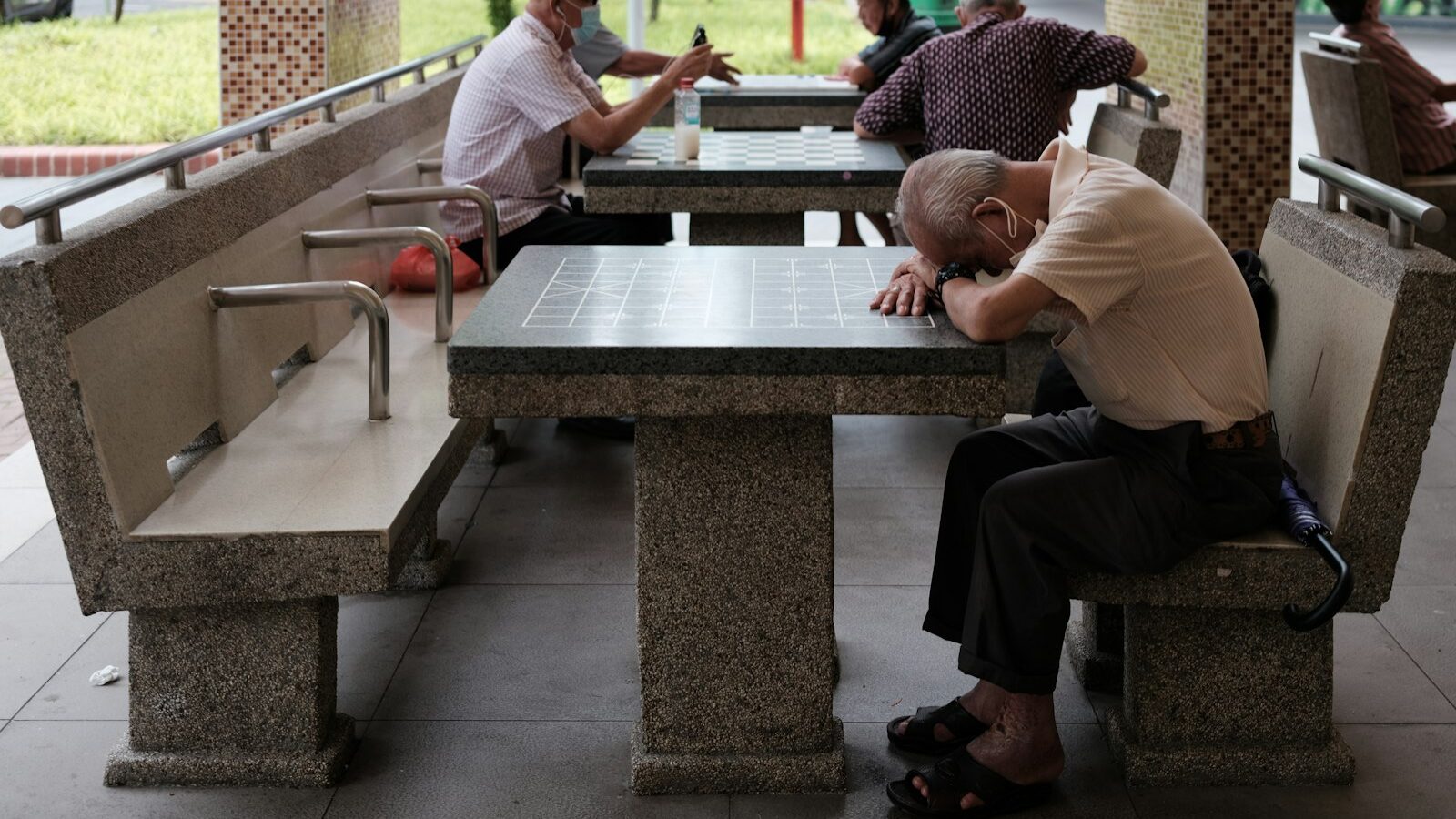
Drinking enough water sounds like the simplest thing in the world, yet it becomes surprisingly easy to overlook as we grow older. Staying hydrated seniors singapore is a topic worth taking seriously, because in our hot, humid climate, and with the natural changes that come with age, older people can slip into dehydration without realising it. This article is general information only. It is not medical advice, and it is not a way to diagnose yourself. If you are worried about hydration or a health condition, please speak to a doctor or a polyclinic.
As we age, our sense of thirst tends to fade, so an older person may not feel thirsty even when their body genuinely needs fluids. On top of that, some medical conditions and medicines affect fluid balance, and mobility issues can make frequent trips to the kitchen or toilet feel like a chore. Add Singapore’s heat and humidity, and it is easy to see why hydration deserves gentle, deliberate attention in later life.
Why Hydration Matters More With Age
Water is involved in almost everything the body does, from regulating temperature to helping the kidneys work, keeping the mind clear, and moving the bowels comfortably. When older people do not drink enough, the effects can show up quickly and sometimes seriously. Dehydration can cause tiredness, dizziness, confusion, constipation, and can raise the risk of falls and urinary problems.
Importantly, dehydration in an older person can sometimes cause or worsen sudden confusion, which is always a reason to seek medical help rather than wait and see. Our guide to understanding delirium and sudden confusion explains why any sudden change in alertness or behaviour in an older person should be treated as urgent, because it can signal dehydration, infection or another problem that needs prompt care.
Because dizziness and poor balance can also be linked to not drinking enough, keeping well hydrated is one small, sensible way to support steadiness on your feet. You can read more in our article on dizziness and poor balance in older age.
Easy Ways to Drink Enough
The kindest approach to hydration is to make it easy and habitual rather than a constant worry. Sipping small amounts regularly through the day usually works better than trying to gulp a large glass all at once. Keeping a filled water bottle or cup within easy reach, whether by the armchair, the bed or the kitchen table, serves as a gentle visual reminder.
Building drinks into daily routines helps too. A cup with each meal, a warm drink mid-morning and mid-afternoon, and something to sip while watching television all add up over the day. Water is ideal, but other fluids count as well, and foods with high water content such as soups, porridge, fruit and vegetables all contribute. Many older Singaporeans enjoy a bowl of soup with dinner, which is a lovely and familiar way to top up fluids.
We are deliberately not giving a fixed number of glasses to aim for, because the right amount varies from person to person and can depend on health conditions. Some conditions require careful fluid management under a doctor’s guidance, so if you have heart, kidney or other health issues, please follow the advice your doctor gives you rather than a general rule.
Watching Out in the Heat
Singapore’s weather calls for extra care, especially during outdoor activities or a warm, stuffy flat. On hot days, drink a little more, rest in the shade or a cool spot, and avoid the midday sun where possible. Older people are more vulnerable to the heat, so a fan, good ventilation, and light clothing all help. If someone becomes unwell in the heat, with symptoms such as confusion, a very high temperature, or fainting, treat it as an emergency and call 995 or go to A and E.
For those who enjoy staying active, remember to drink before, during and after exercise. Our guide to staying fit and active as a senior has friendly ideas for keeping moving safely, and hydration is part of doing that well in our climate.
Recognising the Warning Signs
It helps for older people and their families to know the signs of dehydration so they can act early. These can include a dry mouth, dark or strong-smelling urine, passing little urine, tiredness, dizziness, headache, and confusion. In an older person, new or sudden confusion, drowsiness or a marked change from their usual self is especially important and should prompt urgent medical attention rather than waiting.
If you care for an ageing parent, keeping a quiet eye on their drinking is a genuinely useful part of looking after them, particularly if they live alone or find it hard to get around. Offering a drink whenever you visit, and encouraging little and often, makes a real difference without any fuss.
A Simple Habit Worth Keeping
Staying well hydrated is one of the easiest and most rewarding health habits in later life. It costs nothing, supports the whole body, and helps guard against tiredness, falls, confusion and other troubles. Make it easy, make it routine, and keep an eye on the warning signs. When health conditions complicate the picture, let your doctor guide the details. A cup of water within reach, and a gentle habit of sipping through the day, is a small kindness to yourself that pays back many times over.