
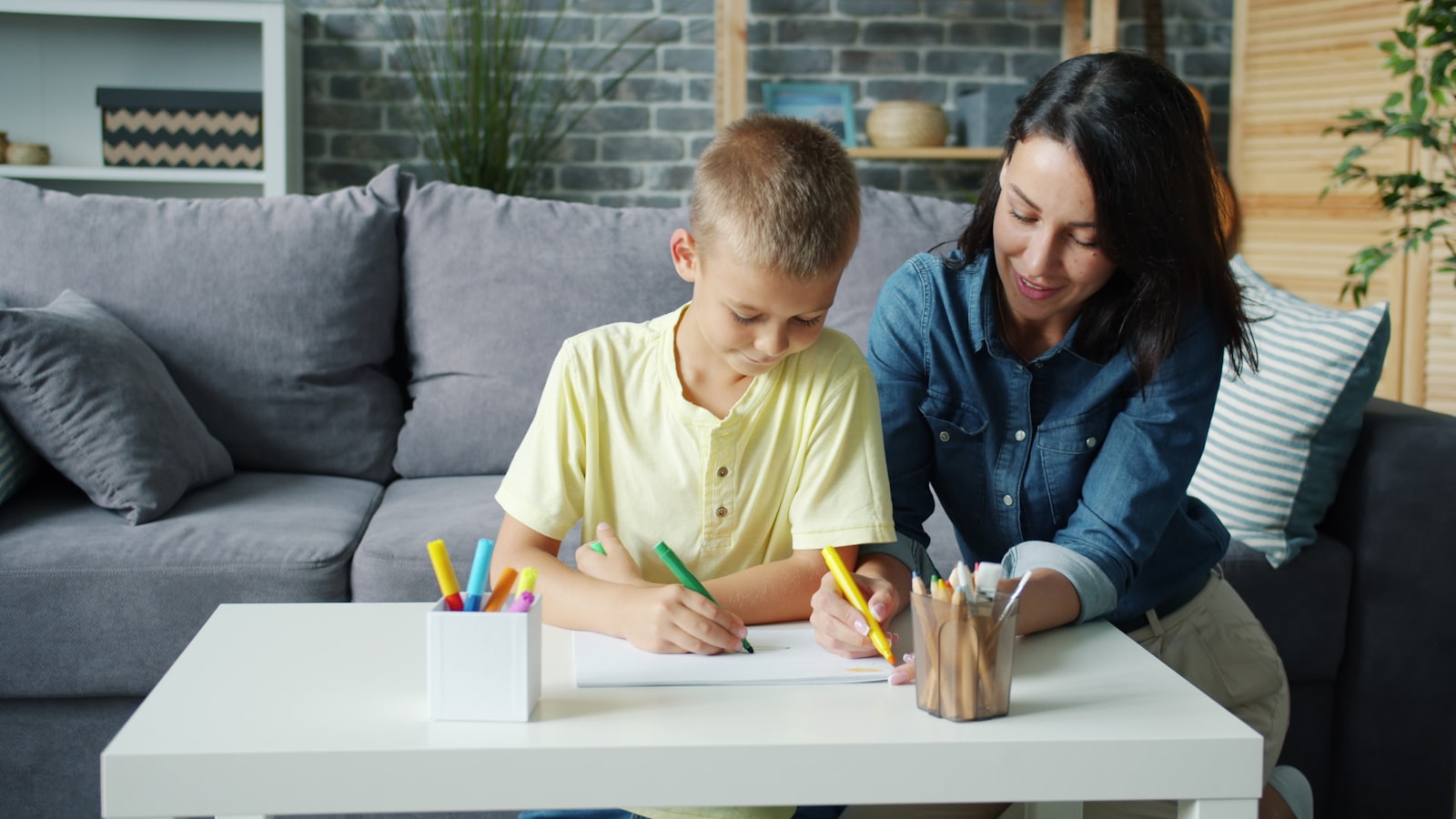
Watching your child adjust china school habits to a Singapore classroom is one of the biggest parts of settling in as a mainland Chinese family. The two systems share a Chinese-speaking culture and a serious respect for education, but the day-to-day experience is genuinely different. Lessons run mostly in English, the pace and homework load feel unfamiliar, and the exam pressure your child knew back home is structured in another way. This guide walks through the real differences, the emotional side of the move, and the concrete things you can do at home. For anything official, always check the Ministry of Education (MOE) website directly, because policies and cut-off points are updated regularly.
The Biggest Shock: English as the Main Language
In China, almost every subject is taught in Mandarin, with English as one subject among many. In Singapore, the opposite is true. English is the medium of instruction for maths, science and most subjects, while Chinese is studied as “Mother Tongue”. A child who was strong in maths back home can suddenly struggle, not because the maths is harder, but because the question is written in English they cannot yet read.
Expect a settling-in period of several months to a year. Younger children usually pick up spoken English faster than parents fear. Older children moving into upper primary or secondary face a steeper climb, because the reading and writing demands are higher. This is normal, and schools see newcomers every year.
How the Two Systems Actually Differ
Beyond language, the structure of the school day and the path through the system differ in ways that surprise many parents.
- Pace and independence. Singapore classrooms expect children to manage their own timetable, sign their own homework diary and speak up in class. There is less rote copying and more group work, projects and presentations.
- Streaming and banding. Instead of one rigid track, Singapore primary schools now use Subject-Based Banding, where a child can take each subject at a level that fits, for example a standard level in one subject and a foundation level in another. Secondary schools have moved to Full Subject-Based Banding, phasing out the old Express and Normal streams.
- National exams. The Primary School Leaving Examination (PSLE) at the end of Primary 6 uses Achievement Levels rather than a single aggregate T-score. This matters less for a newcomer’s first year and more for planning ahead.
- Teaching style. Teachers are approachable and often reachable through an official parent app or email. Questions and even respectful disagreement are welcomed, which can feel unfamiliar to a child taught to stay quiet.
- Co-Curricular Activities (CCAs). Sports, uniformed groups, music and clubs are a formal, valued part of school life, not an optional extra, especially in secondary school.
Getting a Place and the English Support Available
Most non-citizen children join a mainland MOE school through the Admissions Exercise for International Students (AEIS), a centralised English and maths test run by MOE. Timing and eligibility are set by MOE, so check their official pages before making plans. Permanent Resident and citizen children follow the regular registration route.
Once your child is in, support exists:
- School-based help. Many schools run remedial or “learning support” for pupils who need extra English, and teachers can flag your child for it.
- Mother Tongue as a bridge. Your child’s strong Chinese is an asset here. In Chinese class they can shine and rebuild confidence while catching up elsewhere.
- Private tuition and English enrichment. Common and widely used, though not required. A few months of focused English coaching often smooths the transition faster than anything else.
A Side-by-Side Comparison
| Area | China school system | Singapore school system |
|---|---|---|
| Main teaching language | Mandarin for nearly all subjects | English for most; Chinese as Mother Tongue |
| Progression | Streaming by overall marks | Subject-Based Banding, subject by subject |
| Major exam | Zhongkao, Gaokao milestones | PSLE, then national exams by subject level |
| Teaching style | Teacher-led, exam-focused, more rote | Group work, projects, speaking up encouraged |
| Extracurriculars | Often outside school hours | CCAs built into school, formally valued |
| Homework framing | Heavy, drill-based | Varied, includes projects and reading |
The Emotional Side of the Move
The academic gap is only half the story. A child who was confident and popular in China may come home quiet and frustrated because they cannot yet joke with classmates or follow a lesson fully. Take this seriously.
- Name the feeling. Tell your child plainly that struggling with a new language is normal and temporary, not a sign they have become a weaker student.
- Protect their confidence. Praise effort and small wins, such as making one friend or understanding one lesson, rather than only marks.
- Watch for withdrawal. If your child stops eating well, sleeps badly or refuses school for more than a short settling period, speak to the form teacher or the school counsellor. Schools take pastoral care seriously.
- Keep home a soft place. Let them speak Mandarin freely at home and stay connected to grandparents and friends in China. A secure home base makes the school challenge easier to face.
What Parents Can Do, Concretely
- Meet the form teacher early. Introduce yourselves, explain your child’s background and ask directly what support is available and how to reach the teacher.
- Learn the school apps. Singapore schools communicate through official portals and a parent gateway for announcements, forms and payments. Set them up on day one.
- Build English at home gently. Shared reading, English cartoons with subtitles and simple daily conversation help more than pressure. Twenty minutes a day beats a stressful hour.
- Keep the maths and science momentum. Your child likely knows the content already. Help them match the English words to concepts they have mastered, so the knowledge transfers.
- Connect with other parents. Fellow newcomer families and heartland parent groups share honest advice on schools, tuition and settling in.
- Be patient with the timeline. Give it a full school year before judging progress. Most children who arrive lost are, twelve months later, translating for newer arrivals.
Your child is not starting from zero. They bring strong numeracy, discipline and a whole language most classmates are still learning. The task is to carry those strengths across into English and into a more independent, discussion-based classroom. With steady support at home and open contact with the school, the adjustment that feels overwhelming in month one usually settles into confidence by the end of the year.
Explore more: Schools in Singapore: A Guide · Enrolling Your Child in School in Singapore · Raising Bilingual Children in Singapore