
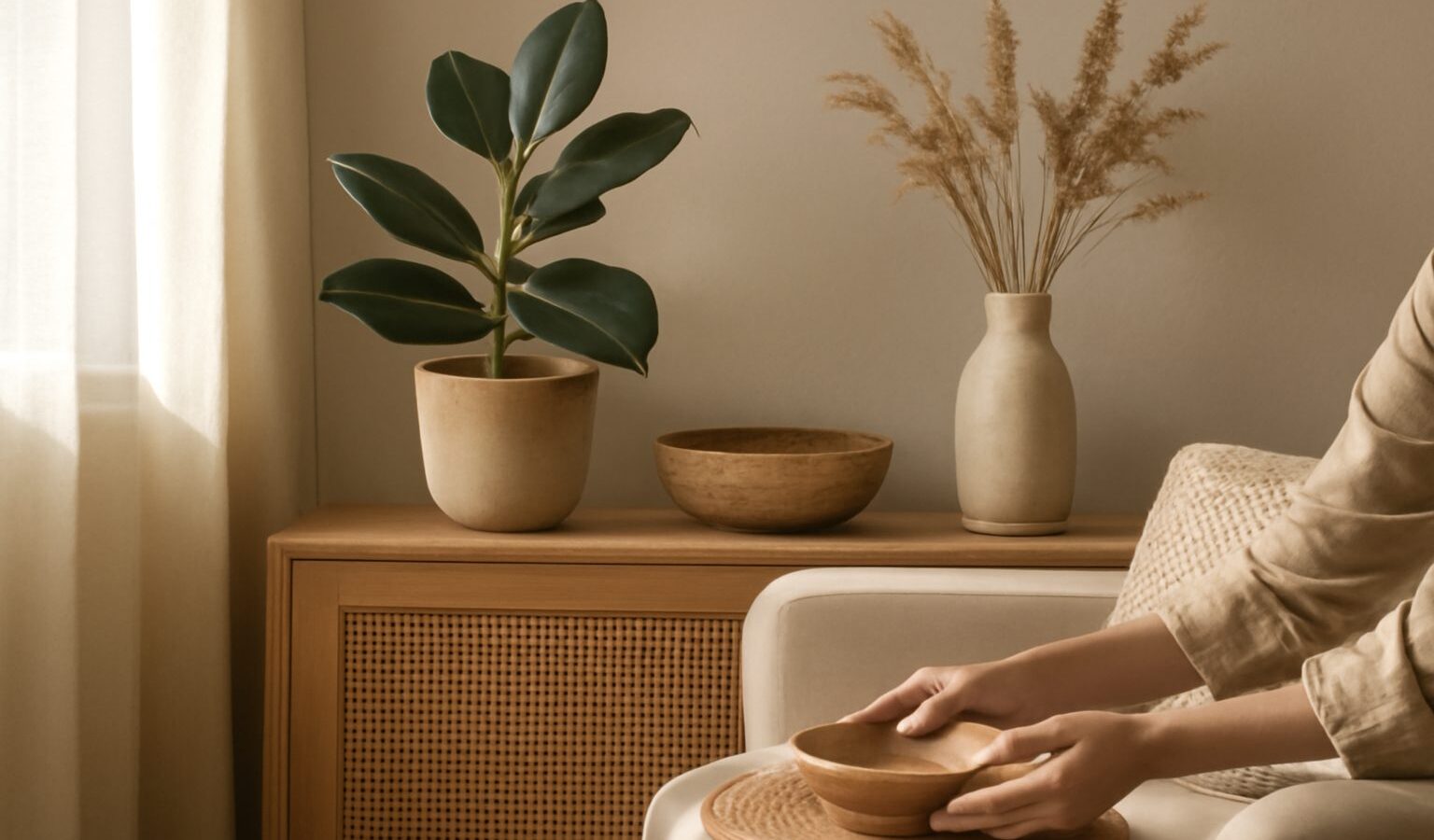
A home should feel like yours, warm, personal, and comfortable, but the way we decorate can quietly pile up waste. Trend-driven pieces get bought, tire quickly, and end up at the void deck within a year or two. Sustainable home decor in Singapore is about breaking that cycle, styling a space you love in a way that is kinder to the planet and, more often than not, kinder to your wallet as well. It works just as beautifully in a compact HDB flat as it does in a larger condo, because good sustainable choices scale down gracefully.
Buy Less, Choose Well
The greenest piece of decor is usually the one you did not buy. Fast interiors, like fast fashion, tempt us to refresh a room every season, but each new cushion or shelf carries a hidden cost in materials, shipping, and eventual disposal. A more sustainable approach starts with a pause. Do you actually need this, or are you chasing a look you saw online last week?
When you do buy, aim for pieces that last, both in build and in style. A well-made shelf in a timeless finish will outlive three trendy ones. Choosing quality over quantity means fewer trips to the shops and fewer things heading to the landfill. If you are furnishing a bigger space or renovating, choosing sustainable wood and furniture is worth a read before you commit to anything large.
Second-Hand and Preloved Treasures
Some of the most characterful homes are built from things with a past. Second-hand furniture and decor carry a story, often cost far less, and spare a brand new item from being manufactured. Singapore has a lively preloved scene, from online marketplaces to thrift shops and buy-nothing groups where neighbours pass on what they no longer need.
Shopping preloved takes a little more patience, but the rewards are real:
- Unique pieces you will not see in every other flat.
- Solid older furniture that is often built better than newer budget lines.
- Big savings that leave room in the budget for the pieces that truly matter.
- A smaller footprint, since nothing new had to be made.
For furniture specifically, where to buy second-hand furniture points you to good local starting points, and thrifting and second-hand shopping covers the smaller finds that add personality, from vases to art to lamps.
Natural and Low-Impact Materials
Materials matter as much as sources. Where you can, lean towards natural, durable, and low-impact options. Solid wood, rattan, bamboo, cotton, linen, and clay tend to age well and can often be repaired or repurposed rather than binned. They also suit the tropical climate, breathing better than a room stuffed with synthetic finishes.
Be a little sceptical of marketing, though. A product labelled eco or natural is not automatically green, and claims can outrun reality. Look at what something is genuinely made of and how long it will last rather than trusting the label alone. “Sustainable” is a popular word in homeware, and it is not always earned.
Plants deserve a special mention. A few well-chosen houseplants soften a room, lift the mood, and cost little, especially if a friend gives you a cutting. They are one of the simplest ways to make a space feel alive without buying anything new.
Upcycle, Restyle, Repair
Before you replace something, ask whether it can be revived. A tired chair can be reupholstered, a scratched table sanded and oiled, a plain shelf given new life with a coat of paint. Restyling what you already own is deeply satisfying and keeps usable things out of the waste stream.
Small projects go a long way:
- Repaint or refinish dated furniture instead of tossing it.
- Turn old fabric into cushion covers or wall hangings.
- Rearrange and rehang what you have for a fresh feel at zero cost.
- Fix loose joints and wobbly legs rather than throwing the whole thing out.
If you catch the bug, easy upcycling projects for the home is full of doable ideas that need only a weekend and a bit of curiosity.
Styling With Intention
Sustainable decorating is really a mindset. Instead of asking “what is trending”, you start asking “what do I love, what will last, and where did it come from”. That shift alone slows the churn of things through your home and leaves you with a space that feels considered rather than disposable.
You do not need a full makeover or a big budget to begin. Swap one impulse buy for a preloved find, revive one piece you were about to discard, add a plant, and let your home evolve slowly. A room built with intention tends to feel more like you, and it carries the quiet satisfaction of knowing it was made gently, at a pace that suits both your life and the planet.