
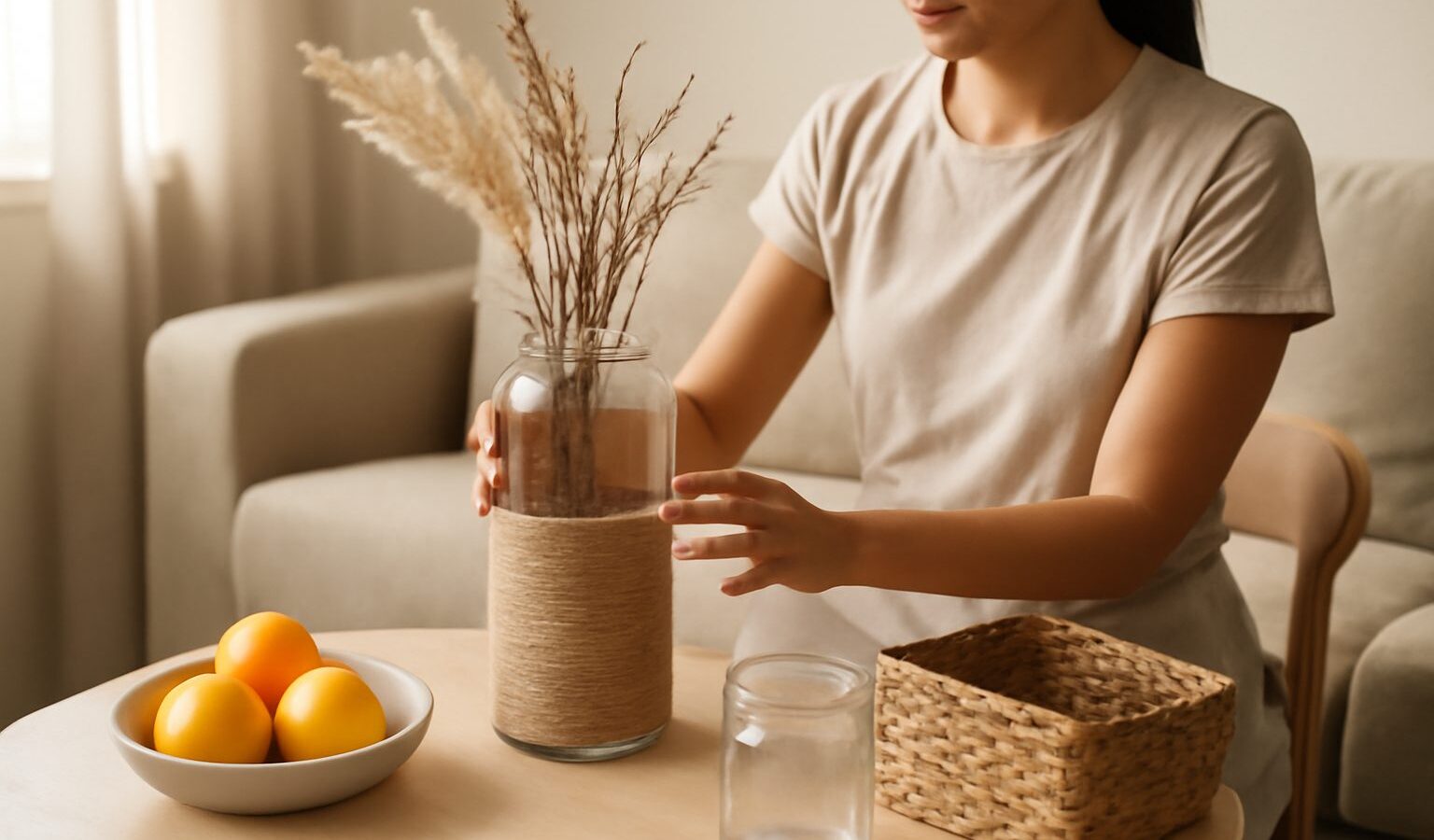
Upcycling is the happy art of turning something you were about to throw away into something you actually want to keep. Unlike recycling, which breaks materials down, upcycling gives an object a new job as it is, often with nothing more than a wash, a coat of paint or a bit of imagination. The best upcycling projects singapore flats can handle are small, low cost and forgiving, which makes them perfect for beginners, families and anyone short on space. This guide walks through easy ideas using things you already have at home, the tools worth keeping handy, and the safety basics that keep the fun from turning into a mishap.
Why Upcycling Suits Life in Singapore
Living in an HDB flat or a compact condo teaches you to make every item earn its keep, and upcycling fits that mindset beautifully. Instead of buying yet another organiser or planter, you repurpose a glass jar, a tin or a wooden crate you already own. That saves money, saves a trip to the shops, and keeps one more item out of the rubbish chute and away from Semakau. It is a quiet, practical form of green living that does not ask you to change your whole lifestyle, just to look twice at things before you bin them.
Our climate does shape what works. High humidity means damp cardboard and untreated wood can attract mould or pests, so upcycling projects that will live in the kitchen or bathroom are best made from glass, metal, plastic or sealed wood. Anything porous is happier in a dry, air conditioned room. Keep this in mind as you choose materials, and your creations will last far longer than a rushed weekend craft.
Beginner Projects You Can Try This Weekend
You do not need special skills or a workshop to start. Most of these projects take an afternoon and use things heading for the bin anyway. Pick one, gather your bits and give it a go.
- Glass jars become storage for spices, buttons, cotton buds or dry snacks. A jar with a hook under a shelf keeps small clutter off the counter.
- Tin cans, washed and with edges checked for sharpness, turn into pen holders, cutlery caddies or little herb pots on a sunny window ledge.
- Old T-shirts cut into strips make no-sew cleaning rags, plant ties or a simple plaited mat.
- Wooden crates or fruit boxes stack into open shelving, shoe racks or under-bed storage once cleaned and sanded.
- Glass bottles work as vases, oil dispensers or bud holders, and look smart with the label soaked off.
- Toilet roll tubes and shoeboxes make free drawer dividers for socks, cables and stationery.
Start with a project that solves a small annoyance in your home, a messy drawer or a cluttered desk, and you will feel the payoff straight away. Success with one easy win is what makes the next project feel worth doing.
Choosing Materials by Effort and Payoff
Some upcycling ideas are five minute jobs, while others reward a bit more effort with something you will use for years. The table below sorts common materials by how much work they take and what you get in return, so you can match a project to the time you have.
| Material | Effort level | Good for |
|---|---|---|
| Glass jars and bottles | Low, just clean and de-label | Storage, vases, organisers |
| Tin cans | Low to medium, smooth the edges | Pots, holders, caddies |
| Old fabric and clothing | Low to medium, cut or sew | Rags, bags, ties, cushion covers |
| Wooden crates and pallets | Medium to high, sand and seal | Shelves, racks, planters |
Matching the material to your patience level keeps upcycling enjoyable rather than a chore left half finished on the balcony. If you are new to it, stay in the low effort column until the habit sticks, then work up to the sanding and painting projects once you have a couple of wins behind you.
Safety Basics for Home Upcycling
Upcycling is gentle by nature, but a few sensible precautions keep it that way, especially with children around. Cut tin cans and broken glass can have sharp edges, so file or tape them and always supervise little helpers near anything sharp. Work on a covered, stable surface and keep fingers clear of blades when cutting cardboard, fabric or plastic.
Paints, varnishes, spray finishes and strong glues deserve respect too. Work in a well ventilated spot, ideally near an open window or on the service balcony rather than a sealed, air conditioned room, so fumes can escape. Wear gloves if the label advises it, follow the drying times, and never rush a finish indoors. Store paints, solvents, blades and glues well out of reach of children and pets, and label any decanted bottles clearly so nothing is mistaken for something safe. If a piece of furniture might have old paint on it, avoid sanding it into fine dust and instead clean and repaint over a stable surface. A little care up front means your project stays a pleasure from start to finish.
How to Start and Keep It Going
The easiest way to begin is to set aside a small stash of upcycling raw materials, a shoebox of clean jars, tins and offcuts of fabric, so you always have something to hand when inspiration strikes. Keep a simple kit nearby with scissors, a craft knife, some strong glue, a small brush and a bit of sandpaper, and you are ready for most beginner projects without a special shopping trip.
Do not aim for perfection or a home full of matching handmade decor. Aim for one useful thing at a time. When a project truly is not working, there is no shame in recycling the parts properly and moving on. Every jar you reuse, every crate you turn into a shelf, is one less item bought and one less thing binned, which is exactly the resourceful spirit behind the Singapore Green Plan. Upcycling is meant to be fun, thrifty and forgiving, so enjoy the small wins and let your confidence grow one project at a time.
Explore more
Upcycling is one thread in a bigger tapestry of reuse. If you like giving old things new life, see how to find a repair cafe or repair service for items that need mending first, and browse where to buy second-hand furniture for pieces worth repurposing. For a lighter footprint day to day, our guide to reusable swaps for everyday life pairs nicely with a home full of upcycled finds.
Related across Sky Media: Beginner Woodworking Projects for the Home