
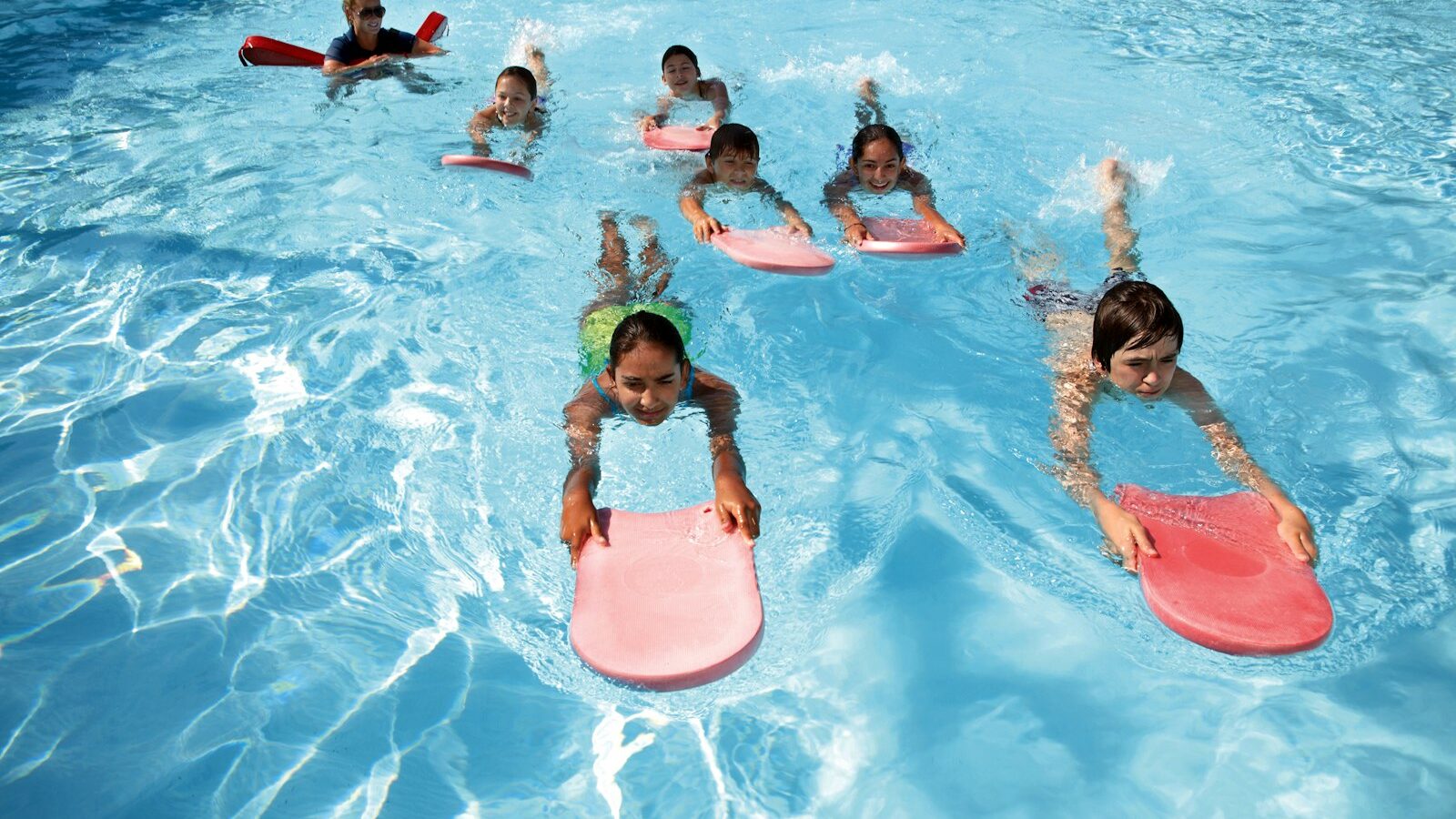
If your child has come home talking about passing “Stage 2” or “getting Bronze”, they are almost certainly talking about SwimSafer. SwimSafer Singapore is the national water safety and swimming programme for children, and it is used by primary schools and many private swim schools alike. For parents who did not grow up here, the stages, tests and badges can be confusing. This guide explains how the programme is structured, what each test generally involves, how schools and private classes use it, and how to help your child progress with confidence.
The programme is run under Sport Singapore (ActiveSG), and its details have been updated over the years. Check the official SwimSafer pages on the ActiveSG website for the latest stage requirements before booking classes or tests. If you are still choosing a school, see our guides to signing your child up for swimming lessons and teaching your child to swim safely.

What SwimSafer Is Designed to Do
SwimSafer is not just about swimming fast or perfecting a stroke. Its focus is water survival and safety. The idea is that a child who completes the programme should be able to:
- enter and exit the water safely,
- stay afloat and keep calm if they fall into deep water unexpectedly,
- swim a reasonable distance to reach safety,
- recognise risks around pools, beaches and open water, and
- help someone else in a simple, safe way without putting themselves in danger.
That is why tests include tasks such as floating, treading water and swimming in clothes, which may look unusual to parents expecting a standard stroke assessment.
How the Stages Are Structured
SwimSafer is organised into progressive stages. Children start at the introductory stages, which build water confidence and basic skills, then move through intermediate stages before reaching the higher Bronze, Silver and Gold awards. Each stage builds on the one before it, and children usually need to pass one stage before attempting the next.
The table below gives a general overview. Exact skills, distances and durations are set by the programme and may change, so treat this as a guide and confirm the current test standards with your child’s instructor or ActiveSG.
| Stage level | Main focus | Typical skills tested |
|---|---|---|
| Introductory stages | Water confidence and basic movement | Safe entry and exit, getting the face wet, floating with support, short glides and kicks |
| Intermediate stages | Independent swimming and survival basics | Unassisted floating, sculling, treading water, swimming a short distance, basic safety knowledge |
| Bronze | Stronger survival skills | Longer swims, treading water for longer, survival sequences, simple rescue using an aid |
| Silver | Endurance and safety in more demanding situations | Swimming in clothes, deep water entry, longer continuous swims, rescue and self-help skills |
| Gold | Highest level of the programme | Extended endurance swim, advanced survival and rescue tasks, applying safety knowledge |
What Happens During a Test
Parents often worry about test day more than children do. A typical SwimSafer assessment works like this:
- The instructor checks readiness. Most instructors will only put a child forward once they consistently perform the required skills in lessons.
- The child completes each task in turn. This may include entering the water in a set way, floating, treading water, swimming a set distance and demonstrating safety knowledge through simple questions.
- Clothing tasks may be included. At higher stages, children may be asked to swim or tread water in light clothing, to simulate falling in unexpectedly. Your instructor will tell you what to bring.
- Results are recorded. Children who pass receive a certificate, and badges are commonly available as well. Children who do not pass every component can usually retake the test after more practice.
Ask your instructor whether the test happens during a regular lesson or at a separate session, and whether there is an additional assessment or certificate fee.
How Schools Use SwimSafer
Many MOE primary schools run a SwimSafer programme as part of Physical Education, usually for a specific level of pupils. Lessons typically take place over a set number of sessions at a nearby public pool, conducted by accredited instructors engaged by the school.
What to know as a parent:
- The school programme is time-limited. Children usually work towards one or two stages during the school sessions. They will not normally reach Gold through school alone.
- Children start at different levels. A child who already swims confidently may be grouped with stronger swimmers, while a beginner starts at the introductory stage.
- Consent forms and swim attire lists are sent by the school. Look out for these and label everything clearly.
- Results may be shared through the school. Ask the PE department if you have not received your child’s certificate.
If your child is nervous about the school programme, a few private lessons beforehand can help them feel more settled in the water.
How Private Swim Classes Use the Programme
Private swim schools and independent coaches often structure their lessons around SwimSafer stages, which gives parents a clear sense of progress. When choosing a class, check:
- Instructor accreditation. Ask whether the coach is certified to teach and assess SwimSafer, and what lifesaving or first aid qualifications they hold.
- Class size and ratio. Smaller groups usually mean more feedback for each child, especially for beginners.
- Pool and lane arrangements. Lessons at public pools run alongside other users, so ask how the instructor manages space and safety.
- Assessment policy. Find out how often tests are held, how readiness is decided and what happens if a child does not pass.
- Make-up and cancellation terms. Weather, especially lightning alerts, can cancel outdoor lessons. Understand the policy before paying for a term.
There is no single “right” pace. Some children move through stages quickly, others take several terms per stage. Steady practice matters more than speed.
Helping Your Child Progress Safely
Your support outside lessons makes a real difference:
- Practise water confidence on family swims. Play games that involve floating, blowing bubbles and getting the face wet, while staying within arm’s reach of younger children.
- Talk about water safety. Reinforce simple rules: never swim without an adult, always enter feet first if unsure of depth, and call for help rather than jumping in after someone.
- Celebrate effort, not just results. A child who fails a test component has still learned something. Keep the tone encouraging.
- Watch for fatigue and cold. Lessons in the late afternoon can be tiring after school. Pack a snack, water and a towel or jacket.
- Check health first. If your child has asthma, ear problems or another medical condition, speak to your doctor about swimming, and inform the instructor.
Remember that a SwimSafer certificate is a milestone, not a guarantee of safety. Even strong swimmers need active supervision around water, especially at beaches, reservoirs and holiday pools.
Frequently Asked Questions
What age can children start SwimSafer lessons? Many children begin the introductory stages once they are comfortable following an instructor’s instructions in a group, which varies from child to child. Swim schools set their own minimum ages, so ask the school or check the ActiveSG SwimSafer pages for current guidance before enrolling.
How much do SwimSafer lessons usually cost? Prices depend on whether lessons are group, small-group or private, the number of sessions per term and pool entry charges. Some schools also charge separately for tests or certificates. Compare the total for a full term, not just the per-lesson figure, and ask what happens to fees for cancelled lessons.
How long does it take to reach SwimSafer Gold? Most children take several years of steady lessons to reach Gold, as each stage needs consistent skills before the test. Some move quickly through the early stages and slow down at Bronze and Silver, where endurance and survival tasks get harder. Regular practice matters more than lesson frequency.
What can I do if my child is afraid of the water? Start slowly with playful family swims in shallow water: blowing bubbles, splashing and floating with support while you stay within arm’s reach. A few one-to-one lessons with a patient instructor can help before joining a group. Never force a frightened child under water, as it can deepen the fear.
Are private or group lessons better for SwimSafer? Private lessons give more attention and suit nervous beginners or children who need help with a specific skill. Group classes cost less and some children feel motivated swimming alongside peers. Many families start private and move to a small group once their child is confident.
Official sources: Sport Singapore