
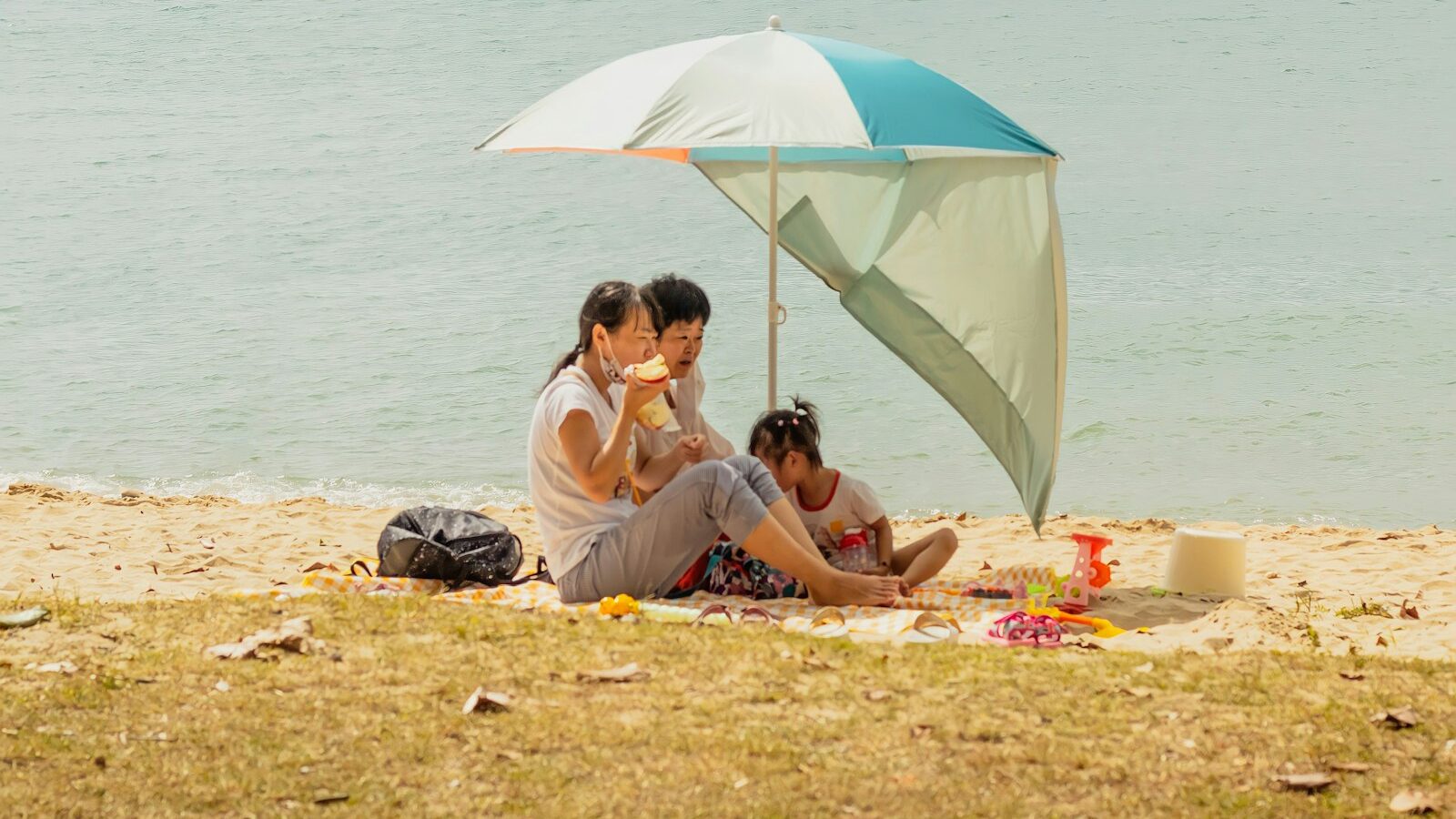
Nothing focuses the mind quite like the thought of a child near water. Whether it is the condo pool, the bathtub at bath time, or a mopping bucket left in the kitchen, water is part of daily life here, and so is the risk that comes with it. Getting water safety for kids Singapore families can rely on is not about fear, it is about a few firm habits that you keep every single time. This guide walks through why water is so dangerous for young children, how to supervise properly, and the simple changes that make your home and your outings much safer.
This is general safety information, not a substitute for hands-on training. If you can, take a certified water safety or paediatric first aid course through a recognised local provider.
Why Drowning Is So Quiet and So Fast
Most of us picture drowning the way films show it: splashing, shouting, arms waving for help. The reality is the opposite, and this is the single most important thing for a parent to understand. A child who is drowning is usually silent. There is no scream, no big splash, no time to react. It can happen in seconds, often while a trusted adult is only steps away.
Young children can drown in a shocking amount of very little water. A bathtub, a wading pool, a bucket of mopping water, a filled sink, a fish pond, even an open drain after heavy rain can all be enough. Toddlers are especially at risk because they are top-heavy, curious, and drawn to water, yet they cannot lift themselves out or keep their airway clear if they tip forward.
Because drowning is silent and quick, you cannot rely on hearing a problem. You have to see your child. That single shift, from listening to actively watching, is the heart of everything that follows.
Supervision Comes First, Every Single Time
There is no gadget, rule, or lesson that replaces an adult who is watching. When children are in or near water, one adult should be giving them full, undistracted attention.
- Stay within arm’s reach of babies, toddlers, and weak swimmers, in the bath, the pool, and the sea. Close enough to touch means close enough to save.
- Name a “water watcher.” At a pool party or gathering, decide who is actively watching, hand them the job out loud, and swap over in turns. “Someone is watching” usually means no one is.
- Put the phone away. A quick glance at a message is all the time it takes. If you must reply, take your child out of the water first.
- Never leave a child alone near water for a moment, not to answer the door, grab a towel, or check the rice. Take them with you or take them out.
- Do not rely on older siblings to supervise. A child is not a lifeguard, no matter how sensible they seem.
If you feel you are being over-cautious, you are not. Around water, the boring, repetitive habit of watching is exactly what keeps a child alive.
Making Water Safer Around Your Home
Homes hold more water hazards than most parents realise, and our HDB and condo living brings a few of its own. You cannot watch every second of every day, so the goal is to remove or block access to water when you are not actively supervising.
- Empty containers straight after use. Tip out mop buckets, basins, and paddling pools the moment you finish, and store them upside down so they cannot collect rainwater. Standing water is also a dengue mosquito breeding risk, so emptying it protects your child twice over.
- Close the bathroom. Keep toilet lids down and the bathroom door shut, ideally with a latch a toddler cannot reach. A curious toddler can topple head-first into a toilet or a filled pail.
- Run the bath with the child, not before. Gather everything you need first, so you never have to step away. Drain the tub fully as soon as bath time ends.
- Watch balconies, ponds and tanks. Decorative ponds, aquariums, and rain-filled pots on the balcony all count. Fence or cover garden water features.
- Mind wet floors and drains. After heavy rain, monsoon drains and canals fill fast and flow hard. Keep children well back from the edges.
Pools, Beaches and Swimming Lessons
Public and condo pools, the beach, and the many water play areas around Singapore are wonderful for families, and they are also where supervision must be tightest.
At the pool, get in with young children rather than watching from a lounger, and keep non-swimmers within arm’s reach. A lifeguard on duty is a backup, never your primary line of defence. Where a home or condo has private pool access, proper four-sided fencing with a self-closing, self-latching gate is the single most effective barrier, keeping the pool separated from the play area.
At the beach or reservoir, respect flags and signs, mind sudden drop-offs and currents, and remember that open water is colder, murkier, and less predictable than a pool. Keep little ones in the shallows and close to you.
Learn-to-swim lessons are genuinely valuable and can build confidence and skill from a young age. Just hold them in the right place in your mind: swimming ability reduces risk, but it does not make any child drown-proof. Even a confident young swimmer can panic, tire, or get into trouble, so supervision does not stop once lessons begin.
Floats Are Not Lifesaving Devices
This deserves its own warning, because it is a common and dangerous misunderstanding. Armbands, swim rings, inflatable seats, and pool floats are toys. They can slip off, deflate, tip over, or drift into deep water with a child on board, and they can give everyone a false sense of safety that leads to less watching, not more.
The table below sorts the tempting shortcut from the safer habit, so you can reset your thinking in a glance.
| Common belief | The safer reality | What to do instead |
|---|---|---|
| Armbands and floats keep my child safe | They are toys and can fail or slip off | Stay within arm’s reach, watching |
| A lifeguard is on duty, so I can relax | Lifeguards watch many people at once | Be your child’s primary watcher |
| My child had swim lessons, so they are fine | Lessons reduce risk but do not drown-proof | Keep supervising, every time |
| It is only shallow water | Children drown in very little water | Treat all water as a hazard |
| I only looked away for a second | Drowning is silent and takes seconds | Never leave them, even briefly |
If you use a proper, well-fitted life jacket for boating or open water, that is different from a pool toy, but it still does not replace an adult watching closely.
If Something Goes Wrong
Even careful families can face an emergency, and knowing your plan in advance matters far more than any written instruction in the moment. The best preparation is training, not reading.
- Learn CPR and paediatric first aid through a certified course before you need it. Hands-on practice is what lets you act under pressure, and skills fade, so refresh them.
- In an emergency, get the child out of the water and call 995 immediately, or send someone else to call while you attend to the child. Shout for help and for a lifeguard if one is nearby.
- Do not rely on remembering steps from an article. This guide cannot teach resuscitation, and no article should be your rescue plan. That is exactly why a proper course is worth the afternoon.
- After any water incident, see a doctor, even if your child seems fine. A child who swallowed or inhaled water should be assessed, as breathing problems can develop later.
Be kind to yourself as you build these habits. Water safety can feel heavy, but it becomes second nature quickly, and a watched, well-prepared family can still relax and enjoy the water together.
Explore more
Safety at home and out and about go hand in hand, so you may also like our guides on baby-proofing for crawling babies and choking prevention and basic first aid. For sunny days by the pool or beach, our tips on sun safety for kids will help you keep outings happy and safe.
Related across Sky Media: Water Safety and Swimming for Dogs