
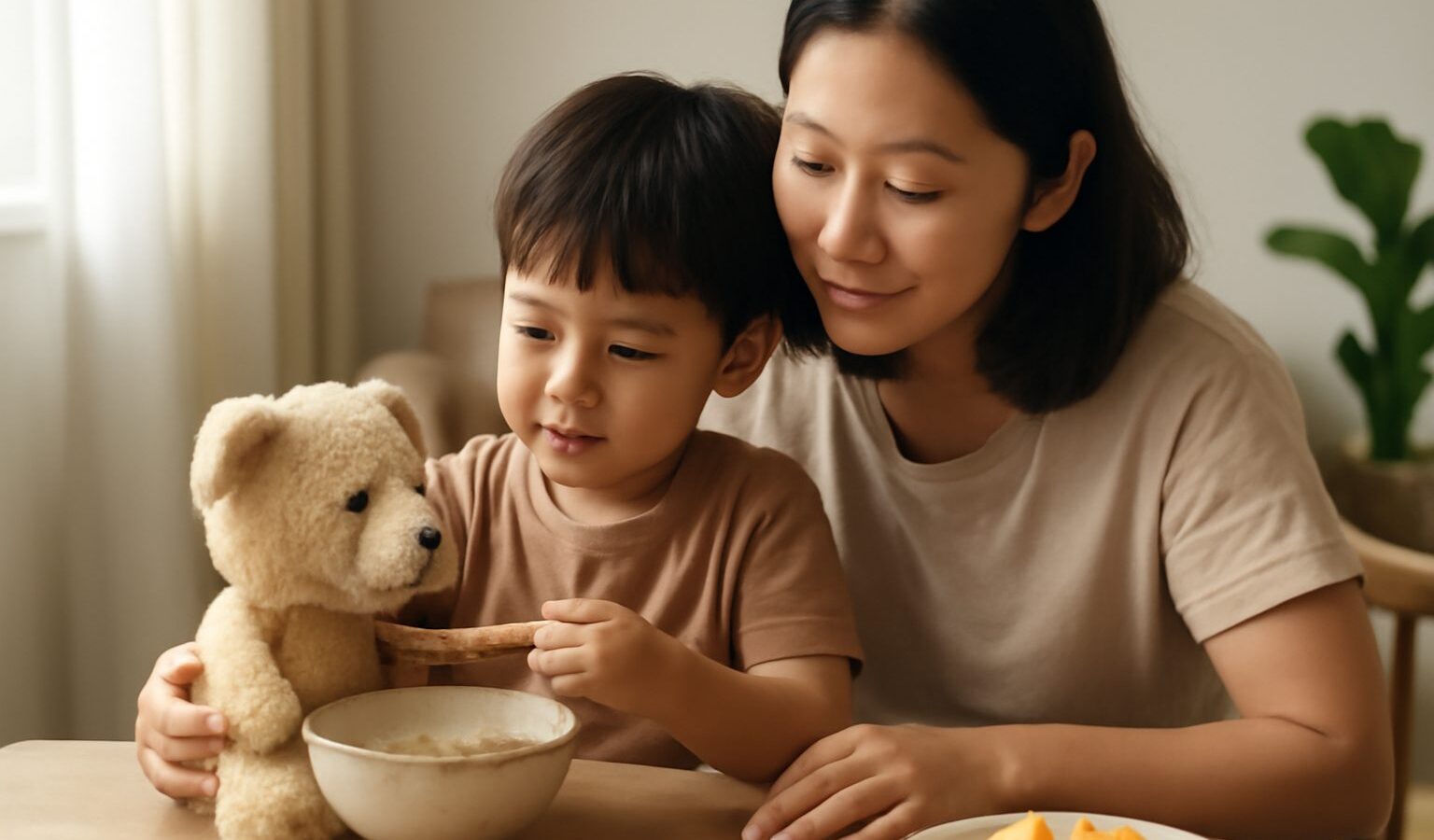
Every parent wants to raise a child who is not only capable but also kind. In a fast-paced, achievement-focused city, it can be easy to concentrate on grades and skills and forget that empathy is one of the most important things a child can learn. The good news about teaching empathy singapore parents will be glad to hear is this. Empathy is not a lecture you deliver. It is a way of living that children absorb from you, every single day.
Empathy is the ability to understand and share how another person feels. Kindness is what empathy looks like in action. Both can be nurtured from a very young age, and both grow best through warmth, example and everyday practice rather than through rules or pressure. There is no perfect formula, and your own caring nature is already the best teaching tool you have.
Children Learn Empathy by Watching You
Long before children understand a lesson about kindness, they are watching how you treat others. They notice how you speak to the hawker uncle, how you respond when a driver cuts in, how you talk about your colleagues, and how you comfort them when they are upset. Your everyday behaviour is the most powerful lesson of all.
This is wonderful news, because it means you do not need special materials or programmes. You simply need to be intentional about the kindness you already show. Say please and thank you sincerely. Hold the lift for a neighbour. Speak gently about others, even when you disagree. Show patience with the elderly and with those who are struggling. Your child is learning what a caring person looks like by watching you be one.
Modelling also means letting your children see you make repairs. When you lose your temper or get something wrong, apologise. Saying “I am sorry, I spoke unkindly just now” teaches your child that everyone slips up, and that kindness includes putting things right. This everyday honesty is part of raising children with strong values that last.
Naming Feelings and Building Understanding
Empathy starts with recognising feelings, first your child’s own and then other people’s. When children can name what they feel, they can better understand what others feel too.
Help your child build an emotional vocabulary. Instead of only asking if they are happy or sad, offer richer words like frustrated, disappointed, nervous, proud or left out. When your child is upset, you might say “You look really frustrated that the tower fell down.” This shows them that all feelings are normal and can be talked about.
Once children understand their own emotions, gently guide them to notice others. When you read a story together, pause to wonder how a character feels. When you see someone upset at the playground, quietly ask “How do you think that boy is feeling? What might help?” These small moments train the habit of considering other people, which is the heart of empathy.
Encourage your child to think about the effect of their actions. If they hurt a friend, avoid harsh shaming. Instead, calmly help them see the other side. “When you grabbed the toy, your friend felt sad. What could you do to help her feel better?” This guides them towards making things right rather than simply feeling bad.
Everyday Kindness in Family Life
Kindness grows strongest when it is woven into ordinary life. In Singapore’s multi-generational households, there are natural chances to practise it every day.
Give your child real ways to help. Let them carry a bag for Grandma, share their snacks with a sibling, or make a card for someone who is unwell. Small acts of contribution help children feel the quiet joy of caring for others. Praise the effort and the intention, not just the outcome.
Value kindness out loud. In a society that celebrates achievement, make a point of noticing and appreciating caring behaviour. When your child comforts a friend or shares without being asked, tell them you saw it and that it mattered. What you notice and praise is what your child learns to value.
Widen the circle gently. Talk about people whose lives are different from yours, and about caring for those who are less fortunate. Simple family habits, such as being kind to service staff, helping a neighbour, or donating outgrown toys together, show children that kindness reaches beyond the family.
Be patient with the process. Young children are naturally self-centred, and that is a normal part of development, not a character flaw. Empathy grows slowly, through countless small moments, over many years. There will be selfish days and unkind moments, and that is all part of learning. Your steady, gentle guidance is what shapes a caring heart in the long run.
Teaching empathy and kindness is really about how your family lives together. When your home is a place of warmth, respect and everyday care, your child grows up knowing in their bones what kindness feels like. That is a gift that will serve them, and everyone around them, for life.