
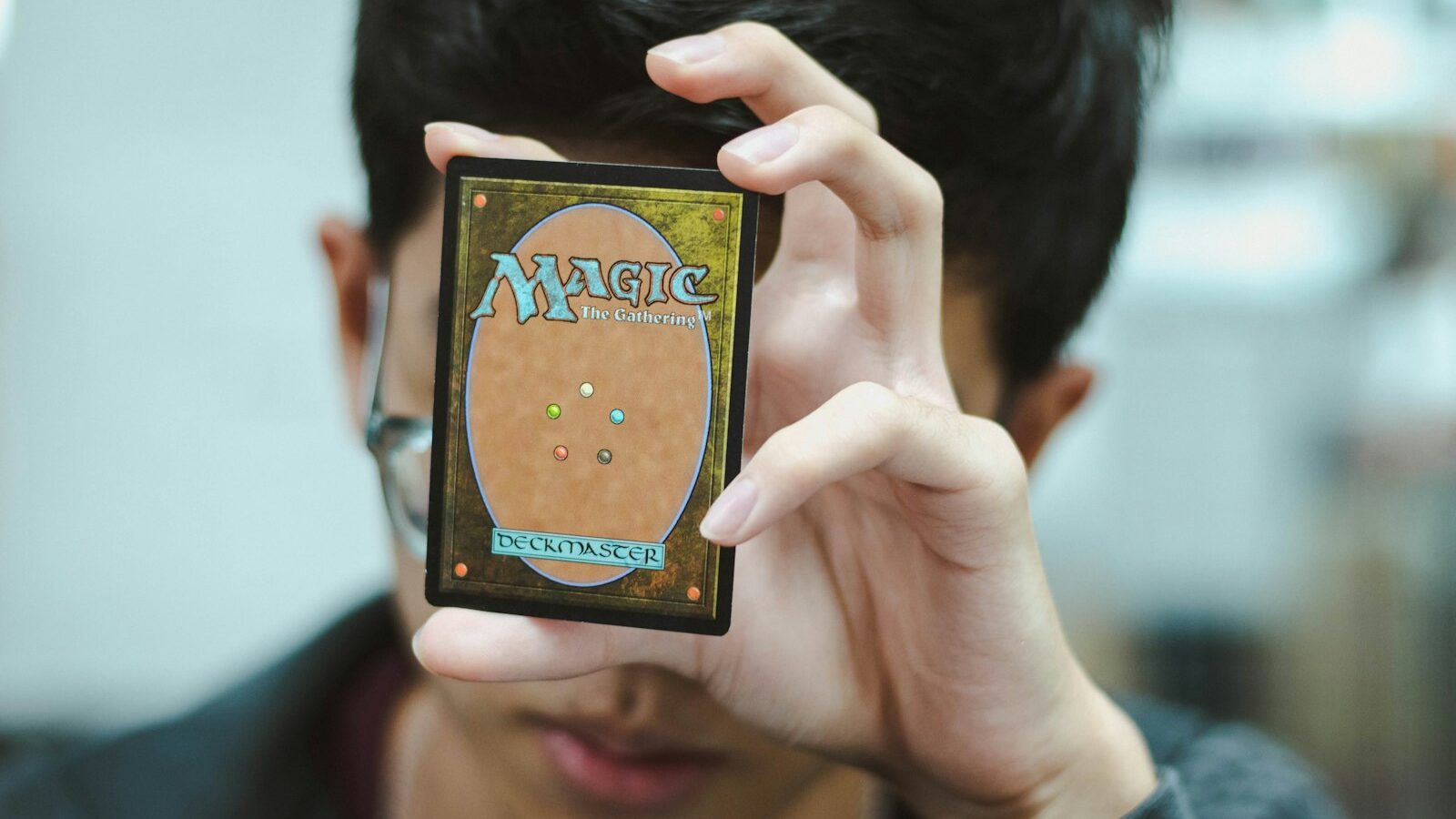
If your teen plays mobile or console games, you have probably heard them talk about “packs”, “crates”, “pulls” or “skins”. Many of these are loot boxes: paid, in-game mystery items where you spend money without knowing exactly what you will get. The link between loot boxes and gambling is something many Singapore parents are only starting to understand, and it is worth a calm, informed conversation at home. This is general information for families, not financial or clinical advice, and every young person is different.
The goal here is not to panic or to ban games outright. It is to help you understand how these features work, set sensible controls, and keep talking with your teen so gaming stays fun rather than costly.
How Loot Boxes Actually Work
A loot box is a bit like a surprise packet. Your teen pays real money, or an in-game currency they bought with real money, and receives a random reward. Sometimes it is something great. Often it is not. To get the item they really want, players may open box after box, spending far more than they planned.
The reason this matters is the design. These systems often use the same psychological hooks as gambling:
- Randomness and near-misses that make the next try feel worth it.
- Bright animations, sounds and celebrations when a rare item appears.
- Limited-time offers that create pressure to spend now.
- In-game currencies that blur how much real money is actually leaving the account.
Because the outcome is uncertain and money is on the line, gambling-like mechanics can be genuinely compelling, and for some young people they can become hard to control. Teenage brains are still developing the parts that manage impulse and long-term thinking, which is exactly why these features can hit harder for them than for adults.
The Real Risks for Teens
The most obvious risk is money. Small purchases add up quickly, and stories of large unexpected bills usually start with many tiny taps rather than one big decision. If your teen has access to a saved card or a family payment method, spending can happen faster than anyone notices.
Beyond money, watch for the behavioural side. Signs worth noticing include chasing losses by spending more to “make it back”, becoming secretive about purchases, distress or irritability when they cannot play or spend, or gaming and spending getting in the way of sleep, schoolwork and friends. None of these on their own mean there is a serious problem, but together they are a cue to slow down and talk.
It also helps to see loot boxes as one part of your teen’s wider digital life. Our guide on managing your child’s gaming and screen limits covers healthy boundaries, and guiding your teen on gaming and esports looks at keeping gaming positive.
Set Up Payment and Parental Controls
Practical controls take a lot of the pressure off both of you, because the friction does the hard work instead of constant policing.
- Turn on purchase approval so any spend needs a parent’s confirmation.
- Remove saved cards from the device and avoid storing payment details in game accounts.
- Use the parental control and spending-limit settings built into consoles, app stores and game platforms.
- Set the account’s age settings honestly so age-appropriate limits apply.
- Keep an eye on receipts and statements, and talk openly about what a fair monthly gaming budget looks like.
Agreeing on these together works better than imposing them in secret. Explain the “why”: you are not trying to spoil the fun, you are protecting them from designs built to encourage overspending. Framing it as “us versus the game’s tricks” keeps you on the same team.
Keep the Conversation Open
The most protective thing is not a setting, it is trust. Teens who feel they can tell a parent about a mistake, including overspending, are far more likely to come to you early. Stay non-judgmental. If your teen has already spent more than they meant to, respond with calm problem-solving rather than punishment, so they learn rather than hide.
Talk about how these systems are designed to make money, and help your teen build a healthy scepticism about “just one more” offers. This ties neatly into teaching everyday money sense, which our article on teaching kids and teens about money explores in more depth.
When to Seek Help
For a small number of young people, gambling-like gaming can tip into something that feels out of control and causes real distress. If spending, secrecy or low mood are getting worse despite your support, it is wise to seek help.
You can start with your family GP or your teen’s school counsellor, who can point you to the right support. In Singapore, the National Council on Problem Gambling offers information and help for gambling-related concerns, and there are youth mental-health services and confidential support lines for teens who are struggling. If your teen ever seems overwhelmed or hopeless, treat it seriously and reach out for support promptly; in a crisis, help is available at any hour.
Loot boxes and in-game gambling are now part of the landscape our children grow up in. With honest conversations, sensible controls and a steady, supportive tone, you can help your teen enjoy gaming while keeping their money, time and wellbeing safe.