
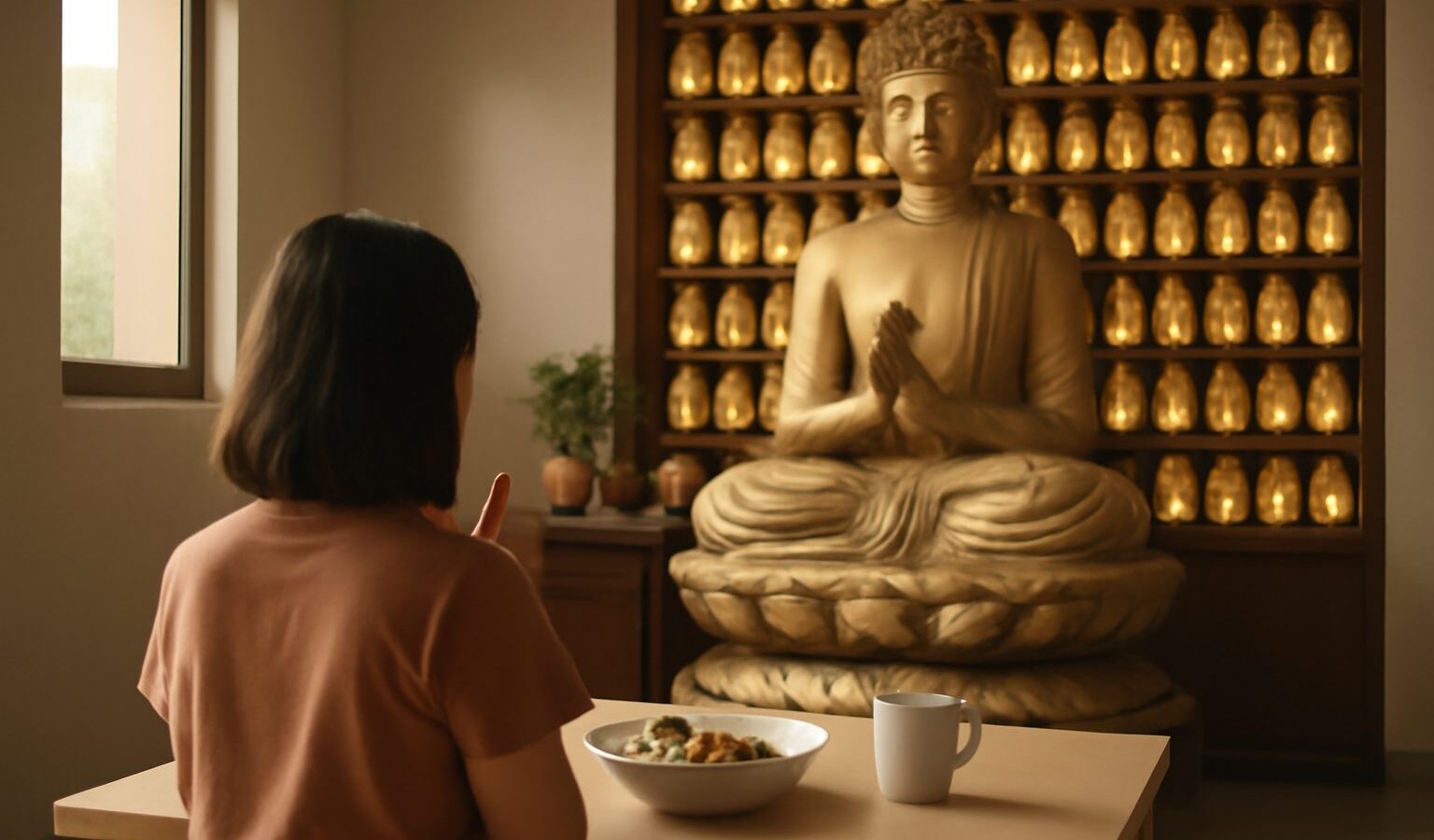
The Temple of a Thousand Lights is one of Singapore’s most cherished Buddhist temples, famous for its enormous seated Buddha and the ring of lights that gives the temple its popular name. Set along Race Course Road near Little India, it draws devotees and curious visitors from around the world. This guide shares what makes the temple special and how to visit with quiet respect.
Significance and history
Formally known by its Buddhist name, Sakya Muni Buddha Gaya, the temple is popularly called the Temple of a Thousand Lights because of the halo of small electric lights that traditionally surrounds its central Buddha image. It reflects the devotion of the community that built and cared for it, and it has become a familiar landmark in the heritage rich district near Little India.
The temple is often associated with a founder who dedicated years to its creation and to gathering the images and relics housed within. Rather than fix precise dates or figures from memory, treat the temple’s own plaques and staff as the reliable source for its founding and history. What matters most is the spirit behind it. This is a place shaped by faith, generosity and the wish to share the teachings of the Buddha.
Over the decades the temple has served as a place of worship, reflection and pilgrimage. For many Singaporeans it also carries personal memories of childhood visits, family blessings and quiet moments of prayer.
What to see
The temple’s centrepiece is a very large seated Buddha figure, serene and imposing, that dominates the main hall. The surrounding lights, from which the temple takes its name, create a gentle glow that many visitors find calming. Take a moment simply to sit and observe the atmosphere before exploring further.
Around the base and interior you will find smaller shrines, images and scenes drawn from the life of the Buddha, illustrating episodes such as his birth, his search for truth and his enlightenment. These help tell the story of the faith to visitors who may be encountering it for the first time.
Look too for the mother of pearl inlays, painted panels and other devotional details that reward a slower, closer look. A reclining Buddha image is another feature that visitors often remember, and it is sometimes housed in its own chamber that devotees can enter to pay their respects. As with any active temple, please treat these images as objects of devotion rather than mere photo opportunities.
Many visitors also come to make simple offerings of flowers, fruit or incense, and to spend a few quiet minutes in reflection. If you watch closely you may see devotees performing small acts of devotion such as bowing, lighting lamps or leaving donations for the temple’s upkeep and charitable work. These everyday gestures, repeated across the years, are part of what keeps the temple alive as a spiritual home rather than a static relic. Take your time, and let the pace of devotion set the tone for your own visit.
Architecture
The temple mixes styles and influences, reflecting the many strands of Buddhist practice and the community that built it. The exterior is welcoming rather than grand, and the real drama lies inside, where the scale of the central Buddha becomes clear. The design draws the eye upward and inward, encouraging a sense of stillness.
Because the building is a living place of worship, its arrangement follows devotional use. There are spaces for offering, for lighting lamps, for quiet prayer and for circumambulating the main image. Notice how the flow of the hall gently guides worshippers around the Buddha in a respectful, unhurried way.
Festivals and observances
Vesak Day is the most significant occasion in the Buddhist calendar, marking the birth, enlightenment and passing of the Buddha, and temples across Singapore observe it with special devotion. The Temple of a Thousand Lights can be especially busy during Vesak and other holy days, with more visitors, offerings and prayer. Dates follow the lunar calendar and vary from year to year, so check ahead if you hope to witness these observances.
| Aspect | Temple of a Thousand Lights | General visitor note |
|---|---|---|
| Tradition | Buddhist temple | Active place of worship |
| Formal name | Sakya Muni Buddha Gaya | Popular name refers to the lights |
| Signature feature | Giant seated Buddha | Ring of lights around it |
| Location | Near Race Course Road, Little India | Easy to pair with a district walk |
| Footwear | Removed before entering | Racks usually provided |
| Key festival | Vesak Day | Lunar dates, verify yearly |
Do confirm current opening hours and customs at the temple itself before you go.
Visiting etiquette
Approach the temple as you would any place of worship, with calm and courtesy. Dress modestly, covering shoulders and knees, and remove your shoes where indicated before stepping into the main hall. Keep your voice soft and your movements unhurried, as others may be deep in prayer or meditation.
When making an offering or lighting a lamp, follow the quiet example of the devotees around you, and never handle statues, relics or offerings casually. If you wish to sit, do so respectfully and avoid pointing your feet towards the Buddha images, which is considered disrespectful in Buddhist practice.
Photography is often allowed in general areas, but ask before photographing worshippers and switch off your flash, as it can disturb both people and delicate surfaces. Some shrines may prohibit photography entirely, so watch for signs. Do not interrupt anyone at prayer, and if a ceremony is under way, step aside and observe quietly rather than moving through the middle of it. Small acts of consideration go a long way in keeping the temple peaceful for everyone.
A place of light and calm
The Temple of a Thousand Lights offers a rare moment of stillness in the busy heart of the city. Beneath the glow of its lights and the gaze of its great Buddha, visitors find a space for reflection that has comforted generations. Come with respect, follow the temple’s own guidance on hours and customs, and let the quiet do its work.
Explore more: Temple worship etiquette for newcomers · Little India heritage · Religious harmony and festivals in Singapore