
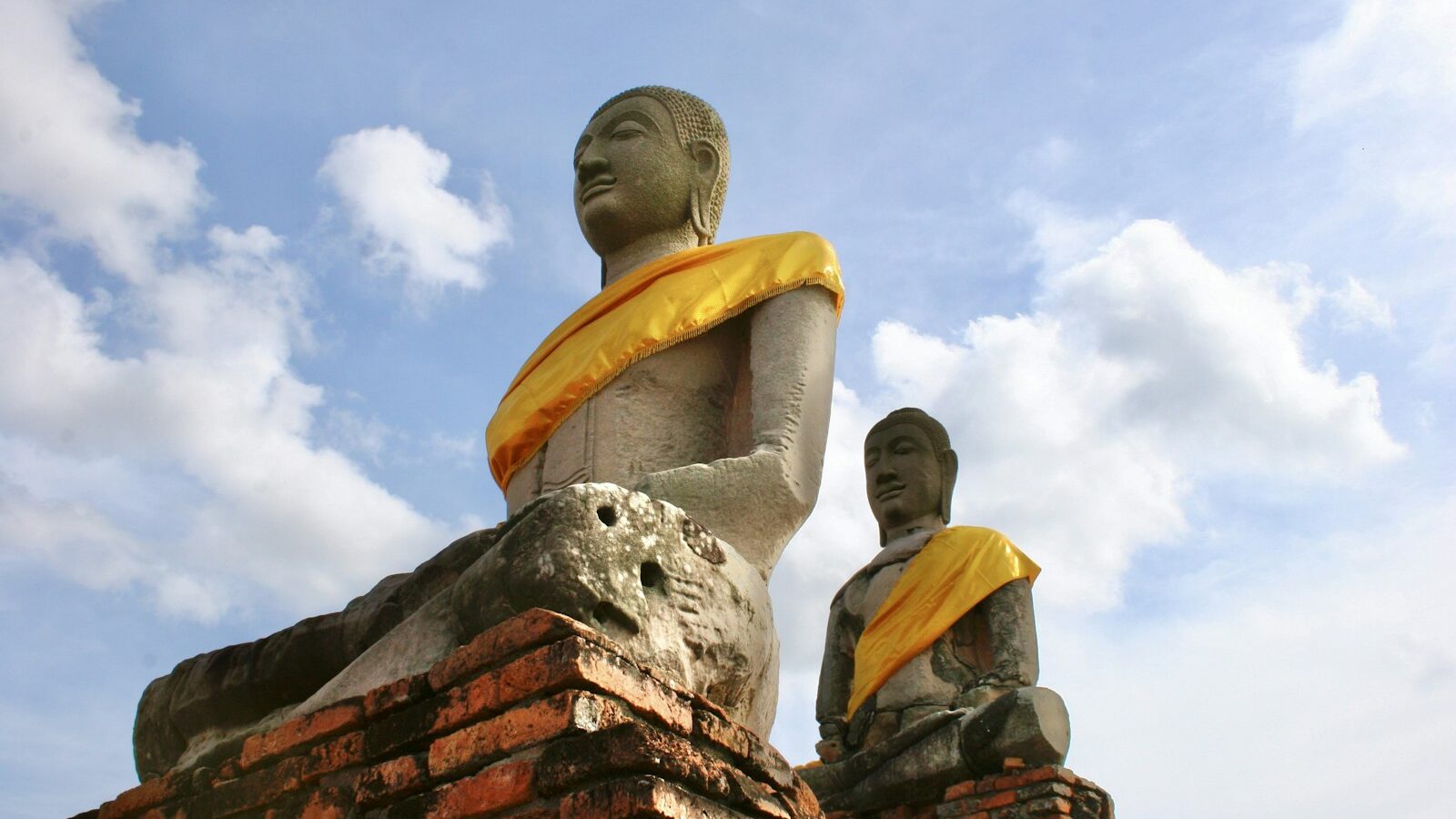
Buddhist temples are a serene and significant part of Singapore’s religious and cultural landscape, reflecting the heritage of Buddhism among the community. This guide explores Buddhist temples in Singapore, their significance, architecture, practices and how to visit respectfully.
Heritage and significance
Buddhism has a long and significant presence in Singapore, and its temples are important places of worship, community and cultural heritage. These temples serve as centres for religious practice, teaching, meditation and community gathering, reflecting the beliefs and values of Buddhism, such as compassion, mindfulness and the pursuit of enlightenment. Ranging in tradition and style, Singapore’s Buddhist temples reflect the diverse forms of Buddhism practised by the community. They offer places of tranquillity, reflection and devotion amid the busy city. As active places of worship and living heritage, the temples preserve traditions, teachings and festivals. Understanding their heritage and significance illuminates an important dimension of the community’s spiritual life and Singapore’s religious diversity.
Architecture and features
| Feature | Significance |
|---|---|
| Serene architecture | Spaces designed for tranquillity and devotion |
| Buddha images | Central to worship and reverence |
| Halls and altars | For prayer, offering and meditation |
| Symbolic details | Art and motifs reflecting Buddhist teachings |
Buddhist temples are often characterised by serene, beautiful architecture designed to inspire tranquillity, reverence and reflection. Buddha images and statues are central, venerated in prayer halls and at altars where worshippers offer prayers, incense and offerings. The architecture and art of the temples, from statues and carvings to decorative and symbolic details, reflect Buddhist teachings, values and heritage. Many temples offer peaceful spaces for meditation and contemplation. The serenity and beauty of the temples make them not only places of worship but also havens of calm and repositories of art and tradition. Appreciating the architecture and its symbolism enriches a visit, revealing the craftsmanship and spiritual meaning embedded in these tranquil sacred spaces.
Practices and teachings
Buddhist temples are centres of religious practice and teaching, where the community engages in worship, meditation, chanting and learning. Buddhism emphasises values such as compassion, mindfulness, wisdom and the pursuit of enlightenment, and these are reflected in the practices and teachings at the temples. Worshippers may offer prayers and offerings, participate in ceremonies, meditate, or attend teachings and talks. Temples often serve as places for spiritual guidance, reflection and community. The practices, rooted in Buddhist philosophy and tradition, offer paths to inner peace, ethical living and spiritual growth. Understanding these practices and teachings offers insight into the beliefs and values that animate the temples and the spiritual heritage they preserve and pass on within the community.
Festivals and observances
Buddhist temples come alive during festivals and religious observances, which are meaningful expressions of faith and tradition. Vesak Day, commemorating the birth, enlightenment and passing of the Buddha, is the most significant Buddhist festival, marked by devotions, ceremonies, acts of kindness and generosity, and reflection on the Buddha’s teachings. Temples are especially vibrant during such occasions, with worshippers gathering for prayers, offerings and rituals. Other observances also mark the Buddhist calendar. These festivals reflect the community’s devotion and the values of compassion, generosity and mindfulness central to Buddhism. Experiencing a temple during a festival like Vesak offers a meaningful window into living heritage and communal devotion, and the spiritual life of the community.
Visiting respectfully
Visitors are often welcome at Buddhist temples, but respectful conduct is important. Dressing modestly, behaving quietly and considerately, removing shoes where required, and being mindful of worshippers and rituals are appreciated. Observe any guidelines regarding photography, offerings or restricted areas, and avoid disturbing those in prayer or meditation. Approaching the temple with curiosity, humility and respect enhances the experience and honours the sacredness and serenity of the space. Temples are active places of worship and living heritage, not merely attractions, so thoughtful conduct is essential. Visiting respectfully offers a rewarding opportunity to appreciate the tranquillity, architecture and spiritual life of the community, and to gain insight into an important part of Singapore’s religious and cultural heritage.
The takeaway
Buddhist temples are a serene and significant part of Singapore’s religious and cultural landscape, reflecting the heritage of Buddhism and its values of compassion, mindfulness and the pursuit of enlightenment. As places of worship, teaching, meditation and community, and as havens of tranquillity, the temples preserve traditions, practices and festivals such as Vesak. Their serene architecture and art reflect Buddhist teachings and heritage. Understanding the practices, teachings and observances that animate the temples offers insight into the community’s spiritual life. Visiting respectfully, with humility and curiosity, allows appreciation of these tranquil sacred spaces and their cultural meaning, an important and serene part of Singapore’s religious diversity and heritage.
Understanding the different Buddhist traditions
One reason Singapore’s Buddhist temples vary so much in appearance and atmosphere is that they belong to different schools of Buddhism, each with its own emphases, rituals and aesthetics. Recognising these traditions helps visitors make sense of what they see and choose a temple that suits their interests.
- Mahayana Buddhism: Widely practised among the Chinese community, Mahayana temples often feature multiple Buddha and Bodhisattva figures, such as Guan Yin (the Bodhisattva of Compassion), alongside elaborate halls, chanting services and colourful decorative detail.
- Theravada Buddhism: Associated with communities of Thai, Sri Lankan, Burmese and Cambodian heritage, Theravada temples tend towards a calmer, more restrained style, with a strong focus on the historical Buddha, monastic discipline and meditation.
- Vajrayana (Tibetan) Buddhism: Less common but present in Singapore, Vajrayana centres are recognisable by their vivid thangka paintings, mantras and ritual objects, reflecting a distinct devotional tradition.
Many worshippers move comfortably between traditions, and some temples blend influences. Rather than treating these labels as rigid categories, think of them as a helpful lens for appreciating the diversity within Singapore’s Buddhist community and the varied ways the same core teachings are expressed.
Planning your visit and avoiding common mistakes
A little preparation makes a temple visit smoother and more meaningful, and helps you avoid missteps that first-time visitors often make. Because temples are living places of worship, their opening hours, prayer schedules and event calendars vary, so it is worth checking the individual temple’s own website or contacting them directly before you go, especially around major festivals such as Vesak when crowds and timings differ.
- Do not treat it purely as a photo stop: Prioritise quiet, respectful observation over capturing images, and always ask or check for signage before photographing altars, statues or worshippers.
- Mind your dress and footwear: Cover shoulders and knees, and be ready to remove your shoes where indicated rather than assuming it is optional.
- Follow, do not lead: If you are unsure how to make an offering or where to stand, observe regular worshippers or ask a temple volunteer instead of guessing.
- Be considerate with children and groups: Keep voices low and movements calm in prayer halls, and supervise young visitors near candles, incense and altars.
If you have accessibility needs or plan to attend a ceremony, it is best to enquire with the temple in advance, as facilities and public participation arrangements differ from one temple to another. Approaching your visit with patience and openness, and confirming details from the temple itself, ensures a rewarding experience that honours the sacredness of the space.
Explore more: Chinese temples and Taoism in Singapore · Mosques of Singapore · Hindu temples of Singapore