
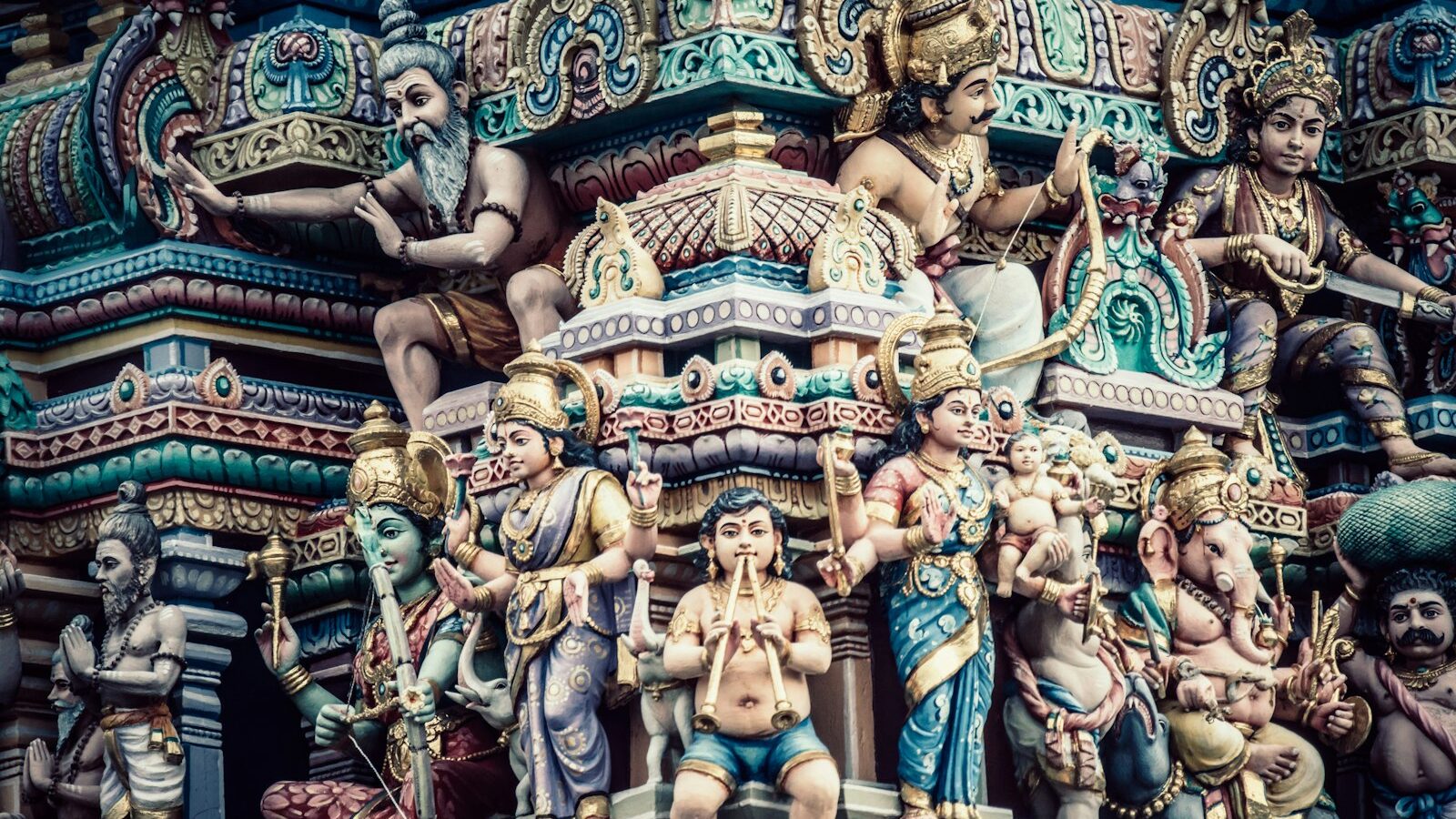
Once a year, in the cool hours before dawn, the streets of central Singapore fill with the sound of ankle bells, drums, and chants. This is Thaipusam, one of the most striking public expressions of faith you will see anywhere in the city. If you have ever wondered what Thaipusam Singapore involves, why devotees carry ornate structures on their shoulders, or how to watch respectfully as a newcomer, this guide walks you through it. Thaipusam is a Hindu festival honouring Lord Murugan, and in Singapore it takes the form of a long foot procession between temples that draws devotees and onlookers from across the island.
What Thaipusam Is
Thaipusam is a festival observed mainly by Tamil Hindus. Its name comes from the Tamil month of Thai and the star Pusam, which reaches its highest point in the sky during the festival. It is dedicated to Lord Murugan, also known as Subramaniam, the Hindu deity of war, victory, and wisdom, and the son of Lord Shiva and the goddess Parvati.
At its heart, Thaipusam is a day of thanksgiving and vows. Devotees make a vow, often in return for a prayer answered, a recovery from illness, the safe arrival of a child, or help through a hard season of life. To fulfil that vow, they carry a physical burden through the streets as an act of devotion and gratitude. The festival is not about spectacle for its own sake. It is about surrender, discipline, and paying back a promise made to the divine.
Preparation begins well before the day itself. Many devotees observe a period of fasting and prayer that can last several weeks. During this time they may follow a vegetarian diet, abstain from certain comforts, sleep simply, and focus their minds through prayer. The idea is to purify the body and the mind so that the burden can be carried with a calm, devoted spirit rather than raw physical strength alone.
The Kavadi and the Milk Pots
The most recognisable image of Thaipusam is the kavadi. A kavadi is a physical burden taken up as an offering. It ranges from the simple to the elaborate.
The gentlest and most common form is the paal kudam, or milk pot. Devotees, including many women and children, carry a pot of milk on their heads or shoulders along the entire route. The milk is later offered at the temple. Carrying it steadily for kilometres, without spilling, is itself a quiet act of devotion.
At the more demanding end are the large ornamental kavadi. These are arched frames, sometimes tall and heavy, decorated with peacock feathers, flowers, and images of the deity. The peacock is significant because it is the sacred mount of Lord Murugan. The bearer supports the whole structure on the shoulders and hips throughout the procession.
Some devotees also take on the vel kavadi, which involves skewers and hooks piercing the skin, the tongue, or the cheeks. To an unfamiliar onlooker this can look shocking. It helps to understand the belief behind it. Devotees enter a deep meditative and prayerful state during their weeks of preparation, and many describe feeling little pain, viewing the experience as a spiritual trance rather than an ordeal. Whatever your own beliefs, the respectful response is quiet observation, not alarm or judgement.
Thaipusam is not a performance staged for visitors. It is a personal vow being kept in public. The crowd is welcome, but the day belongs to the devotees.
How Thaipusam Is Observed in Singapore
In Singapore, Thaipusam takes the form of a devotional foot procession between two temples in the central part of the city. Devotees set off from a temple dedicated in part to Lord Murugan and make their way on foot to a receiving temple several kilometres away, where their offerings are presented. The exact temples and the permitted route are managed with the authorities each year, so it is best to check the current details closer to the date rather than assume a fixed path.
The procession runs across the day, often beginning in the dark early morning and continuing for many hours. Family members and volunteers walk alongside each kavadi bearer, holding umbrellas for shade, offering water, singing, and chanting to keep the bearer focused and encouraged. The air carries incense, the scent of jasmine and marigold, and the steady rhythm of devotional music.
The atmosphere blends the solemn and the joyful. There is real physical effort and deep concentration on the faces of the bearers, yet there is also community, colour, and celebration among the families who support them. For many Singaporean Hindu families, Thaipusam is an annual anchor, a day that connects generations through a shared act of faith.
The Spiritual Weight of the Burden
It is worth pausing on why the burden matters. In everyday life, a promise is easy to make and easy to forget. The kavadi turns a promise into something you can feel in your shoulders and your feet for hours on end. The weight, the distance, and the discipline of the fast are all part of the offering. The heavier the burden willingly carried, the deeper the gratitude expressed. Understanding this transforms what you are watching from a strange sight into a moving one.
The Date Changes Each Year
Thaipusam does not fall on the same calendar date every year. It follows the Hindu lunar calendar and usually lands in the Gregorian month of January or February, on the full moon of the Tamil month of Thai. Because the date shifts, always confirm the specific day for the year you plan to attend before making arrangements. Public holiday status and any road closures for the procession are also worth checking with official Singapore sources ahead of time.
Respectful Spectating Tips for Newcomers
If you are new to Singapore, or simply new to the festival, you are welcome to watch. A little preparation helps you enjoy the day without getting in the way of those observing it.
- Go early. The procession often starts before sunrise. The early morning is cooler, calmer, and one of the most atmospheric times to witness it.
- Dress modestly. You are in and around temples. Cover your shoulders and knees, and choose comfortable clothing and footwear you can walk in.
- Keep the route clear. Devotees and their support parties need room to move. Stay to the side, follow any barriers or marshals, and never block the path of a kavadi bearer.
- Lower your voice. Many bearers are in deep concentration. Avoid shouting, cheering loudly, or anything that might break their focus.
- Ask before you touch. Do not touch a kavadi, a devotee, or any offering. These are sacred to the person carrying them.
- Stay hydrated and patient. Crowds, heat, and long waits are part of the day. Bring water and give yourself time.
A Quick Checklist Before You Go
- Confirm this year’s date and check for any public holiday and road closures.
- Note the current start temple, receiving temple, and approved route.
- Plan public transport, as parking and roads near the route may be restricted.
- Pack water, sun protection, and comfortable shoes.
- Read up briefly on Lord Murugan and the meaning of the kavadi so the day makes sense.
Photography and Etiquette Notes
Thaipusam is visually stunning, and photography is generally accepted along the public route. Even so, a few courtesies go a long way.
Treat people as people first and subjects second. If you want a close portrait of a devotee, catch their eye and ask, or simply hold back and photograph from a respectful distance. Never crowd a bearer or step into the procession to get a shot. Turn off your flash, especially in the dim early hours, as a sudden burst of light can startle someone carrying a heavy load. Inside temple grounds, look for signs about photography and follow them, and remove your shoes where required. Above all, remember that the piercings, the effort, and the emotion you are capturing are acts of faith, not entertainment. Share your images with the same respect you would want shown to something sacred in your own life.
If you approach Thaipusam with curiosity and courtesy, it can be one of the most memorable mornings of your year in Singapore. You will come away with more than photographs. You will have witnessed a living tradition, carried on real shoulders, through the heart of the city.
Explore more: A guide to Singapore’s festivals and Singapore’s ethnic enclaves