
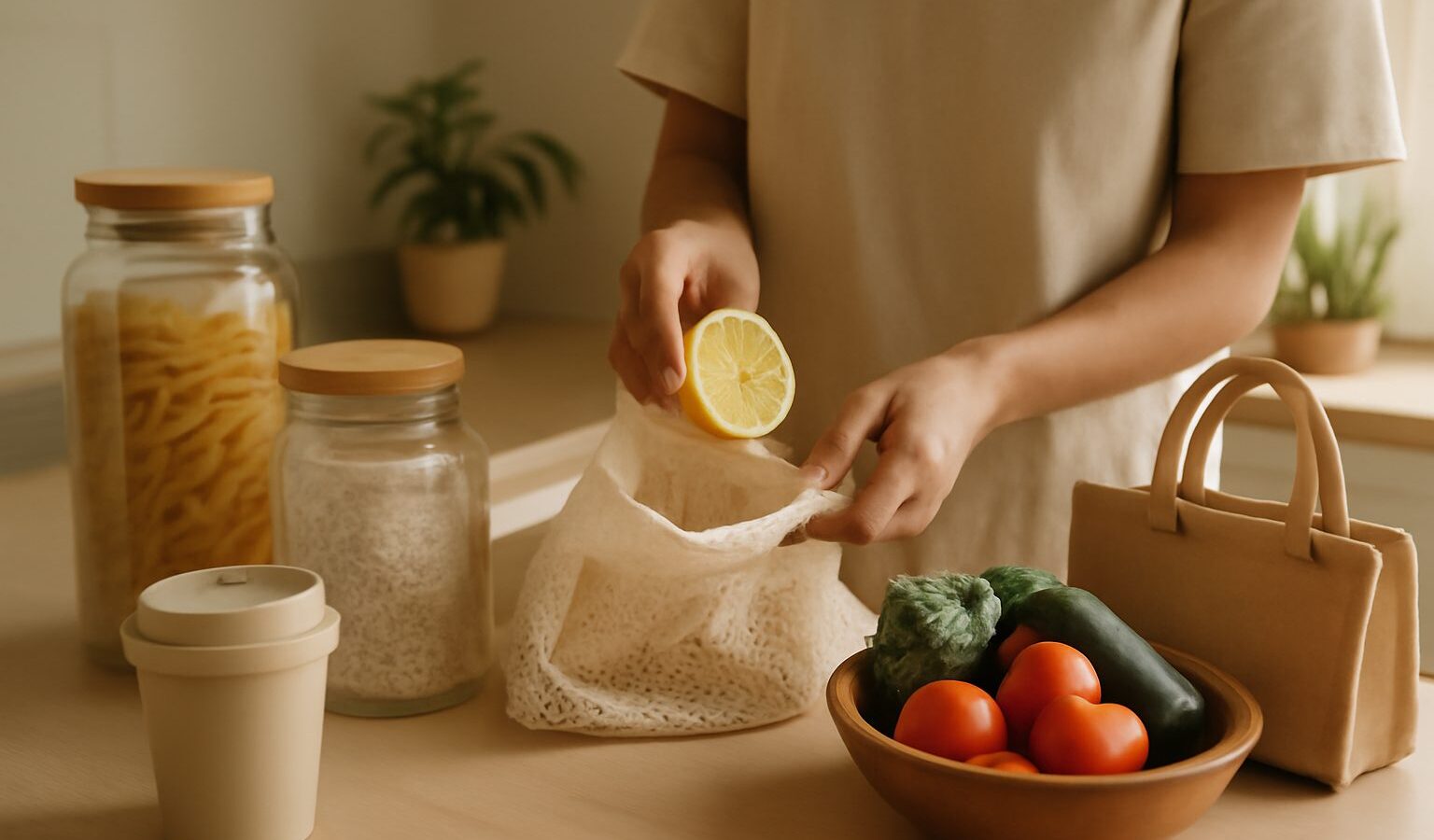
The phrase can sound intimidating, as if it demands a year of rubbish fitting into a single jar. In practice, zero waste singapore living is far more forgiving and far more useful than that image suggests. It is a direction, not a finish line: a set of habits that steadily trim the waste flowing through your home, chosen to fit a busy city where takeaway, deliveries and hawker meals are part of daily life. You do not have to be perfect to make a real difference, and this guide is about progress you can actually keep up.
Below is the thinking behind it, the swaps that work here, where to shop and connect, and how to do all this without turning it into a source of stress.
The Five Rs, In Order
Most zero-waste thinking follows a simple hierarchy, and the order matters because it puts prevention before clean-up.
- Refuse what you do not need: freebies, flyers, single-use cutlery, the extra bag.
- Reduce what you do use: buy less, buy better, borrow or share.
- Reuse by choosing durable, refillable and second-hand items.
- Recycle what is left, correctly, following NEA guidance on what the blue bins accept.
- Rot the organic scraps through composting so they do not head to the incinerator.
Recycling sits near the bottom on purpose. It is useful, but it uses energy and only works when done right, so the bigger wins come from refusing and reducing in the first place.
Realistic Swaps That Stick
The swaps that last are the ones that fit your routine, not the ones that look good in photos. Start with a couple, make them automatic, then add more. Keep your reusables where you will actually grab them: by the door, in your bag, at your desk.
| Everyday item | Low-waste swap |
|---|---|
| Plastic checkout bag | Foldable reusable bag kept in your daily bag |
| Bottled water and drinks | Refillable bottle topped up at water coolers |
| Disposable coffee cup | Own tumbler, accepted at many cafes |
| Single-use cutlery from delivery | Small reusable cutlery set; tick “no cutlery” when ordering |
| Cling film and plastic tubs | Reusable containers and beeswax wraps |
| Paper towels for everything | Washable cloths for spills and wiping |
None of these require a special lifestyle. The delivery-cutlery opt-out alone, multiplied across a city that orders a lot of food, is a meaningful habit. For eating out and dabao, bringing your own container is normal at many stalls; just ask first.
Shopping With Less Packaging
Packaging is where a lot of household waste hides, and Singapore has more options than people expect.
- Wet markets let you buy loose produce, tofu, eggs and more, often into your own bag or container, with far less packaging than a supermarket shelf.
- Package-free and bulk stores sell grains, nuts, cleaning liquids and toiletries by weight, so you refill your own containers and buy only what you need.
- Loose over pre-packed at the supermarket: choosing unwrapped fruit and vegetables and larger sizes over single-serve portions cuts packaging quietly.
If bulk shopping is new to you, our guide to package-free and bulk shopping in Singapore walks through how refill stores work, what to bring and how to start small without overhauling your whole pantry.
Saying No, and Meaning It
Refusing is the most overlooked R, partly because it can feel awkward. Yet it is the cleanest form of waste reduction: what you never take home never has to be dealt with. A few gentle habits help.
- Decline free samples, goodie bags and promotional gifts you will not use.
- Ask for no straw and no cutlery when you order.
- Unsubscribe from catalogues and go paperless with bills.
- Pause before impulse buys, especially cheap items that break fast.
None of this is about deprivation. It is about not letting stuff you never wanted accumulate in the first place, which is easier than clearing it later.
Mindset Over Perfection
Here is the part that keeps people going: aim for lower waste, not zero. If everyone reduced a little, that adds up to far more than a handful of people trying to be flawless. Forgetting your tumbler one morning does not undo the other days you remembered. Using a plastic bag when you are caught out does not disqualify you.
Eco-guilt is a real trap, and it tends to make people give up entirely rather than improve. The healthier frame is to celebrate the swaps you have made, notice where you can do a bit more, and let the rest go. This is a practical lifestyle for the long run, and it should feel sustainable for you too, not just for the planet.
Reducing packaging and disposables also connects to the broader push against throwaway plastics, covered in our guide on reducing single-use plastics in Singapore.
Finding Shops and Communities
You do not have to do this alone, and it is more fun when you do not. Singapore has a lively low-waste scene: refill and package-free shops, repair and swap events, thrift and second-hand groups, and online communities that share tips, host meet-ups and answer beginner questions. Zero-waste and sustainability groups often run bring-your-own bazaars and clothes swaps where you can offload what you no longer need and pick up what you do.
Follow a couple of local groups, visit one refill shop, and go to a single swap event. Seeing that plenty of ordinary people live this way, imperfectly and cheerfully, is often what turns a few swaps into a lasting habit.
Explore More
Low-waste living is a collection of small, doable choices. If cutting disposables is your priority, start with reducing single-use plastics in Singapore, and when you are ready to tackle packaging at the source, our guide to package-free and bulk shopping in Singapore shows you exactly how to begin.
Related across Sky Media: Zero-Waste Home Ideas in Singapore