
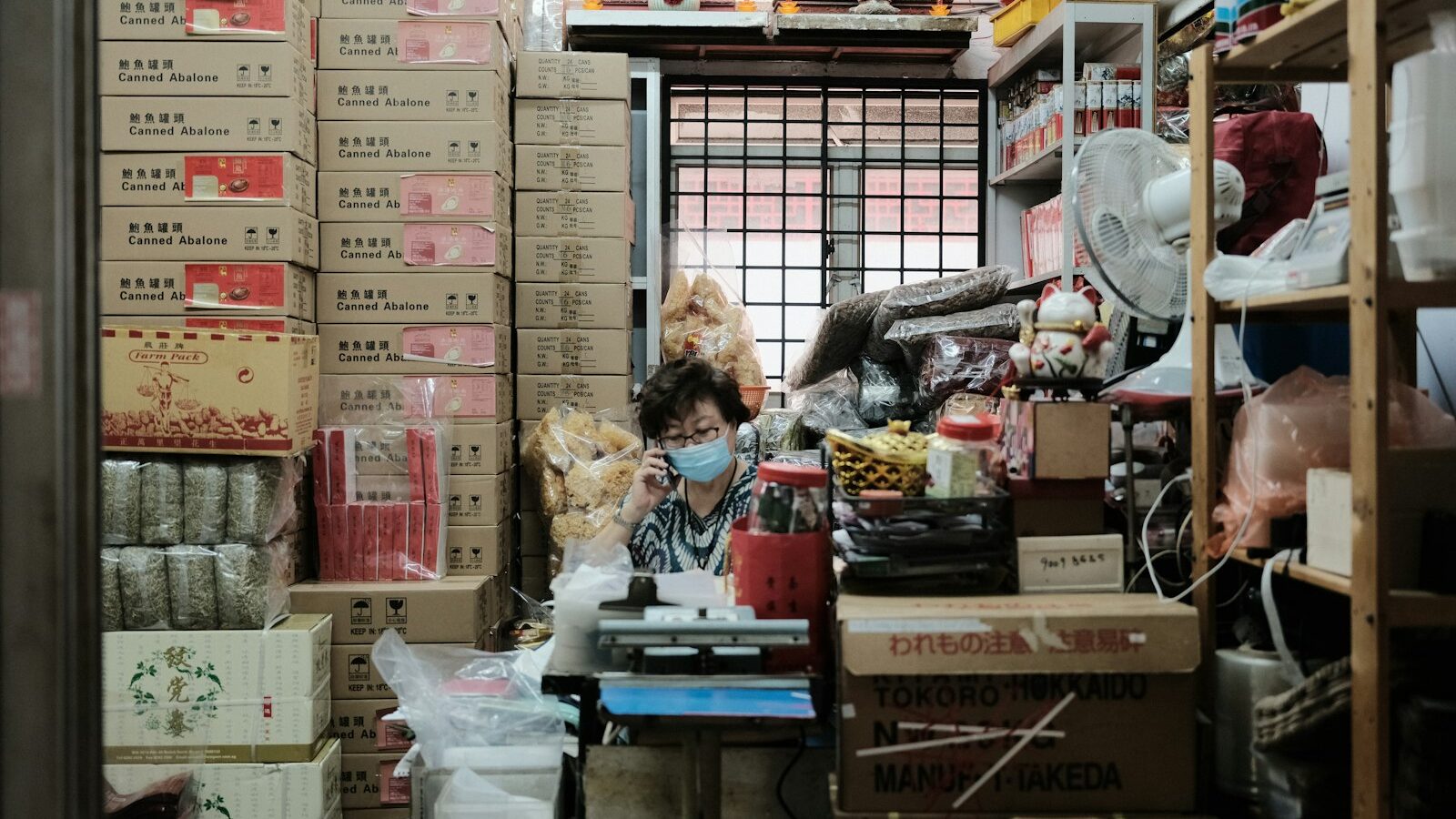
So much of the rubbish we throw out never held anything we wanted. It is the wrapper, the tray, the shrink film and the extra bag that came with the thing we actually bought. Package free shopping Singapore-style is about quietly trimming that layer of waste from your groceries and household runs, without turning every trip into a mission. You do not need to be perfectly zero waste to make a real dent. Bringing a container to a bulk store, choosing loose produce at the wet market, refilling your detergent instead of buying a new bottle, and skipping the most over-packaged items all add up. This guide walks through the realistic ways to shop with less packaging in a busy, convenience-loving, HDB-dwelling city.
Why Packaging Piles Up in Our Bins
Convenience shopping is built around single-use packaging. Supermarket produce comes pre-portioned on trays, snacks arrive in individually wrapped servings, and online orders turn up in a box inside a bag inside more plastic. Most of this ends up incinerated rather than recycled, because thin films, food-stained trays and mixed materials are hard to process cleanly. The National Environment Agency (NEA), which runs our waste and recycling system and the blue recycling bins, has long pointed to the same first step: reducing what we bring home beats trying to recycle it later.
The good news is that packaging is one of the easiest kinds of waste to cut, because you decide at the point of purchase. Every time you choose the loose apples over the tray of four, or refill a bottle instead of buying a new one, you have prevented waste before it existed. Start with one or two habits, let them settle in, then add more.
Bulk Stores and Refill Stations
A small but growing number of zero-waste and bulk shops let you buy staples by weight and fill your own containers. You bring clean jars, tubs or bags, weigh them empty (the shop tares the weight), then scoop what you need: rice, oats, pasta, nuts, dried beans, spices, coffee and more. You pay only for the food, not for packaging you will bin minutes later. Buying the exact amount you need also helps cut food waste, which is a double win.
Refill stations work the same way for household and personal items. Many bulk shops and some independent grocers offer refills for dish soap, laundry detergent, floor cleaner, hand wash, shampoo and body wash. You bring your empty bottle, top it up, and pay by volume. A few habits make this painless:
- Keep a small kit of clean, labelled containers you actually reuse, rather than hoarding every jar.
- Note the tare weight on the lid so refills are quick each time.
- Batch your refills into one trip so it fits a normal errand, not a special journey.
- Start with the products you get through fastest, like detergent or rice, for the biggest payoff.
Refill and bulk options are still a niche in Singapore, so treat them as one useful tool rather than the whole answer. Even a monthly refill run replaces a stack of bottles over a year.
Wet Markets Versus Pre-Packed Supermarkets
Our wet markets are quietly one of the lowest-packaging ways to shop. Produce, fish and meat are usually sold loose, and you can often ask the stallholder to skip extra bags if you bring your own. You buy the quantity you want, from a single lime to a handful of chillies, instead of a fixed pre-packed tray. Bring a few reusable produce bags and a sturdy tote and you can do a full grocery run with almost no disposable packaging.
Supermarkets are convenient, but a lot of their produce is portioned onto foam or plastic trays and wrapped in film. When you shop there, you can still lean towards loose fruit and vegetables where they are offered, choose larger single packs over multipacks of small ones, and pick cardboard or paper packaging over plastic when there is a choice. Here is how common choices compare:
| Shopping choice | Packaging impact |
|---|---|
| Loose produce at a wet market with your own bag | Little to none; you control the quantity |
| Bulk staples refilled into your own container | Minimal; reuses one container many times |
| Loose fruit and veg at the supermarket | Low; a single reusable produce bag replaces trays |
| Pre-packed tray of produce wrapped in film | High; foam or plastic plus film, binned at once |
| Individually wrapped snack multipacks | Very high; one outer bag plus many inner wrappers |
| Heavily over-packaged gift or hamper items | Very high; layers of plastic, foam and ribbon |
None of this has to be all or nothing. Do the wet market run when you have time, and lean towards the lower-packaging option at the supermarket when you do not.
BYO Containers for Hawkers and Takeaway
Our hawker and takeaway culture generates a steady stream of clamshell boxes, plastic bags and disposable cutlery. Bringing your own container to your regular hawker stall or cafe is a simple way to cut that, and many stallholders are happy to pack into a tiffin or lunchbox you hand over, especially for dry dishes. Keep a stackable container and a set of reusable cutlery in your work bag and it becomes second nature for lunch. When you do order delivery, look for the option to decline disposable cutlery and napkins, and consider ordering less often from places that wrap everything in three layers.
A few easy wins for eating out and ordering in:
- Carry a lightweight container and cutlery set so BYO is possible on any given day.
- Say no to cutlery, straws and extra bags you will not use.
- Choose eat-in over takeaway when you have the time to sit down.
- For groups, order from one place in one delivery rather than several small orders.
Avoiding Over-Packaged and Over-Delivered Goods
Some of the biggest packaging savings come from what you choose not to buy. Heavily over-packaged goods, think individually sleeved biscuits, boxed-and-bagged gift sets, or fruit sold on a foam tray under film, carry waste you pay for and then throw away. Where you can, favour concentrates and refills over ready-to-use bottles, larger formats over many small ones, and simple packaging over elaborate presentation.
Online shopping deserves its own pause. Delivery packaging, boxes, air pillows, bubble wrap and filler, adds up fast when orders arrive one item at a time. Consolidating purchases into fewer, larger orders, choosing minimal-packaging options where a retailer offers them, and reusing or recycling clean cardboard through NEA’s blue bins all help. Buying less, and buying it in one go, is often the greenest move of all. As always, meet yourself where you are: pick the swaps that fit your routine, celebrate the small wins, and let the habits build from there.
Explore more
Ready to go further? Cutting packaging fits neatly into a wider low-waste routine, so see the zero-waste lifestyle in Singapore for the bigger picture. And since so much shopping waste is plastic, our guide to reducing single-use plastics in Singapore pairs perfectly with bringing your own bags and containers.