
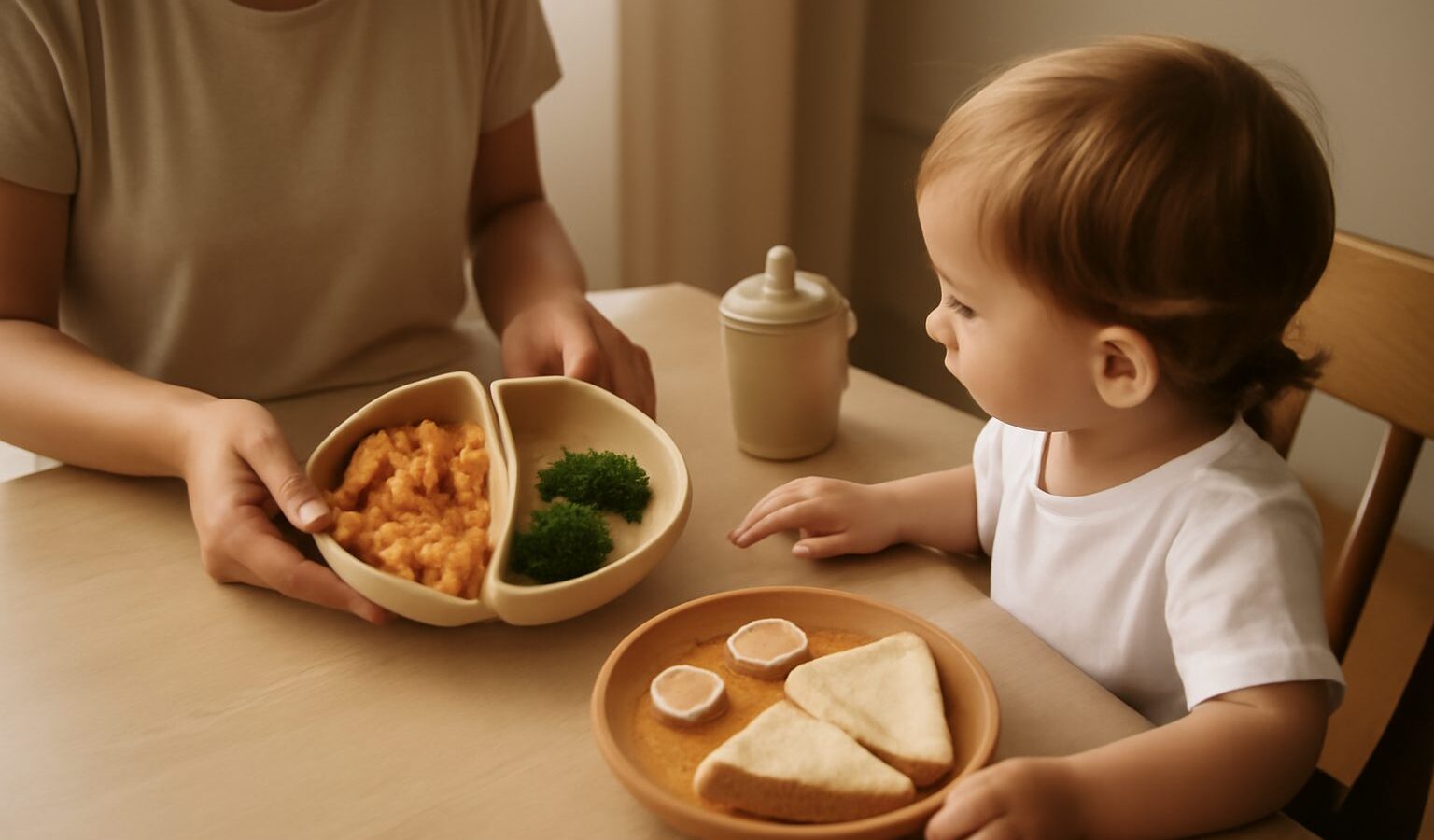
Feeding a small child can feel like a full-time job on top of everything else. One day they happily hoover up their rice, the next they push the same bowl away as if it has personally offended them. If you are hunting for toddler meals singapore families can actually put together on a busy weeknight, the good news is that simple, everyday food is usually best. You do not need fancy recipes or expensive ingredients. You need a handful of reliable ideas, a calm approach, and a clear eye on safety. This guide walks through practical meals, safe snacks, and gentle ways to handle the wobbly days.
Please treat this as general information rather than medical advice. Every child grows at their own pace, and if you have any worry about your toddler’s eating, weight, allergies, or nutrition, speak to your doctor, a paediatrician, or a dietitian at KKH, NUH, or your polyclinic.
Choking Safety Comes First, Every Single Time
Before we talk about what to serve, we have to talk about how to serve it, because young children are still learning to chew and swallow. Whole grapes, whole cherry tomatoes, nuts, popcorn, hard raw carrot or apple chunks, large blobs of sticky nut butter, and firm sausage rounds are all common choking hazards for toddlers. This is not about scaring you off good food. It is about small, simple changes that make that same food safe.
A few habits worth building into every meal and snack:
- Cut round foods like grapes and cherry tomatoes lengthways into quarters, never leave them whole.
- Chop, grate, steam, or mash hard foods such as carrot and apple until they are soft and small.
- Spread nut butter thinly on toast rather than serving it by the spoonful.
- Always have your toddler sit down to eat, seated and calm, never walking, running, lying back, or in a moving car.
- Stay with your child and supervise the whole time they are eating. Do not leave them alone with food, even for a moment.
Learning what to do if a child chokes is genuinely worth your time. Consider a certified paediatric first aid or CPR course through a recognised provider rather than relying on written steps in a panic. In a real emergency in Singapore, call 995 straight away.
Building a Simple, Balanced Toddler Plate
Toddlers have small stomachs and big energy needs, so they eat little and often. A helpful way to picture a meal is to include something from a few groups: a starchy base, some protein, some vegetables or fruit, and a little healthy fat. You do not need to hit every group at every meal. Aim for balance across the day and week instead, and let go of the idea that one refused dinner will undo everything.
Everyday building blocks that work well in our local kitchens:
- Starches: soft rice, porridge, noodles, mee sua, wholemeal bread, chapati, potato, or sweet potato.
- Proteins: soft-cooked egg, steamed fish (check carefully for bones), minced chicken or pork, soft tofu, dhal, or well-mashed beans.
- Vegetables: soft-steamed carrot, broccoli florets, spinach, or bittergourd cooked until tender.
- Fruit: banana, soft mango, papaya, or steamed apple, cut into small, manageable pieces.
- Dairy and fats: full-fat milk or yoghurt, cheese, and a little oil in cooking.
Local one-bowl favourites are your friend here. A gentle chicken and vegetable porridge, soft fish beehoon, steamed egg with rice, or a mild dhal with soft chapati are all easy to batch cook and freeze in small portions. Go easy on salt, sugar, and very spicy or heavily seasoned dishes, since little kidneys and taste buds are still developing.
Snacks That Fill the Gaps, Not Just the Tummy
Snacks are not a treat to feel guilty about. For toddlers they are a real part of daily nutrition, bridging the hours between small meals. The trick is to make snacks count rather than letting them run on biscuits and sweet drinks that spoil the next meal. Offer snacks at roughly predictable times, sitting down, so grazing all day does not blunt their appetite.
Simple, safe snack ideas to rotate through the week:
- Banana cut into small pieces, or soft ripe mango and papaya.
- Plain full-fat yoghurt, on its own or with a little mashed fruit stirred through.
- Wholemeal toast fingers with a thin scrape of nut butter or a little cheese.
- Steamed sweet potato or pumpkin cubes, soft enough to squash easily.
- Soft-cooked pasta pieces or plain steamed edamame popped out of the pod.
- Cubes of soft cheese or a few soft-steamed vegetable sticks.
For drinks, water is the everyday hero, especially in our hot, humid climate where toddlers tire and sweat quickly during outdoor play. Full-fat milk is fine as part of meals and snacks, but try not to let a child fill up on milk or juice right before food.
What to Try When Meals Turn Into a Battle
Fussy phases are a normal, if maddening, part of toddlerhood. A child who ate everything at ten months may suddenly reject anything green at two years. This is developmental, not a sign you have done something wrong. Your job is to offer good food, calmly and consistently; your child’s job is to decide how much of it to eat. The table below sums up a calmer path through common mealtime standoffs.
| Situation | What often makes it worse | What to try instead |
|---|---|---|
| Refuses a new food | Forcing, bribing, or begging | Offer it again another day with a food they like, no pressure |
| Only wants one food | Giving in and serving it every meal | Keep offering variety alongside a small safe option |
| Throws or plays with food | Big reaction and long lectures | Stay neutral, end the meal calmly, try again next time |
| Eats very little at dinner | Panicking and offering biscuits | Trust their appetite over the day, keep to routine |
| Grazes and skips meals | All-day snacking and juice | Set snack and meal times, offer water between |
A few more gentle reminders: keep portions small so a full plate does not overwhelm them, eat together where you can so they copy you, and try to keep mealtimes screen-free and unhurried. Praise the trying, not just the finishing. It can take many, many exposures before a toddler accepts a new food, so patience really is the secret ingredient.
When to Check With a Doctor
Most fussy eating passes with time and a steady routine, but some signs are worth a professional look rather than waiting it out. Speak to your doctor, paediatrician, or a dietitian if your toddler is losing weight or not growing as expected, seems very tired or pale, gags or chokes often on normal textures, refuses whole food groups for weeks, or if you suspect a food allergy or intolerance. Introduce common allergens the way current guidance and your doctor advise, and get medical help urgently for any sudden reaction such as swelling, a widespread rash, or trouble breathing. Trust your instincts. You know your child best, and asking for help early is a strength, not a failure.
Explore More
Mealtimes rarely sit on their own, so it helps to see the bigger picture of toddler life. If refusals are wearing you down, our guide to handling fussy eating in toddlers goes deeper into staying calm at the table. For the days when a hungry, tired child boils over, read managing toddler meltdowns in public, and to give the whole day a steadier shape, see how to build a toddler daily routine that makes meals and snacks easier for everyone.