
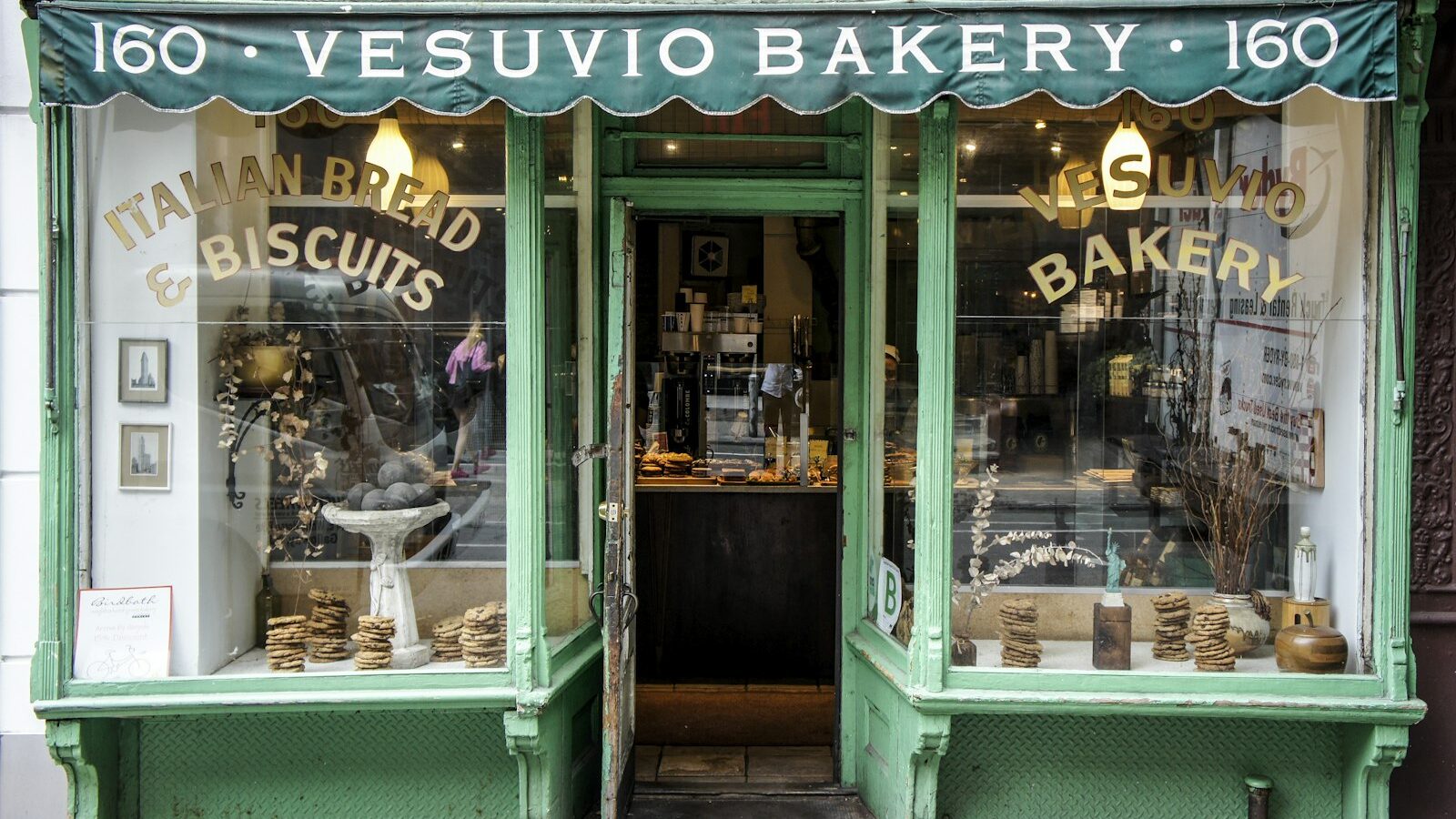
Before the age of artisanal sourdough and French patisseries, Singapore’s neighbourhoods ran on the old-school bakery: the traditional shop selling soft buns, cream-filled pastries and simple cakes at pocket-friendly prices. Nostalgic and comforting, these bakeries and their treats are a cherished part of local food heritage. This guide explores old-school bakeries and local bread.
What old-school bakeries are
Old-school, or traditional, bakeries are the neighbourhood shops that have long served affordable, comforting baked goods to the local community. They are known for soft, fluffy buns, simple cream-filled pastries, and homely cakes, rather than elaborate artisanal creations. Many have operated for decades, their recipes and styles largely unchanged, and they carry a strong sense of nostalgia. Walking into one, with its familiar smells and trays of buns, is a comforting experience that connects to childhood and simpler times for many Singaporeans. These bakeries represent a beloved, unpretentious side of the local food scene.
The classic treats
Old-school bakeries are known for a range of nostalgic favourites.
- Soft buns, filled with everything from red bean and kaya to coconut, custard and savoury fillings.
- Sugar bun or bo lo bun, with a sweet, crackly top.
- Cream horns, flaky pastry filled with cream.
- Traditional cakes, like simple sponge cakes and layered treats.
- Ham chim peng and fried items, in some shops.
These treats are soft, comforting and affordable, the kind of everyday indulgence enjoyed with a coffee or as a snack. Each carries a nostalgic charm that keeps people coming back.
Local bread and the soft loaf
| Item | What it is |
|---|---|
| Soft white loaf | The pillowy local bread, great for toast |
| Filled buns | Soft buns with sweet or savoury centres |
| Sponge cakes | Light, simple cakes |
| Cream pastries | Flaky treats with cream fillings |
Local bread tends towards the soft and fluffy, quite different from crusty artisanal loaves, and it is perfect for making the kaya toast beloved at breakfast. The soft loaf is a staple, and old-school bakeries have long supplied neighbourhoods with this everyday bread alongside their sweeter offerings.
The nostalgia and heritage
Old-school bakeries hold a special place in local hearts because of their nostalgia and heritage. For many, the taste of a particular cream bun or sugar-topped pastry evokes childhood, family outings and a bygone era. As modern bakeries and international chains have proliferated, these traditional shops have become all the more treasured, and long-standing ones are celebrated as heritage institutions. Supporting them helps keep the tradition alive, and their enduring popularity shows that there is deep affection for simple, honest, affordable baked goods made the way they have been for generations. They are comfort food in the truest sense.
Old-school versus modern bakeries
It is worth appreciating how old-school bakeries differ from the modern wave. Where contemporary bakeries and patisseries offer artisanal breads, elaborate pastries and premium prices, old-school bakeries focus on soft, comforting, affordable classics rooted in local taste. Both have their place, and many people enjoy both, but the old-school bakery offers something the modern ones cannot: nostalgia, familiarity and a link to heritage. There is a particular comfort in the simple pleasures of a soft bun from a neighbourhood shop that has been there for decades, unchanged and reassuring.
How to enjoy them
- Try the classics, like a cream horn or a filled soft bun.
- Enjoy them fresh, when the buns are soft and the pastries crisp.
- Pair with kopi or tea, for a comforting snack.
- Seek out heritage shops, the long-standing bakeries with loyal followings.
- Appreciate the simplicity, of honest, affordable baked goods.
Where to find them
Old-school bakeries are found in neighbourhoods and older estates across Singapore, often tucked into HDB blocks, wet market complexes and heartland streets. Some long-standing bakeries have become well-known heritage names, drawing customers from across the island. Exploring older neighbourhoods is a good way to discover these gems, and a bakery with trays of fresh soft buns and a steady local clientele is exactly what to look for. Part of the charm is finding a neighbourhood bakery whose treats become your own nostalgic favourites.
The takeaway
Old-school bakeries and local bread are a cherished, nostalgic corner of Singapore’s food heritage, offering soft filled buns, cream pastries, simple cakes and the pillowy local loaf at affordable prices. Unpretentious and comforting, these traditional shops connect generations to childhood memories and simpler times, and long-standing ones are treasured as heritage institutions. Try the classics fresh, pair them with a kopi, and seek out the heritage bakeries keeping the tradition alive. In a food scene full of modern trends, these humble bakeries remind us of the enduring pleasure of simple, honest, lovingly made baked goods.
Buying and keeping them at their best
Because old-school bakes are made with soft, everyday doughs and simple cream fillings, they are at their finest within hours of coming out of the oven and do not keep the way sturdier artisanal loaves do. A little planning helps you enjoy them at their peak rather than catching them past their prime.
- Go early where you can, as many neighbourhood shops bake in batches through the morning, so the trays are fullest and the buns softest earlier in the day.
- Mind the cream and custard fillings, which are more perishable than plain or red bean buns, so eat cream horns and custard buns the same day and keep them cool if you are carrying them around in the heat.
- Store the soft loaf right, keeping local white bread sealed at room temperature for a day or two, or freezing slices and toasting straight from frozen rather than chilling it, which tends to dry it out.
- Buy only what you will finish, since these bakes have few preservatives and are best fresh, so smaller, more frequent trips beat over-buying.
- Ask what came out latest, as the staff usually know which trays are freshest and will happily point you to them.
If you or someone you are buying for follows particular dietary needs, do not assume, as practices vary from shop to shop. Look for a displayed halal certificate if that matters to you, and ask directly about ingredients such as lard, egg or dairy. For the current, authoritative list of certified premises you can check with MUIS.
Common questions from first-timers
If you have grown up on supermarket loaves and modern cafe pastries, the heartland bakery can feel unfamiliar at first. A few common questions come up often.
- Do I need to order ahead? For everyday buns and bread, no, as you simply pick from the trays with a tray and tongs and pay at the counter. Whole celebration cakes are the exception and are usually ordered in advance.
- Why are some buns cheaper than a cafe pastry? Old-school bakeries trade on simple recipes, high turnover and modest decoration rather than premium imported ingredients, which is exactly what keeps them affordable.
- Are the fillings very sweet? Many are gently sweet rather than rich, which is part of their homely, everyday appeal, though sugar buns and kaya varieties lean sweeter.
- Can I find wholemeal or less-sweet options? Increasingly yes, as some traditional shops now carry wholemeal loaves and reduced-sugar lines alongside the classics, so it is worth asking.
The best approach is simply to go in, take your time over the trays, and let the staff guide you. Part of the pleasure is discovering which soft bun or cream pastry becomes the one you come back for.
Explore more: Kaya toast and the Singapore breakfast · Kopitiam culture and the toast set · Singapore cafe culture guide